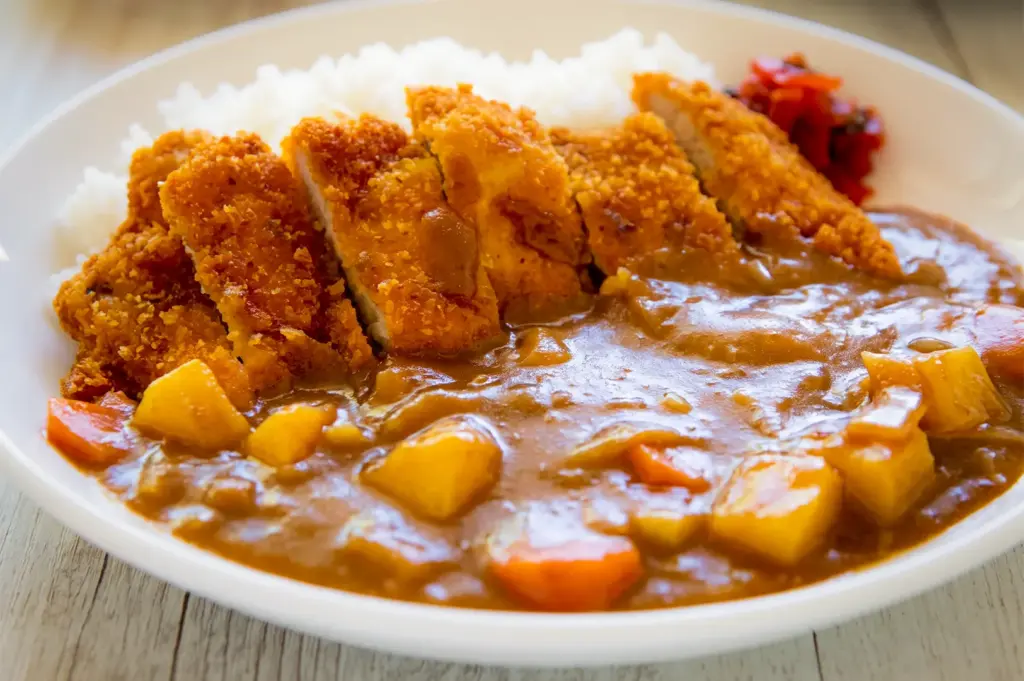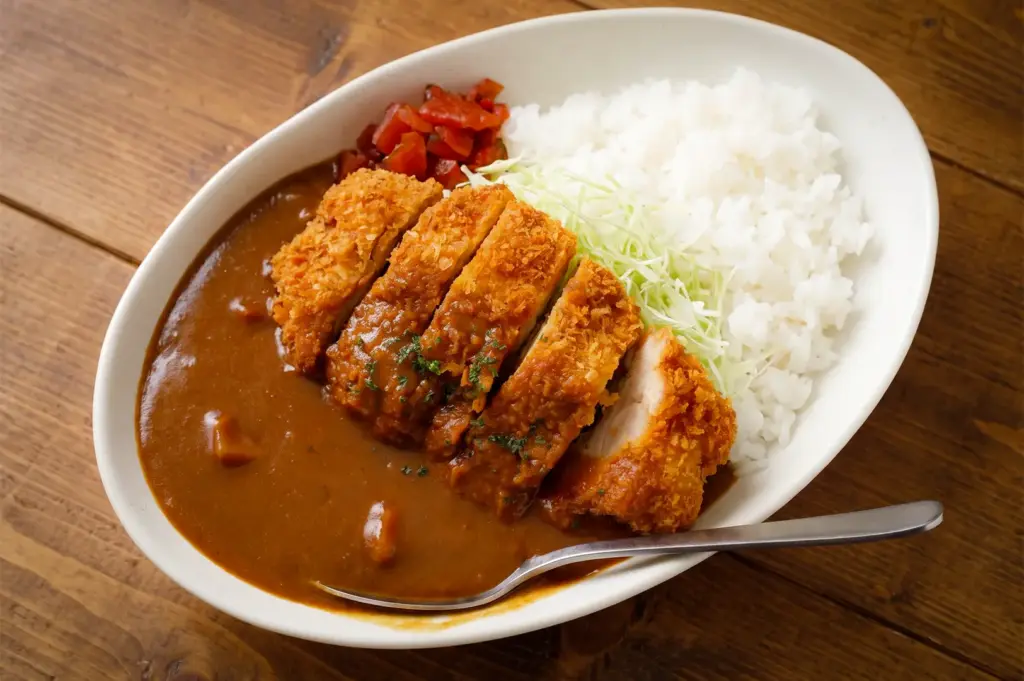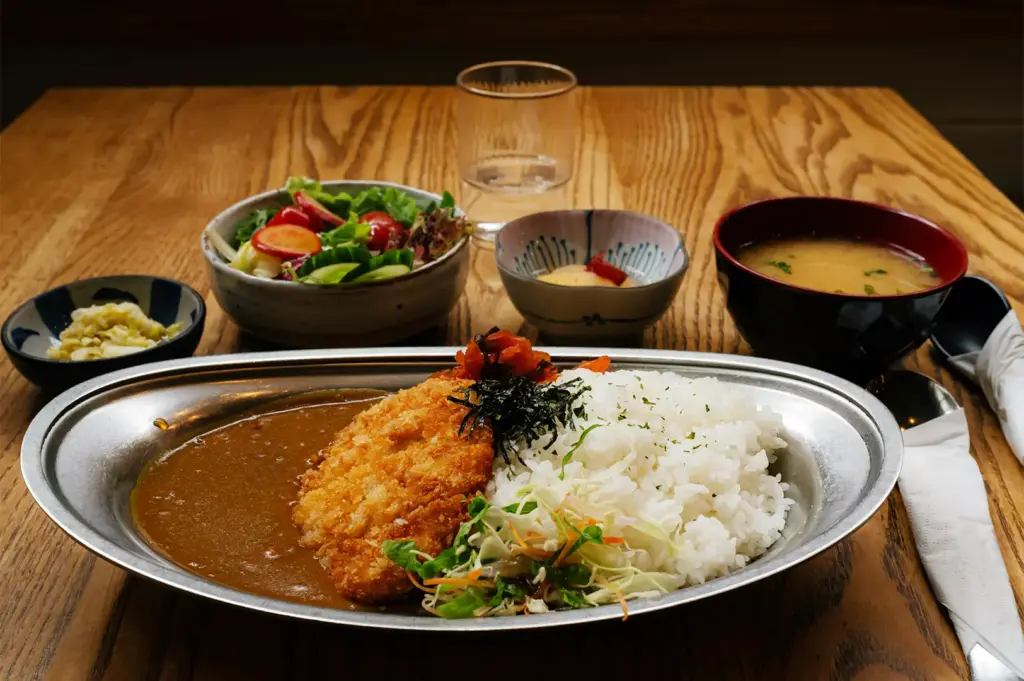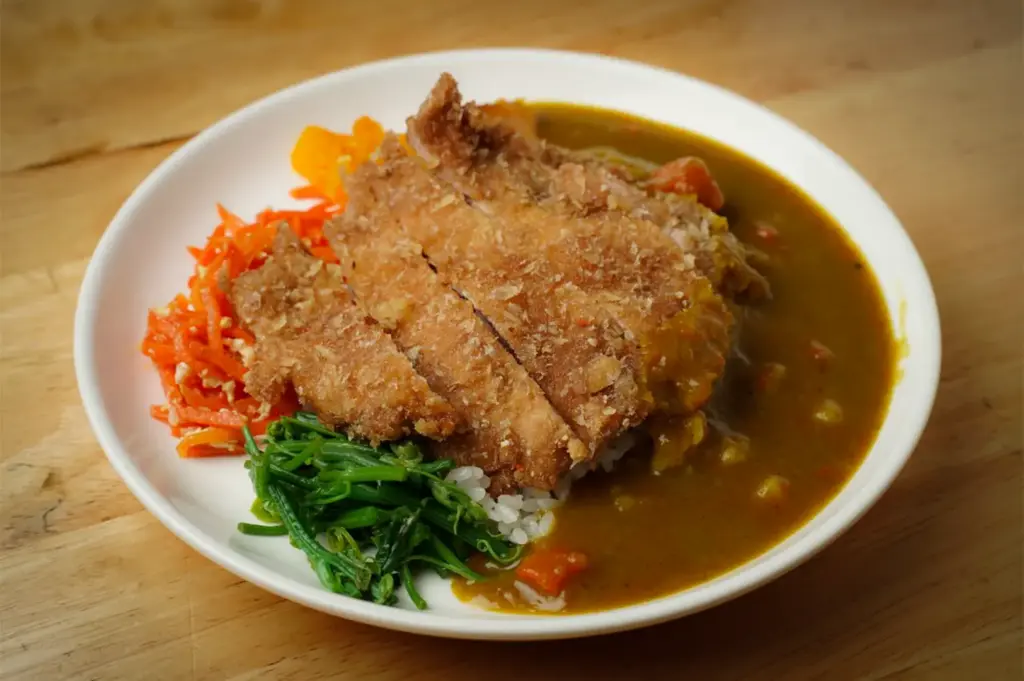
For about a year, I had a weekly habit I wasn’t proud of. Every Friday, I’d stop by CoCo Ichibanya on the way home and spend around S$18 on a plate of curry rice with a chicken cutlet. One day I added up the receipts. That was the push I needed to finally learn a proper Japanese curry recipe at home.
My first attempt went wrong in a very modern way. I tossed everything into my Instant Pot, including the Japanese curry roux, sealed the lid and pressed start. Ten minutes later, the “burn” warning flashed, and the bottom of the pot was coated in scorched, bitter sauce. I scrubbed that pot for half an hour.
Since then, our team has made Japanese curry more times than we can count. We’ve had watery batches, salty ones and a few we were genuinely proud of.
This guide pulls all of that together. You’ll get a reliable Japanese chicken curry recipe, a homemade roux, the secret ingredients that actually make a difference, and the storage habits that matter in Singapore’s heat.
Why This Japanese Curry Recipe Works for Singapore Kitchens
Japanese curry rice is one of the friendliest dishes for a home cook. It doesn’t need special equipment, rare ingredients or advanced skills. If you can chop vegetables and stir a pot, you can make delicious Japanese food on a weeknight.
Here’s what to expect:
- Prep time: about 15 minutes
- Cooking time: 35–45 minutes
- Servings: 4
- Total cost: roughly S$10–16, or about S$2.50–4 per plate
That’s a fraction of what I used to spend on my Friday habit, and the leftovers taste even better the next day.
Japanese Curry vs Thai Curry and Indian Curry: What Changes in the Pot
Many people expect Japanese curry to taste like the curry dishes they grew up with. It doesn’t. That’s not a bad thing.
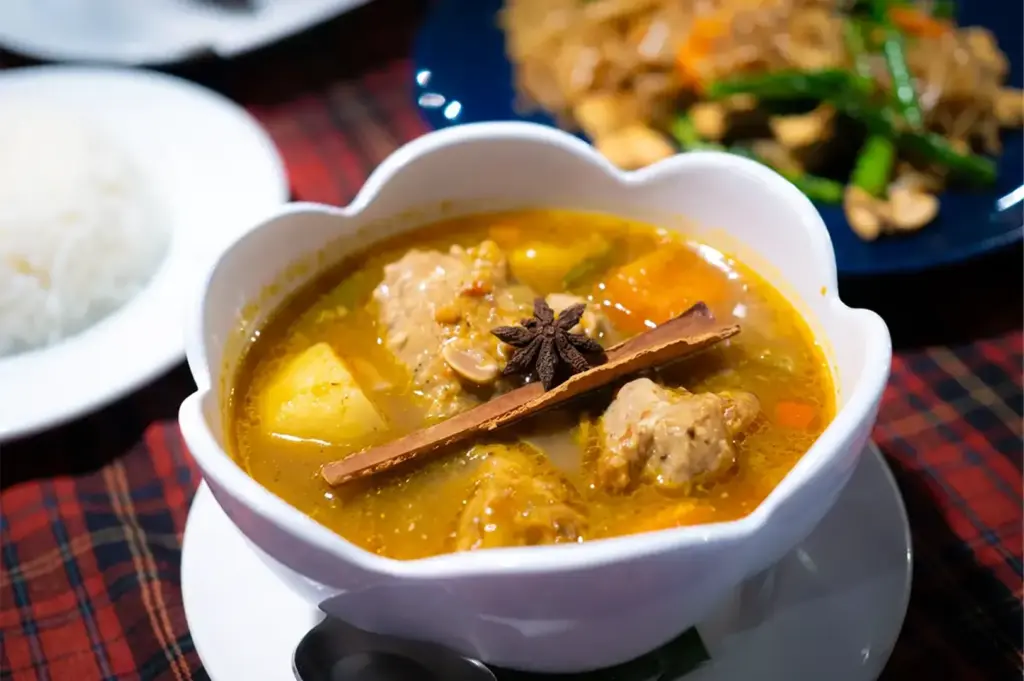
Thai curry gets its body and creaminess from coconut milk and fresh curry paste. It’s often bright, herbal and fairly spicy.
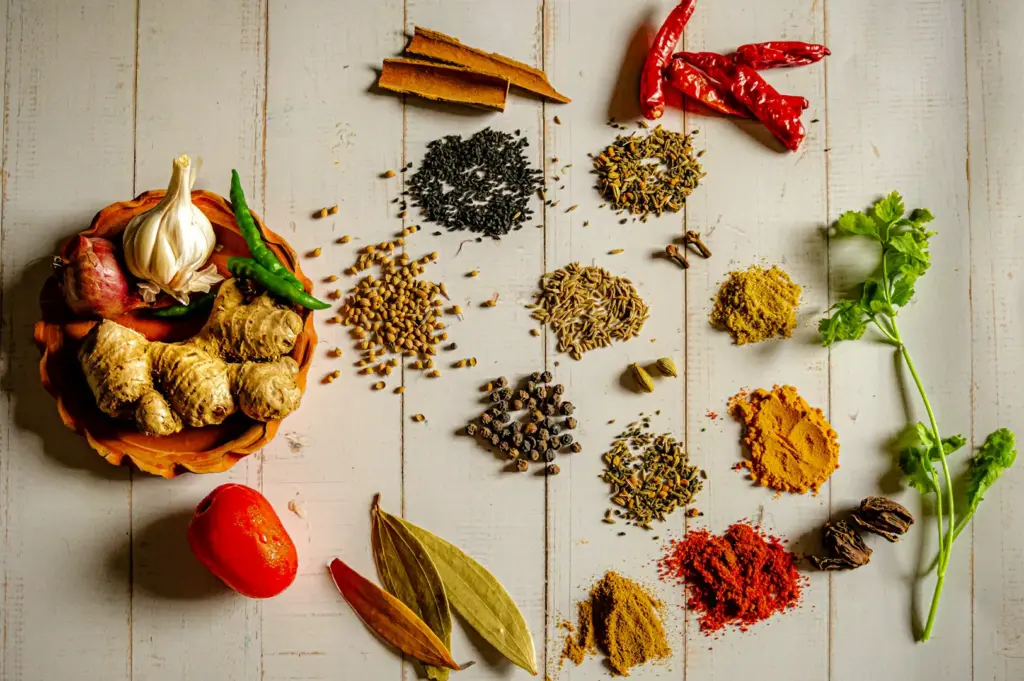
Indian curry varies hugely by region, but many versions build flavor by frying whole or ground spices in oil.
The Japanese curry taste takes a different path. It uses a flour-based roux, which makes the curry sauce thick and glossy, almost like gravy. The Japanese taste leans savory and gently sweet, with warmth rather than fire. Even a hot curry from a Japanese box is mild compared to most local curries.
I think of Japanese curry as comfort food first. If you love Japanese curry at restaurants, you’ll recognize that same cozy, rounded flavor at home.
Picking Your Roux: Golden Curry, Vermont Curry or Java Curry
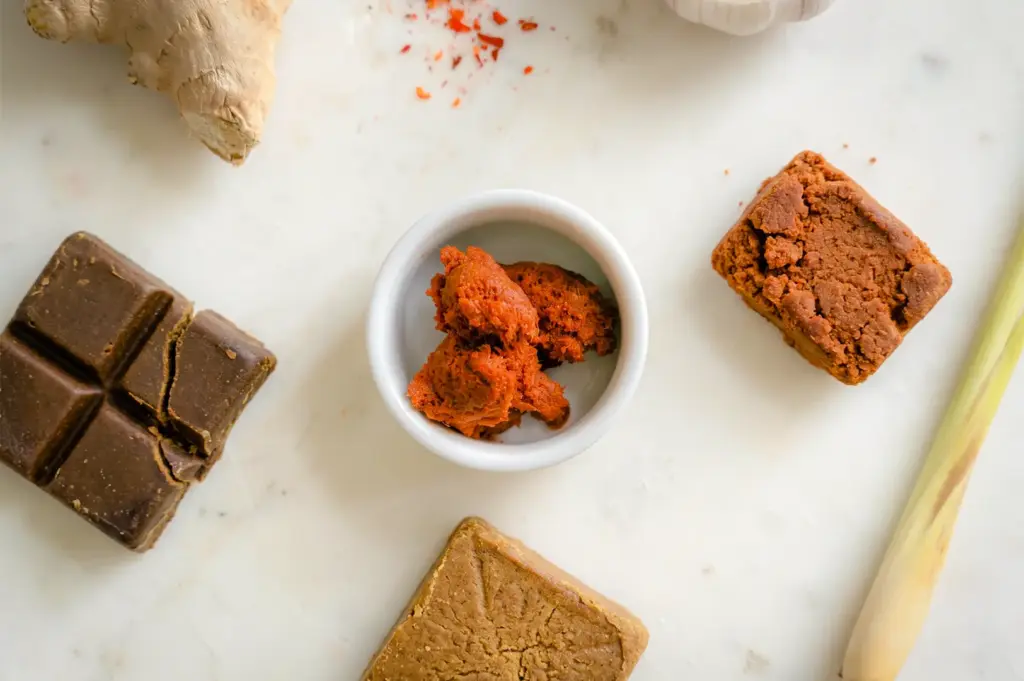
For your first few pots, I’d strongly suggest store Japanese curry roux. Each block already contains the spices, salt and seasonings. That removes most of the guesswork.
The three brands you’ll see most in Singapore:
- S&B Golden Curry: Savory, aromatic and balanced. It comes in mild, medium hot, hot and extra hot. This is what I buy most often.
- House Foods Vermont Curry: Made with apple and honey. It’s lovely for kids, but it can taste too sweet if you add sweet extras.
- House Foods Java Curry: Bolder, darker and spicier. It’s my pick for beef.
At FairPrice, S&B Golden Curry (220 g) is listed at S$5.50 in each spice level, Vermont Curry Mild (230 g) at S$5.45, and S&B Japanese Style Curry Sauce Mix (210 g) at S$2.96. Prices shift with promotions, so check your local outlet. One box usually covers two pots.
Insider knowledge: Blending two roux brands is common in Japanese homes. I like two-thirds Golden Curry with one-third Vermont Curry for chicken. It’s savory, with just enough sweetness to round it out.
How to Make Chicken Curry the Japanese Way, Step by Step
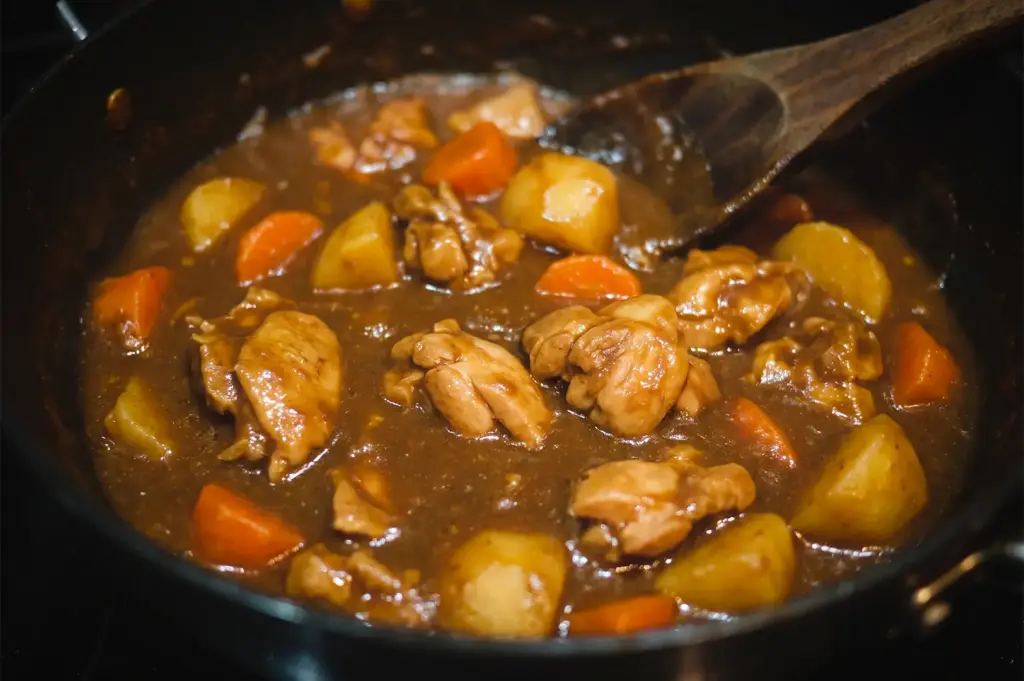
Step 1: Prep everything first (15 minutes). Cut the chicken into bite sized pieces. Peel the carrots and Yukon gold potatoes, then chop them into similar-sized chunks. Slice the onion thinly. Having everything ready stops you from panicking mid-cook.
Step 2: Soften the onion (5–8 minutes). Heat the oil in a large pot over medium heat. Cook the onion until it’s soft and lightly golden.
Step 3: Brown the chicken (3–5 minutes). Turn up to medium high heat. Add the chicken and cook, stirring occasionally, until the outside looks opaque.
Step 4: Add the potatoes carrots (2 minutes). Stir so they get coated in oil and onion.
Step 5: Pour in the cooking liquid. Use chicken broth or the exact amount of water listed on your roux box. Bring it to a boil and skim off any foam.
Step 6: Simmer (15–20 minutes). Drop to low heat. You’re done when a fork slides easily through the potatoes and the chicken reaches 74°C inside.
Step 7: Turn off the heat, then add the curry cubes. Break them into pieces and stir until they melt completely.
Step 8: Let the curry thicken (5–10 minutes). Return the pot to low heat. Stir often. The sauce will turn glossy and coat the back of a spoon.
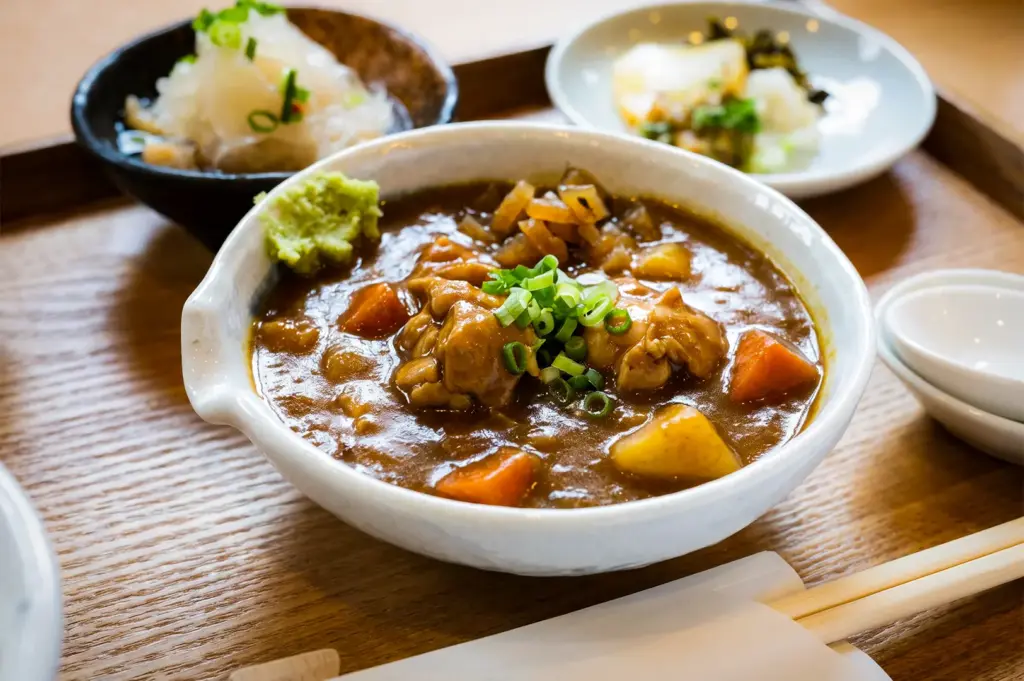
Step 9: Taste, adjust and serve. Add a little soy sauce, Worcestershire sauce or grated apple if you like. Spoon the delicious Japanese curry over hot cooked Japanese curry rice.
Pro tip: Cook your rice separately in a rice cooker while the curry simmers. I once tried cooking both in one pot to save washing up. The rice turned gummy, and the curry never thickened properly.
Homemade Curry Roux for When You Want Full Control
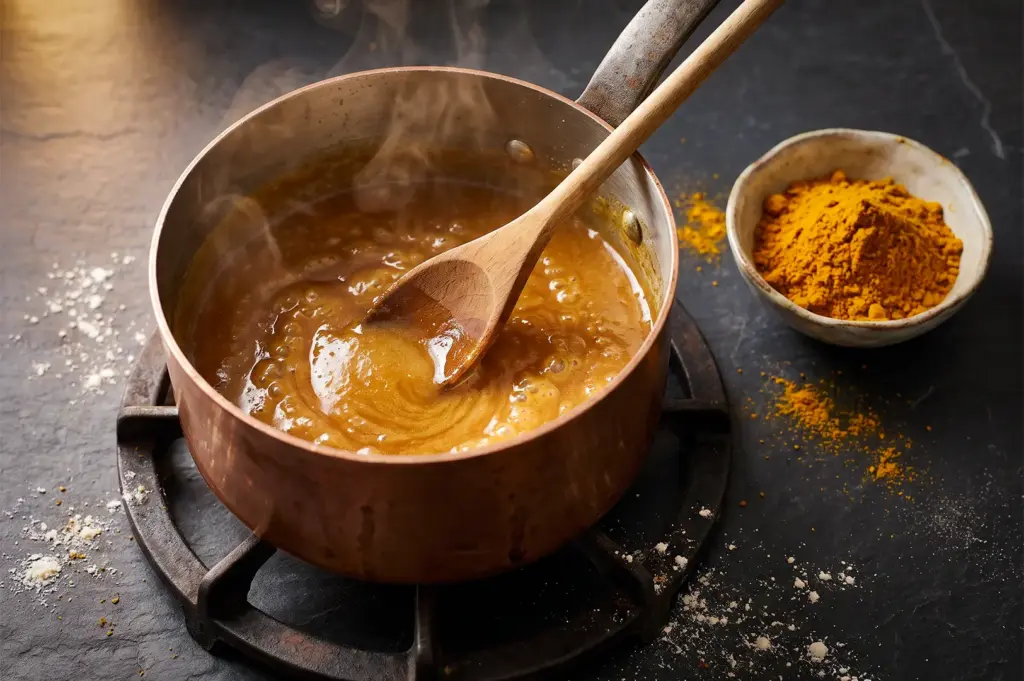
A homemade roux lets you manage the salt and fat. It’s also your best route to a gluten free or fully vegan curry.
Homemade curry roux recipe:
- 2 tbsp butter or vegetable oil
- 3 tbsp all-purpose flour (or a gluten free flour blend)
- 1½–2 tbsp Japanese curry roux powder
- A small pinch of cayenne pepper (optional)
- Melt the butter or heat the oil in a small pan over low heat.
- Stir in the flour. Keep stirring for 5–10 minutes until it smells nutty and turns golden brown.
- Add the Japanese curry roux powder and cayenne. Stir for about 30 seconds. Don’t let the spices burn.
- Whisk the homemade roux into your simmering liquid a little at a time.
Here’s the honest part. Homemade roux thickens well, but it tastes flat compared to store-bought curry cubes. My first homemade curry tasted like spiced flour paste. Now I always use chicken broth instead of water, then add salt and a splash of soy sauce until it tastes right.
Secret Ingredients Worth Trying
Every Japanese family seems to have its own secret ingredients. These are the ones our team actually uses, with starting amounts for 4 servings.
Caramelized Onions: Worth the Extra 20 Minutes
Cook your onions for 20–30 minutes instead of 8, until they turn deep amber. In my experience, caramelized onions are the single biggest upgrade to any Japanese curry recipe. Just stop before they darken too much. Burnt onions make the whole pot bitter.
Soy Sauce and Worcestershire Sauce
One teaspoon of soy sauce adds savory umami. One teaspoon of Worcestershire sauce brings tang and depth. Together, they push store Japanese curry closer to restaurant flavor. Since the roux is already salty, add them only after tasting.
Grated Apple, Dark Chocolate and Instant Coffee
- Grated apple (1 tbsp): Gentle sweetness and a hint of acidity. Pear works too.
- Grated ginger (½–1 tsp): Warmth and aroma.
- Dark chocolate (5–10 g): Richness and a slight bitterness.
- Instant coffee (¼ tsp): Roasted depth.
- Tomato paste (1 tsp): Acidity and extra umami.
Pro tip: Test one secret ingredient per pot. I once added soy sauce, Worcestershire sauce, chocolate, coffee and apple all at the same time. The curry tasted muddy, and I couldn’t figure out the culprit.
Japanese Recipes to Try Once You’ve Nailed the Basics
Beef Curry With Java Curry
Simmer 400 g of stewing beef cubes in chicken broth for 1½–2½ hours until tender. Then add the vegetables, and add the roux last. It’s essentially a Japanese-style beef stew. Java Curry stands up well to beef, so save this for a slow weekend.
Vegan Japanese Curry
Use mushrooms, firm tofu, pumpkin and sweet potatoes with vegetable broth. In the warmer months, I turn this into a summer vegetable curry with eggplant and zucchini. The catch: many roux blocks contain milk or animal extracts. Use a verified vegan roux or the homemade version made with oil.
Katsu Curry With Chicken, Pork or Tofu
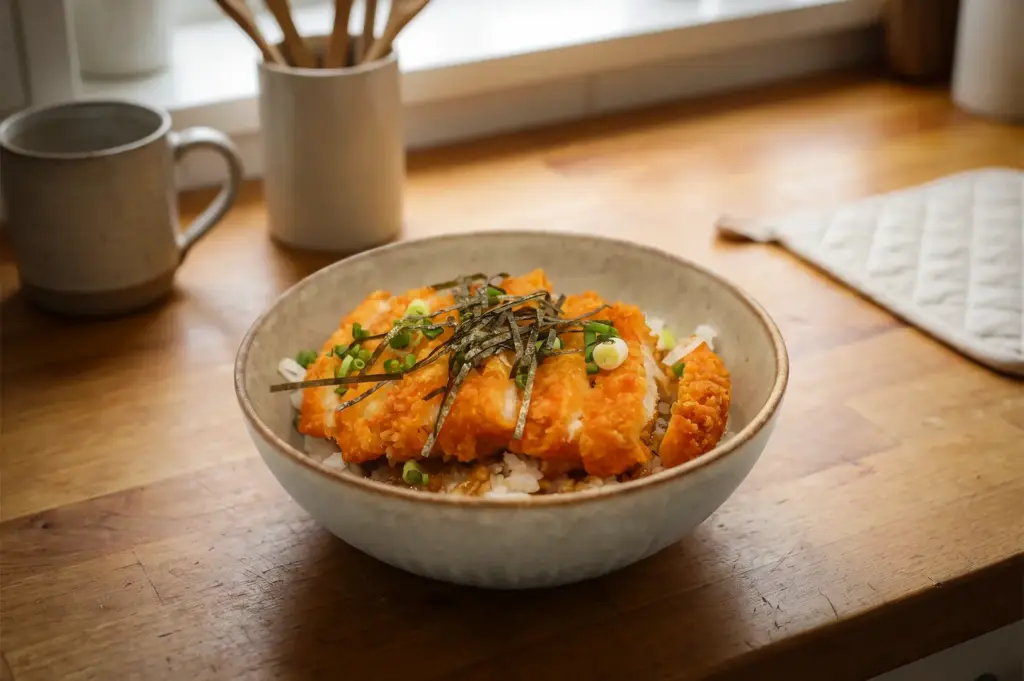
Make the curry first, then fry a breaded cutlet right before serving so it stays crisp. Tofu katsu is a great meat-free option. Some people add tonkatsu sauce on the side. Personally, I think the curry is enough.
Instant Pot Japanese Curry
Learn from my scorched pot. Sauté the onions and chicken, add the vegetables and liquid, then pressure-cook. I use about 5 minutes on high for chicken thigh chunks, but follow your manual. Release the pressure before adding the roux. Then switch to sauté mode and stir until it thickens.
How to Store Homemade Curry in Singapore’s Heat
Our warm, humid climate makes safe storage extra important.
- Cool it fast: Split the curry into shallow containers so the curry cools quickly. Never leave it on the stove overnight.
- Refrigerate: Store at 4°C or below and eat within 2–3 days.
- Freeze: Frozen curry keeps good quality for about 2–3 months. Potatoes turn grainy after thawing, so I remove or mash them before freezing.
- Reheat once: Heat to at least 75°C for two minutes. Chilled curry thickens a lot, so add a splash of water.
- Rice: Refrigerate cooked rice promptly and keep it separate from the curry.
Final Thoughts
A good Japanese curry recipe doesn’t demand perfection. It rewards patience and a little tasting along the way. Your first pot might come out thin, salty or slightly lumpy.
Ours did, more than once. By the third or fourth try, you’ll know exactly how thick you like it and which secret ingredient feels like yours.
Start simple with a box of Golden Curry and chicken thigh. Once you’re comfortable, explore caramelized onions, Java Curry beef or a vegan version. For more inspiration, browse our best Japanese curry guides, from restaurant picks to regional styles.
Grab a box of roux this weekend and give it a go. Your Friday curry habit might just move home, too.
Thank you so much for reading, and happy cooking!