The first time I ordered soup curry, I made a rookie move. The bowl arrived with a separate plate of rice, so I did what any Singaporean raised on curry rice would do. I tipped the whole plate of rice straight into the bowl and stirred.
Within five minutes, I had a bowl of soggy, swollen rice porridge. The vegetables on top were beautiful: a whole fried eggplant, a wedge of pumpkin, a bright green okra pod. But they were sinking into something closer to curry congee than anything a Sapporo chef would recognize.
The friend who brought me there, who had lived in Hokkaido for two years, just laughed and handed me a spoon. “You’re supposed to dip,” she said.
That lunch started a long fascination for our team. Soup curry looks familiar, but it’s really its own dish, with its own logic and its own way of eating. This guide covers what it is, how it differs from regular Japanese curry, what goes into the bowl, how to order and eat it, and what to expect when you try it in Singapore.
What Is Japanese Soup Curry?
Soup curry is a thin, spice-forward curry broth served with large, whole pieces of vegetables and meat, plus rice on the side. It comes from Sapporo, in Hokkaido, Japan’s northernmost main island.
The dish’s roots go back to the early 1970s. A Sapporo café called Ajanta served a medicinal-style spiced soup that many locals see as the ancestor of the dish. In the 1990s, a restaurant called Magic Spice popularized the name “soup curry.” By the early 2000s, it had become a full-blown Sapporo food boom, and today the city has hundreds of soup curry shops.
I like to think of it as Hokkaido’s answer to a cold climate. The broth warms you up, the spices wake you up, and the vegetables, many grown on Hokkaido farms, make it feel hearty without being heavy.
Soup Curry vs Regular Japanese Curry: The Key Differencesd
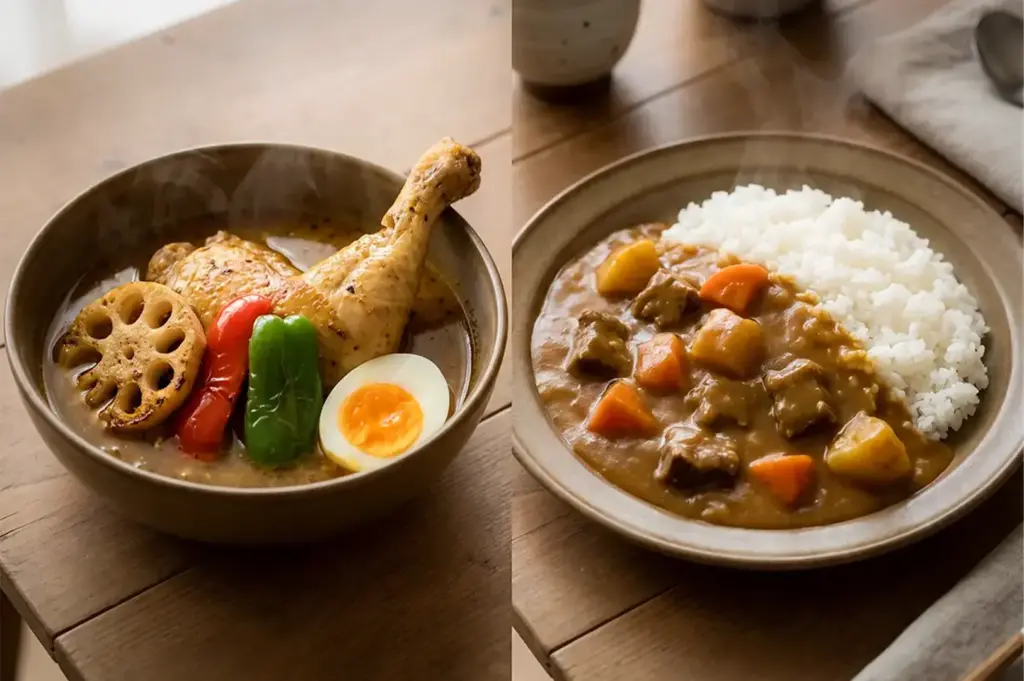
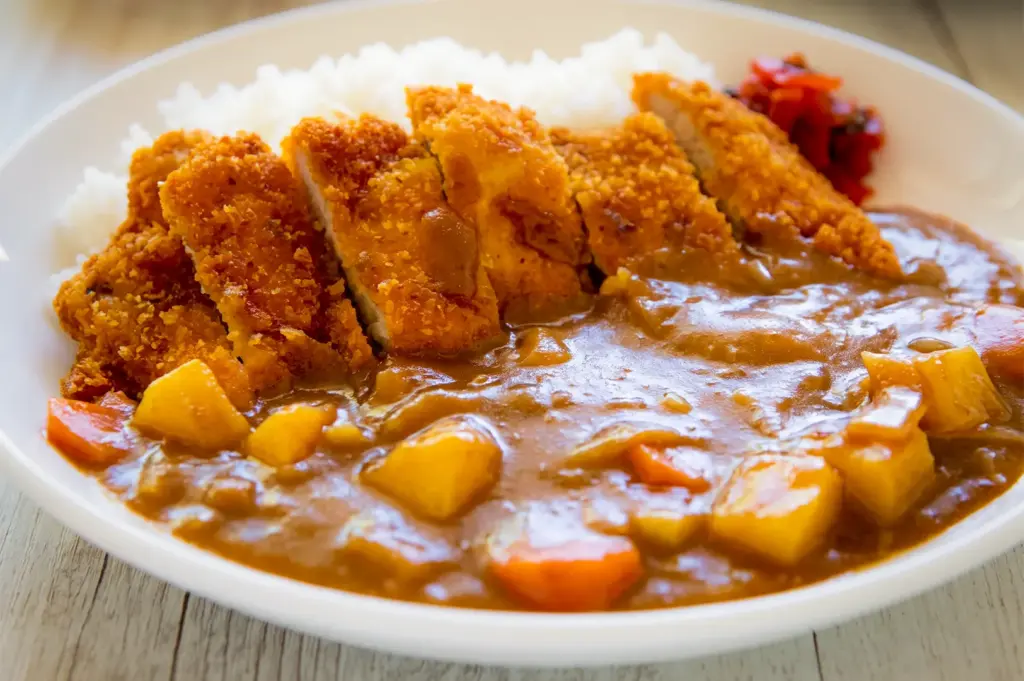
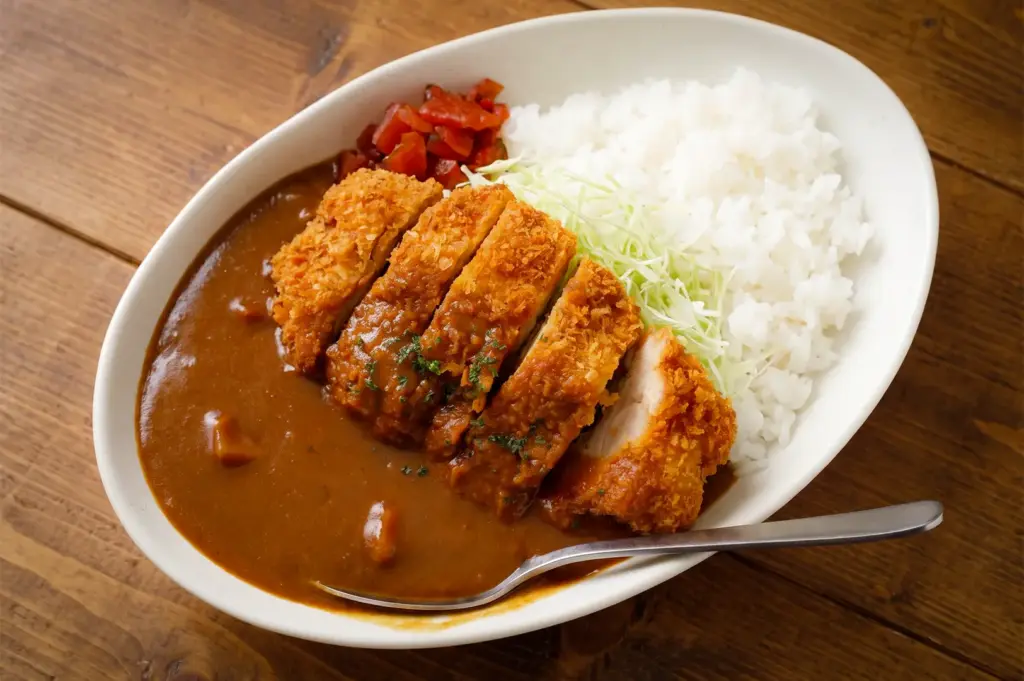
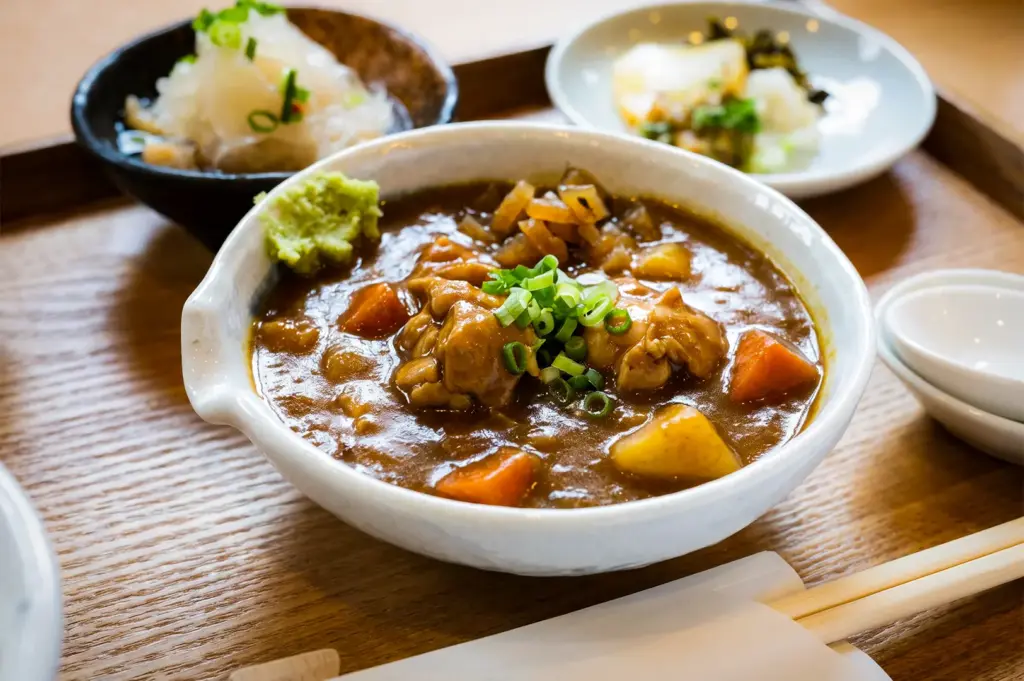
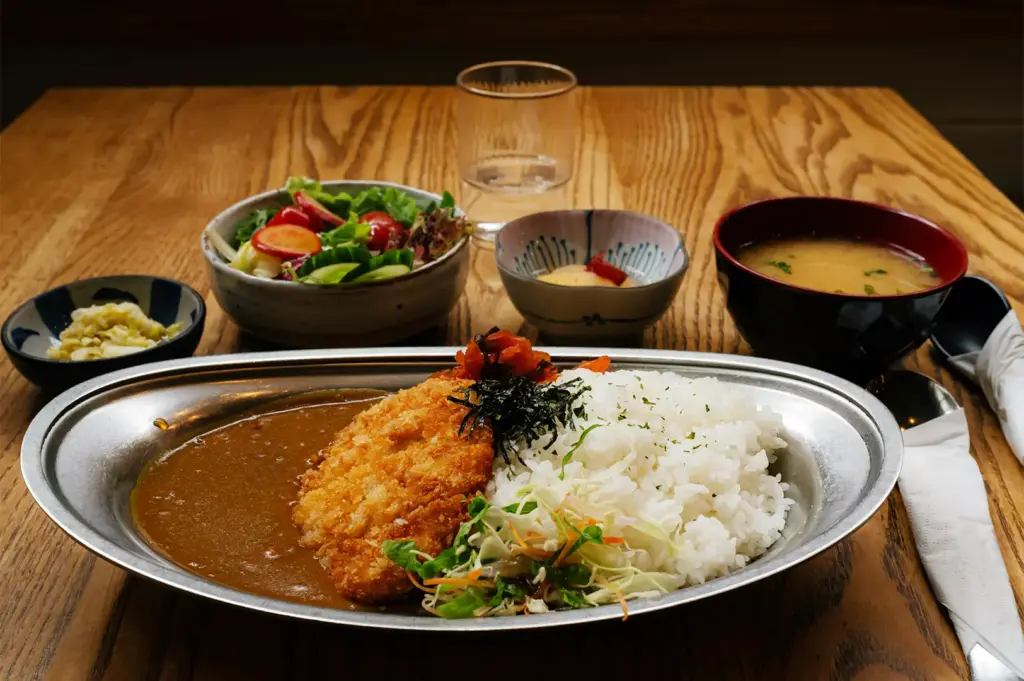
If you’ve only had the thick, glossy curry rice from places like CoCo Ichibanya, soup curry will surprise you. Here’s how they compare:
| Regular Japanese curry | Soup curry | |
|---|---|---|
| Texture | Thick, like gravy | Thin, like a broth |
| Base | Flour-based roux | Stock plus a spice blend |
| Flavor | Savory, mildly sweet | Aromatic, spice-forward, lighter |
| Toppings | Small, bite-sized pieces cooked into the sauce | Large, whole pieces placed on top |
| Rice | Served on the same plate | Served on a separate plate |
| Spice | Usually mild to medium | Often customizable, from mild to very hot |
The biggest difference, in my opinion, is the absence of roux. Regular Japanese curry gets its body from flour cooked in fat. Soup curry skips that almost entirely. Its flavor comes from a long-simmered stock and a heavy hand with spices.
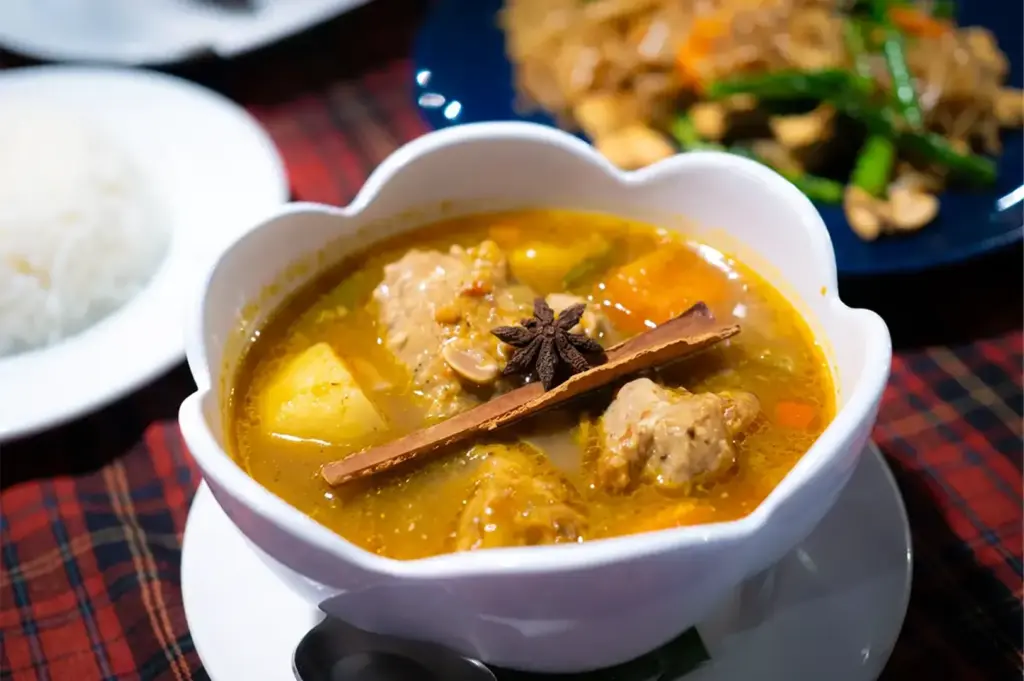
That makes it taste closer to some South Asian or Southeast Asian broths than to katsu curry. Many Singaporeans tell me it reminds them of a lighter, more herbal soto ayam or a spiced rasam. I think that comparison is fair, though soup curry has a distinct Japanese savoriness from the stock.
Curious about the thicker curry that inspired the comparison? Read our guide to what Japanese curry is to explore its ingredients, flavor and popular styles.
What Goes Into Soup Curry: The Core Ingredients
The Broth
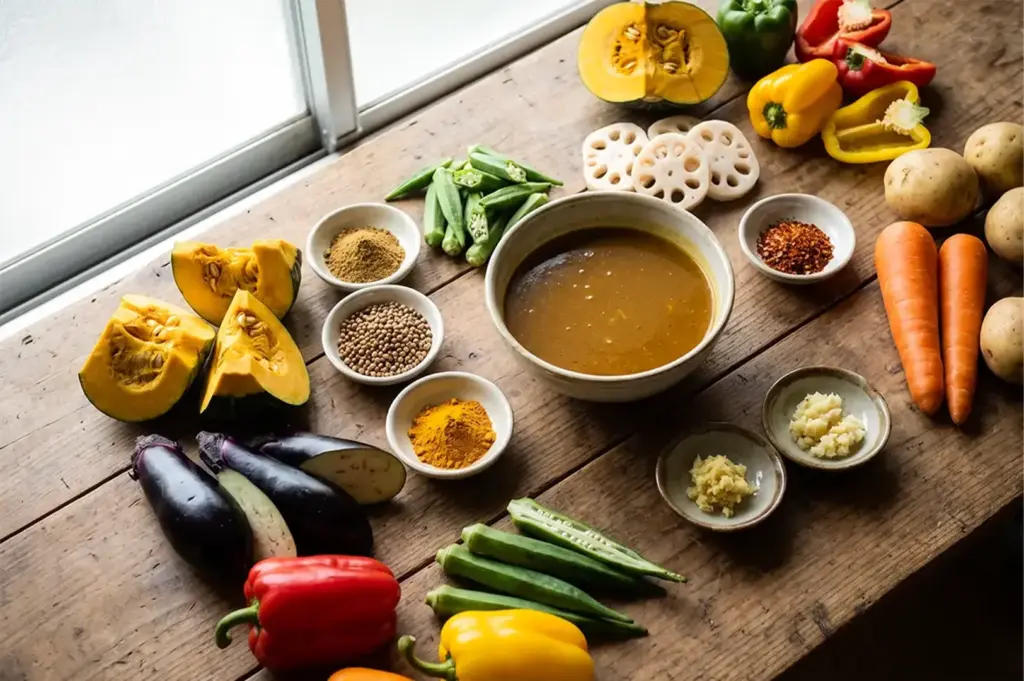
The broth is the soul of the dish. Most shops use one of these bases:
- Chicken or pork bone stock: The most common. It’s clean, savory and lightly rich.
- Seafood or dashi-based stock: Lighter, with more umami from fish, shrimp or kombu.
- Tomato-based stock: Slightly tangy and fruity.
- Coconut-based stock: Creamier and gentler. It’s a newer style at some shops.
Many Sapporo restaurants let you choose your broth. Some simmer their stock for 10 hours or more.
The Spices
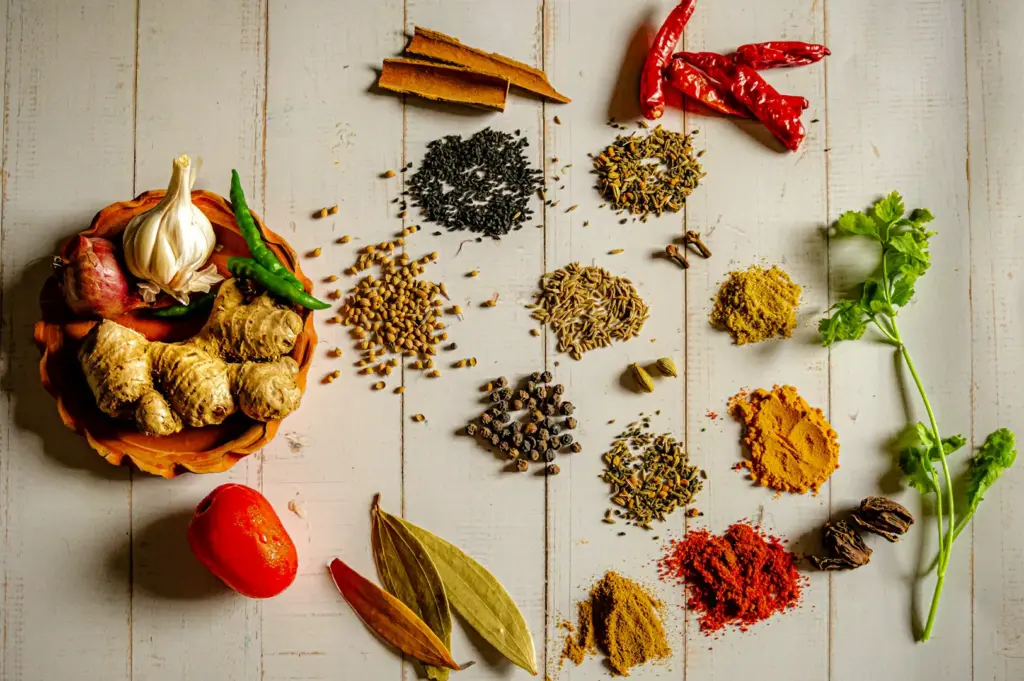
Expect a blend that often includes turmeric, cumin, coriander, cardamom, cloves, black pepper, cinnamon and chili. The exact mix is usually a closely guarded house secret. Garlic and ginger are almost always in the background.
The Vegetables
This is where soup curry really shines. Vegetables are typically fried, roasted or grilled separately, then placed on top in big pieces. Common picks include:
- Kabocha (Japanese pumpkin)
- Eggplant, often fried whole or in halves
- Okra
- Lotus root
- Bell peppers
- Potatoes and carrots in large chunks
- Broccoli
- Baby corn
A typical vegetable bowl might carry 10 to 20 different vegetables. It’s one of the most colorful dishes you’ll ever be served.
The Protein
The signature topping is a whole chicken leg on the bone, braised until it falls apart with a spoon. Other popular choices include pork belly (kakuni-style), lamb, seafood, hamburger steak and tofu. A soft-boiled egg is a common add-on.
Insider knowledge: The chicken leg is often braised in the broth first, then grilled or seared to crisp the skin right before serving. If yours comes out with slightly charred skin, that’s intentional. It adds a smoky note to the soup.
How Soup Curry Is Served and How to Eat It
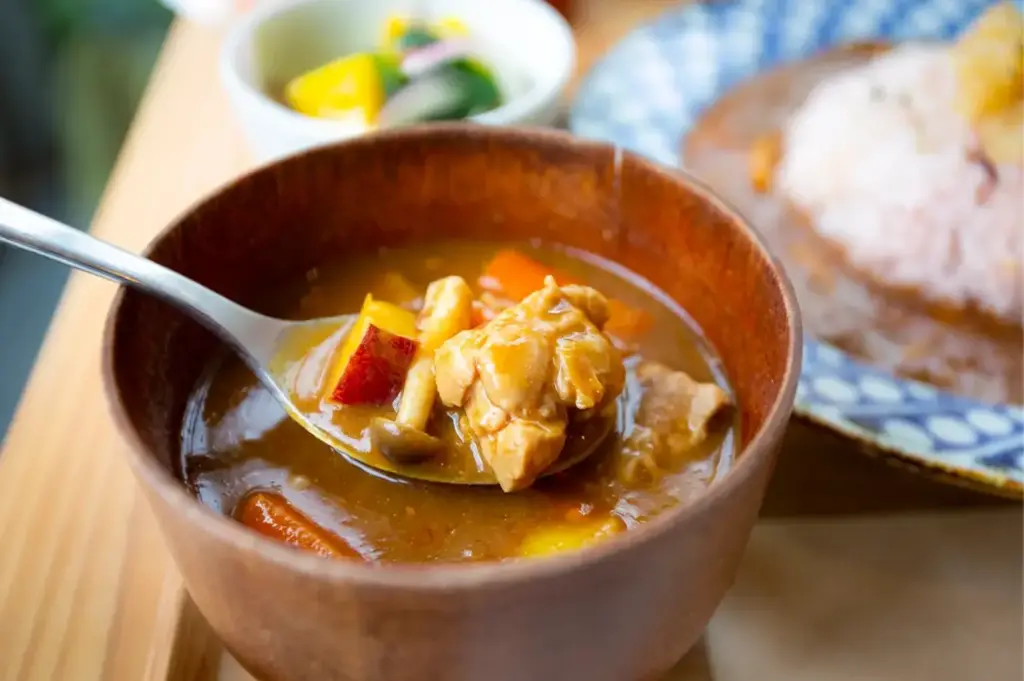
Your bowl will usually arrive with three things: the soup, a separate plate of rice and a spoon. Some shops add a lemon wedge on the rice plate, and some serve turmeric-tinted yellow rice.
Here’s how to eat it the way Sapporo locals do:
- Taste the broth first. Take a spoonful on its own so you understand the base flavor before you add anything.
- Scoop some rice onto your spoon. Just a spoonful at a time.
- Dip the rice into the soup. Let it soak for a second, then eat. Alternatively, spoon a little soup over a small section of rice on the plate.
- Squeeze lemon over the rice if provided. It brightens everything.
- Break the vegetables and chicken with your spoon. The chicken should pull away from the bone easily.
- Pace your rice. You want a little left for the last bit of broth.
The key is keeping the rice and soup mostly separate until the moment you eat. That way, the rice stays fluffy and the broth stays clear.
Pro tip: Use a fork in your other hand to steady the chicken leg while you pull meat off with the spoon. Chopsticks will slip on the bone. I learned that after sending a drumstick skidding across the table.
Understanding Soup Curry Spice Levels
Most soup curry restaurants let you choose your heat, often on a scale from 0 or 1 up to 10, sometimes much higher. Levels also differ a lot between shops, so a “5” at one place might feel like a “3” somewhere else.
In my experience, here’s a rough guide for Singaporean palates:
- Levels 0–2: Aromatic but barely spicy. Great for kids or the spice-shy.
- Levels 3–5: A pleasant, building warmth. I think this is the sweet spot for most local diners.
- Levels 6–8: Properly spicy. Your forehead may start to glow.
- Levels 9 and up: Intense. The spice starts drowning the broth’s flavor.
I prefer level 4 at most shops. It’s lively enough to feel exciting, but I can still taste the stock.
One honest warning: soup curry heat behaves differently from thick curry heat. Because the broth is thin, the chili hits your tongue fast instead of building slowly. A level that feels fine on the first spoonful may feel much hotter halfway through.
Common Mistakes to Avoid
- Dumping all the rice into the soup. I did this on day one. The rice turns mushy and the broth turns cloudy. Dip a spoonful at a time.
- Ordering too high on the spice scale. Thin broth delivers heat fast. Start around level 3 and move up on your next visit.
- Wearing white. Turmeric stains are stubborn. I ruined a favorite white shirt with one enthusiastic splash. Wear something dark, or use the paper napkin many shops provide.
- Ignoring the vegetables until the end. Fried vegetables are best while they’re still slightly crisp. Eat some early.
- Expecting thick curry. If you go in craving katsu curry, you might feel disappointed. Treat soup curry as its own dish.
- Boiling the vegetables at home. They turn limp and bland. Fry or roast them separately.
Final Thoughts
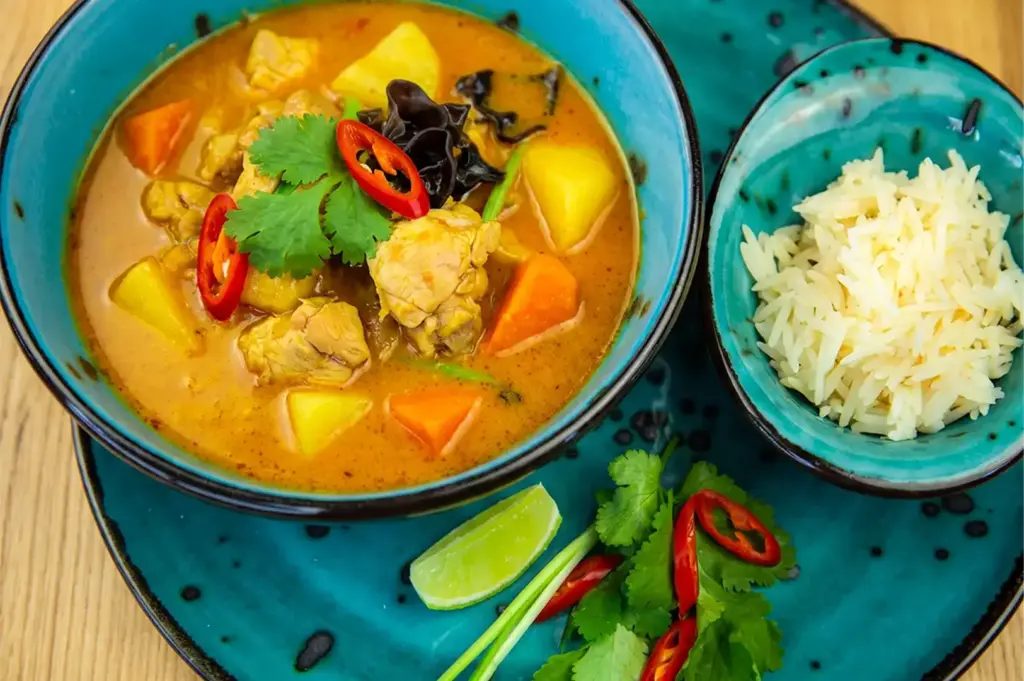
Soup curry rewards a little curiosity. It looks like regular Japanese curry’s lighter cousin, but once you taste a slow-simmered broth with a dozen roasted vegetables floating on top, you’ll see why Sapporo fell in love with it.
My advice is simple. Order a mid-level spice, keep your rice separate, eat your vegetables while they’re crisp, and leave the white shirt at home. Your first bowl might feel unfamiliar. By your second, you’ll probably have a favorite broth and a spice number you swear by.
Frequently Asked Questions (FAQ)
Is soup curry healthier than regular Japanese curry?
It’s often lighter, since there’s no heavy roux and it carries plenty of vegetables. The fried toppings add oil, though, so it isn’t automatically low-fat.
Is soup curry spicy?
It can be, but most shops let you choose. Low levels are aromatic rather than hot.
Is soup curry halal?
Not automatically. Broths often use pork or chicken stock, so ask the restaurant directly or look for halal certification.
Can vegetarians eat soup curry?
Vegetable bowls are common, but the broth is usually meat-based. Ask whether a vegetable or kombu stock is available.
How filling is it?
Very. Between the vegetables, the chicken leg and the rice, one bowl is a full meal for most people.