The first katsu curry I ever made at home looked great for about ninety seconds. The cutlet came out of the pan golden and crackly. Then I proudly poured a big ladle of hot curry sauce right over the top.
By the time I sat down, the breadcrumbs had gone soft and soggy, and half the coating had slid off into the rice.
It still tasted fine. But it wasn’t the crunchy, saucy contrast I’d fallen in love with at restaurants.
That little disaster taught me that katsu curry is really two dishes working together, and you have to respect both. Since then, our team has eaten more plates around Singapore than we’d like to admit and cooked plenty at home, too. This katsu curry guide covers what it is, what goes into it, how to make it step by step, and the variations worth trying.
What Is Katsu Curry?
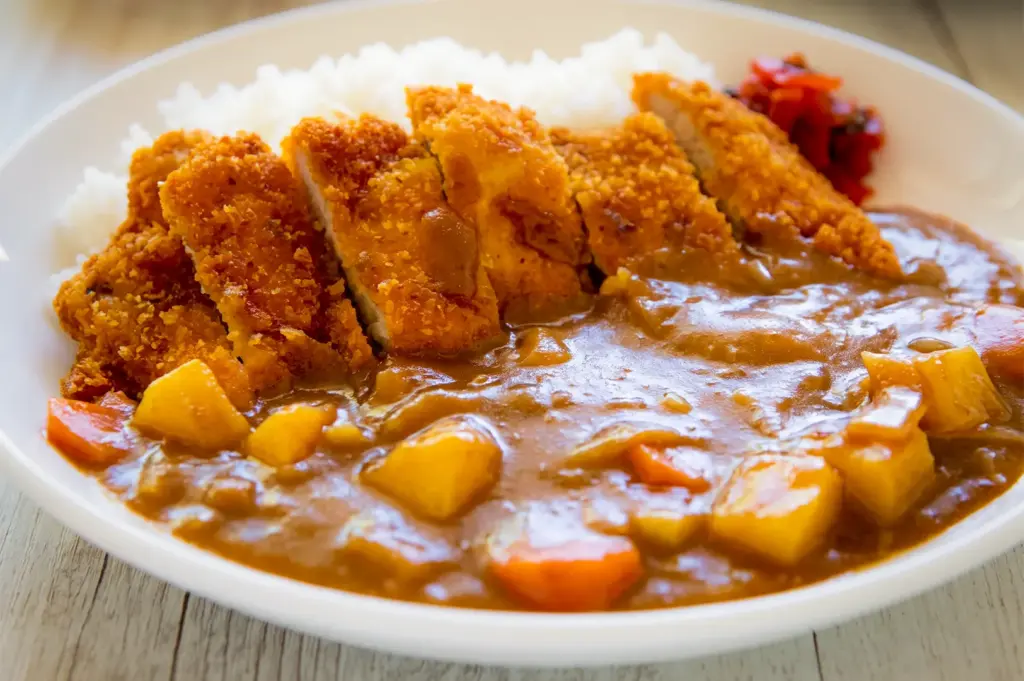
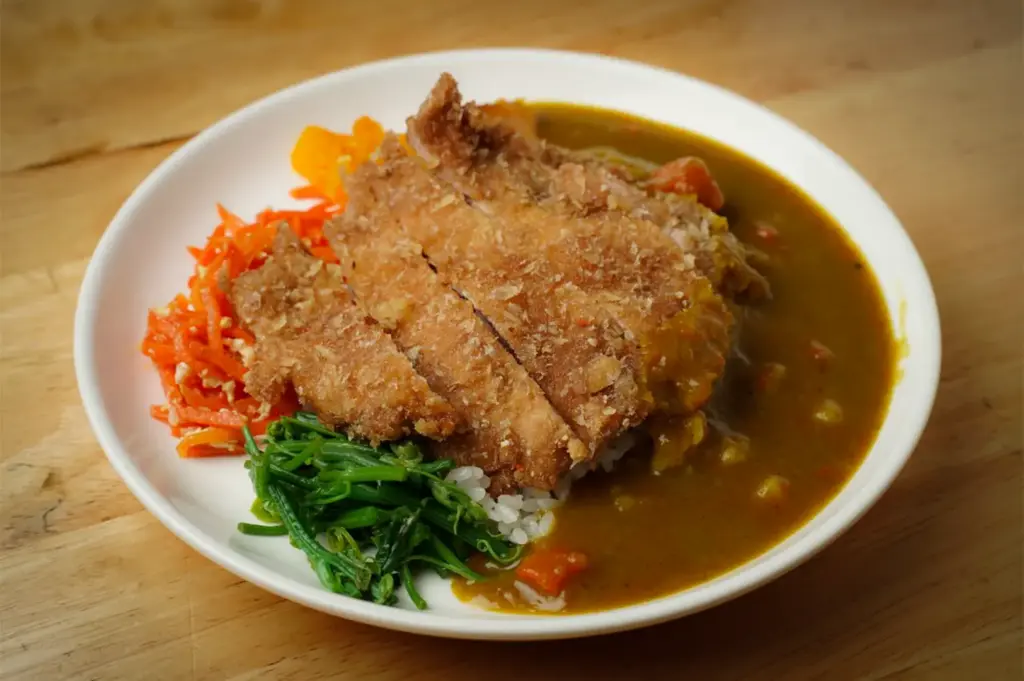
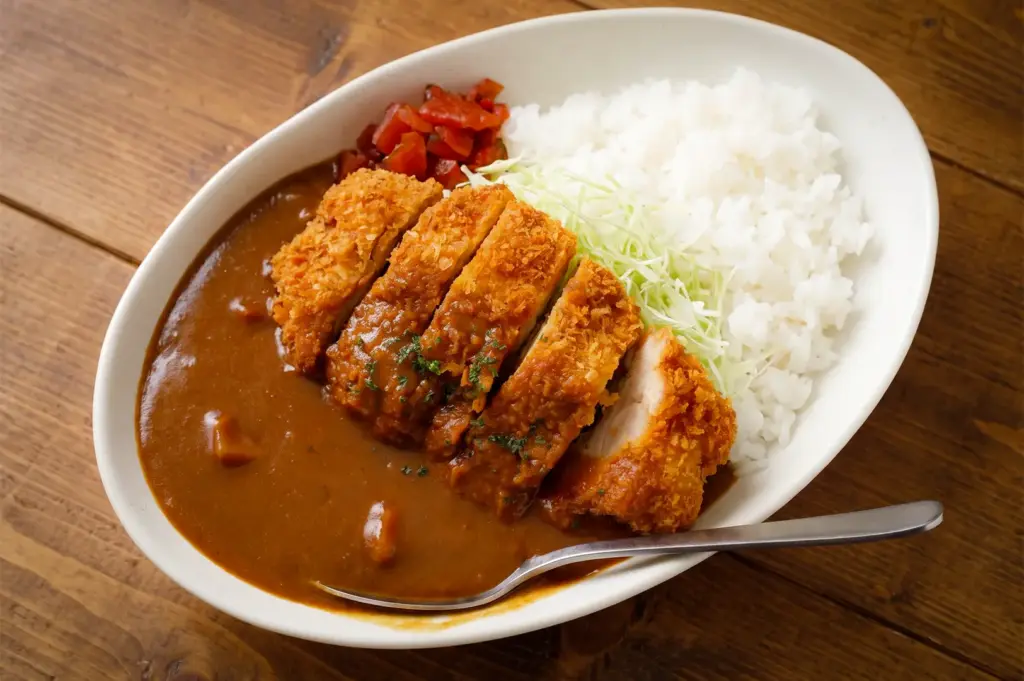
Katsu curry is a Japanese dish of a crispy, breaded cutlet served with Japanese curry sauce and cooked rice. “Katsu” is short for katsuretsu, the Japanese take on the Western cutlet. Combine it with kare raisu (curry rice), and you get one of Japan’s most popular comfort meals.
The classic version uses a pork cutlet, called tonkatsu. In Singapore, though, chicken katsu curry is just as common, partly because many diners prefer chicken and many restaurants serve it as a halal-friendly option.
A typical plate includes:
- A deep-fried cutlet coated in flour, beaten egg and panko breadcrumbs (breaded chicken)
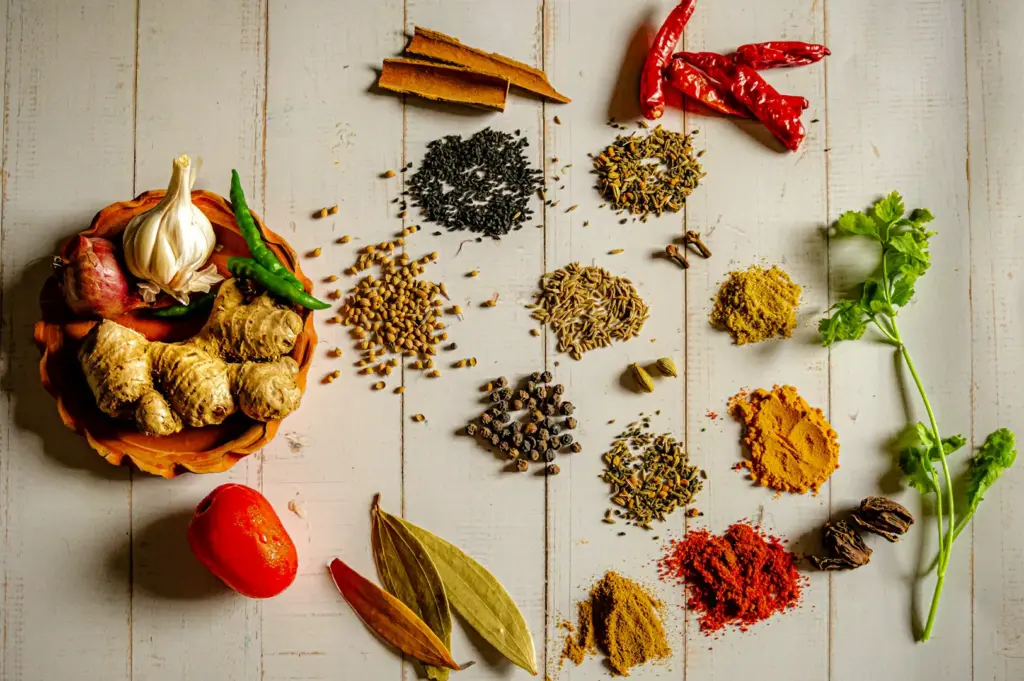
- Thick, mildly spiced Japanese curry sauce made with mild curry powder and sometimes garam masala
- Short-grain rice
- Optional sides like shredded cabbage or fukujinzuke (sweet red pickles)
It’s filling, savory and hard to stop eating. Kids love it, too, which is why it shows up so often at family dinners.
What Does Katsu Curry Taste Like?
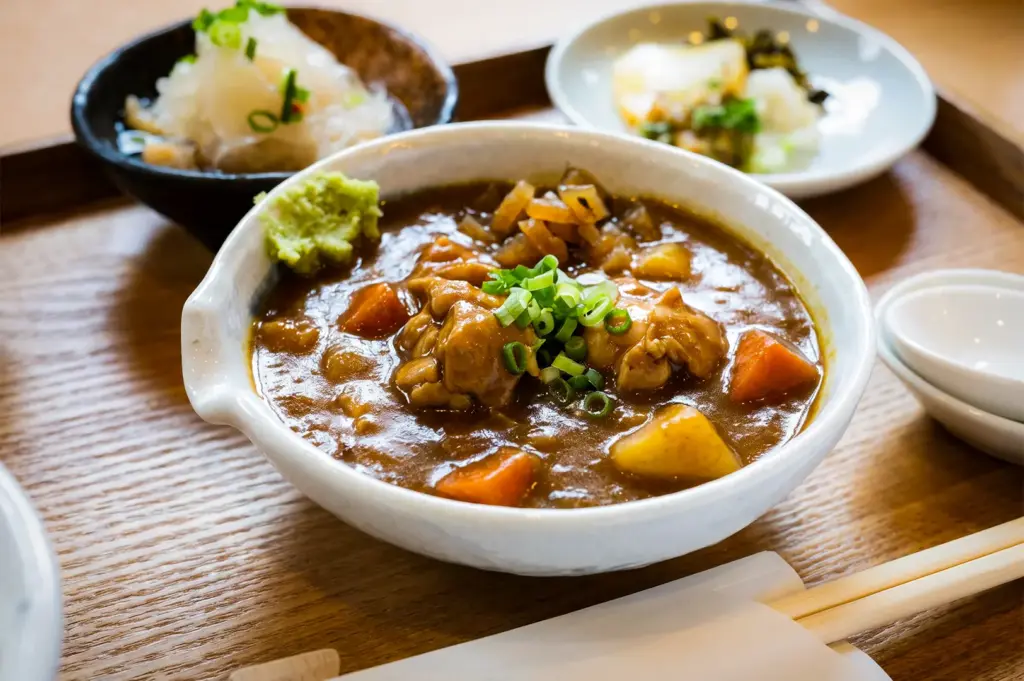
The katsu curry taste comes down to contrast. You get a crunchy, juicy cutlet against a smooth, glossy sauce. The curry itself is savory and slightly sweet, with warm spices rather than sharp heat. It’s closer to a rich gravy than to the soupy curries most of us grew up with.
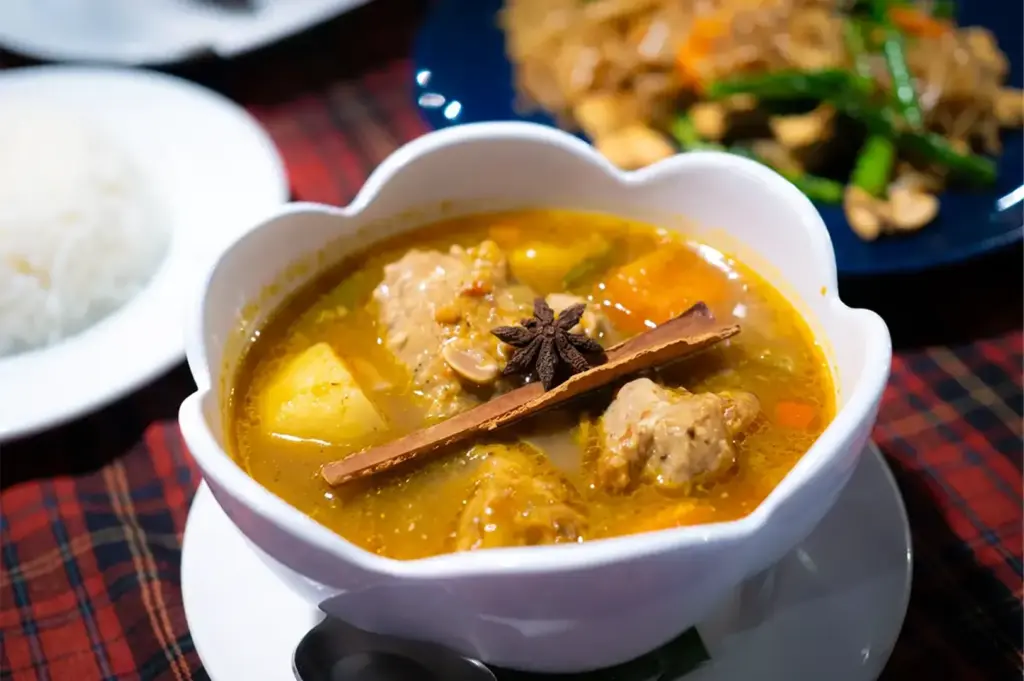
If you’ve only had the UK-style “katsu curry” from supermarket packets or fast-casual chains, you might notice a difference. Those versions often use coconut milk, turmeric and sometimes a touch of maple syrup or honey.
They’re tasty, but they’re not quite the Japanese version. Authentic Japanese curry is thicker, darker and more savory, and it rarely includes coconut.
Katsu Sauce vs Katsu Curry Sauce: Clearing Up the Confusion
This trips up a lot of people, me included. When I first heard someone order “katsu sauce” at a Japanese restaurant, I assumed they meant curry. They didn’t.
- Katsu sauce (tonkatsu sauce) is a thick, dark, tangy-sweet sauce, a bit like a fruity Worcestershire. It’s served with plain tonkatsu, no curry involved.
- Katsu curry sauce is the Japanese curry served with your cutlet and rice. You can make your own katsu curry sauce by combining curry powder, chicken stock, and other seasonings.
Some people drizzle a little katsu sauce on the cutlet and then add curry. Personally, I think the curry does enough on its own.
The Ingredients You’ll Need
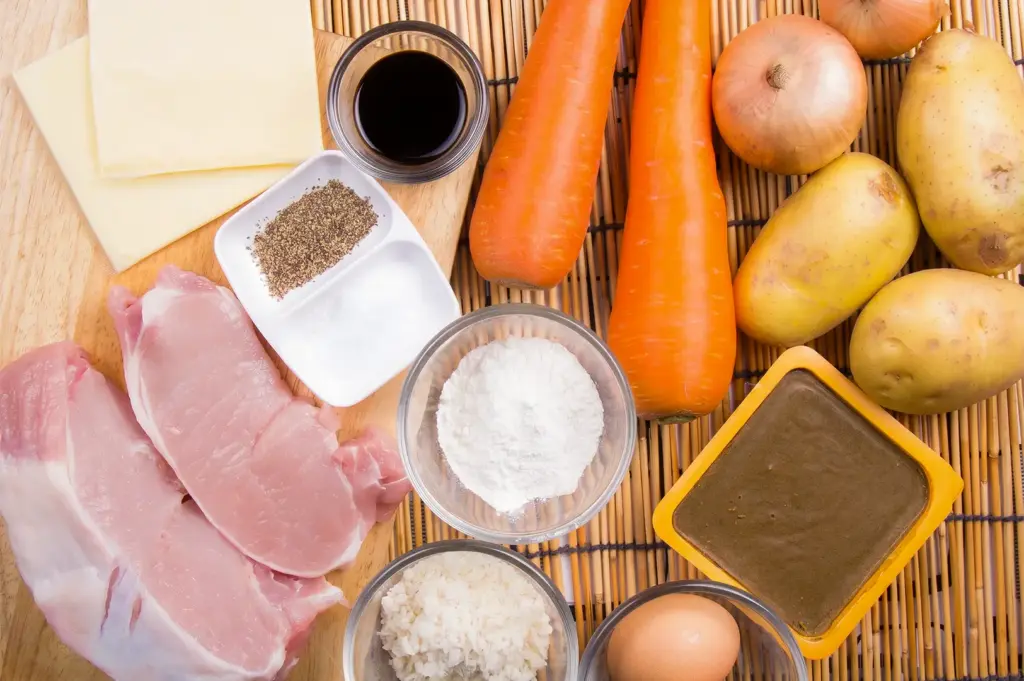
Here’s what goes into a homemade katsu curry for four people.
For the cutlets:
- 4 boneless chicken thighs or pork loin cutlets (about 500–600 g) — chicken cutlets are popular for a delicious, juicy alternative
- 50 g plain flour (all-purpose flour)
- 2 beaten eggs
- 100 g panko breadcrumbs
- Salt and pepper
- Vegetable oil for frying (about 500 ml for shallow frying)
For the curry sauce:
- 1 large onion, 2 carrots and 1 potato
- 1 tbsp vegetable oil
- Half a box of Japanese curry roux (about 4 servings) or a mix of mild curry powder and garam masala
- Water, chicken stock or vegetable stock, according to the packet instructions
- 1 tsp soy sauce (optional)
- 1 clove grated garlic and 1 tsp grated ginger (optional)
To serve: 4 portions of cooked rice.
Expect to spend about S$15–22 at FairPrice or Sheng Siong for the whole lot. That’s roughly S$4–5.50 per plate, compared with S$14–22 at most restaurants.
Insider knowledge: I prefer chicken thigh over breast for chicken katsu. It stays juicy even if you fry it a minute too long. Breast works, but pound it to an even 1 cm thickness first, or the thin edges will dry out before the center cooks.
How to Make Katsu Curry Step by Step
This katsu curry recipe takes about 1 hour from start to finish. Start the curry first, so the cutlet goes straight from pan to plate.
Step 1: Start the curry (40 minutes). Heat oil in a pot over medium heat. Cook the sliced onions for 8 minutes until soft and golden. Add garlic and ginger, then carrots and potato cut into bite-sized pieces. Pour in water or stock, bring to a boil, then simmer on low heat for 15–20 minutes until tender.
Step 2: Add the roux. Turn off the heat. Break in the curry roux and stir until it melts completely. Return to low heat and simmer for 5–10 minutes, stirring, until thick. Keep it warm on the lowest setting.
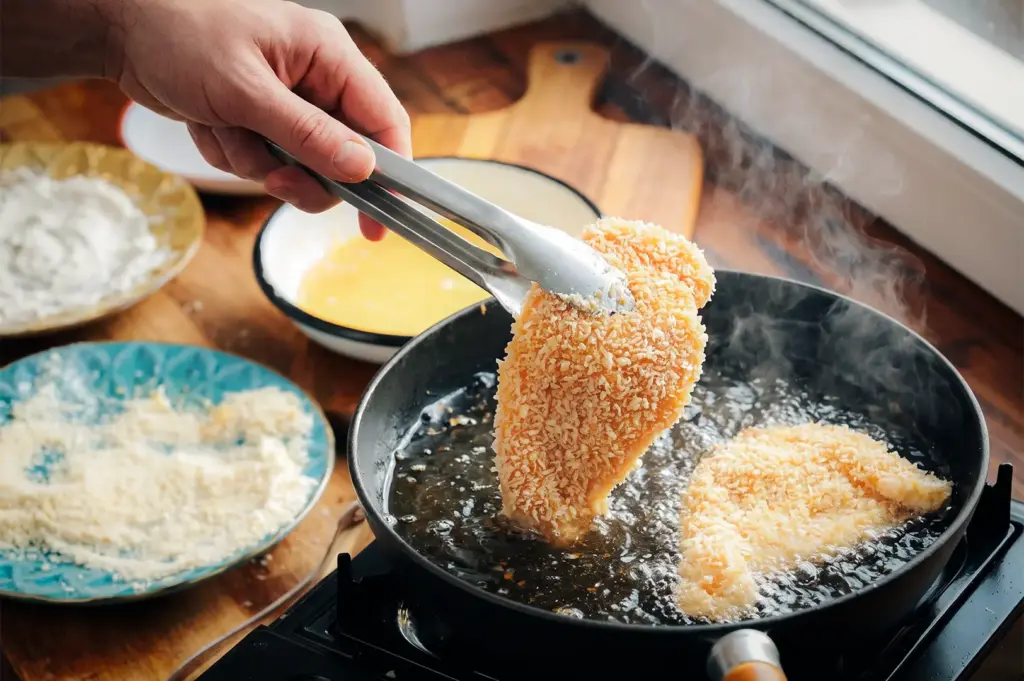
Step 3: Prep the cutlets (10 minutes). Season the meat with salt and pepper. Set up three plates: flour, beaten egg and breadcrumbs.
Step 4: Bread the chicken. Dip each piece in flour and shake off the excess. Then dip it in egg, then press it firmly into the breadcrumbs on both sides.
Step 5: Fry (8–10 minutes). Heat about 2 cm of oil in a deep pan over medium high heat to around 170°C. Fry each cutlet for 3-4 minutes per side until deep golden. Chicken should reach 74°C inside.
Step 6: Rest and slice. Drain on a wire rack for 2 minutes, then slice into strips.
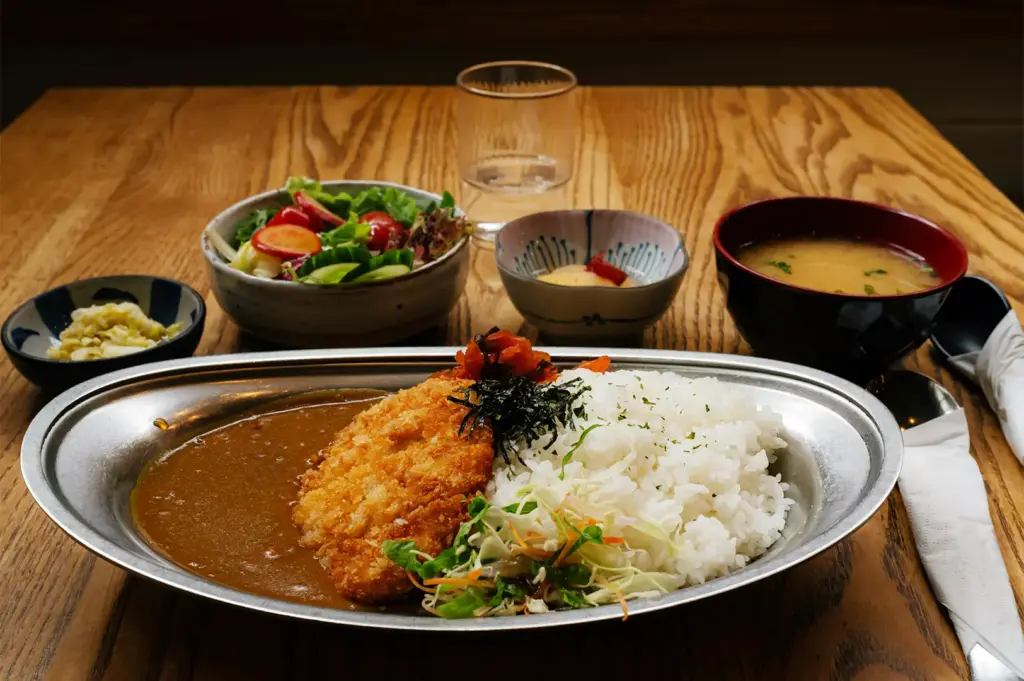
Step 7: Serve. Spoon rice onto one side of the plate and curry onto the other. Lay the cutlet across the middle so most of it stays dry and crisp.
Pro tip: No thermometer? Drop a single panko crumb into the oil. If it sizzles and floats up within a second or two, you’re ready. If it sinks and sits there, wait longer. That’s how my first cutlets came out greasy.
Is Katsu Curry Spicy?
Not really. Many people worry that katsu curry will be spicy, but most versions are mild. Even “hot” curry roux is gentle by Singapore standards. Medium hot is a safe middle ground for most local palates.
If you want more heat:
- Buy a hot or extra hot roux.
- Stir in a pinch of cayenne near the end of simmering.
- Sprinkle chilli flakes or shichimi togarashi at the table.
Popular Variations of Katsu Curry
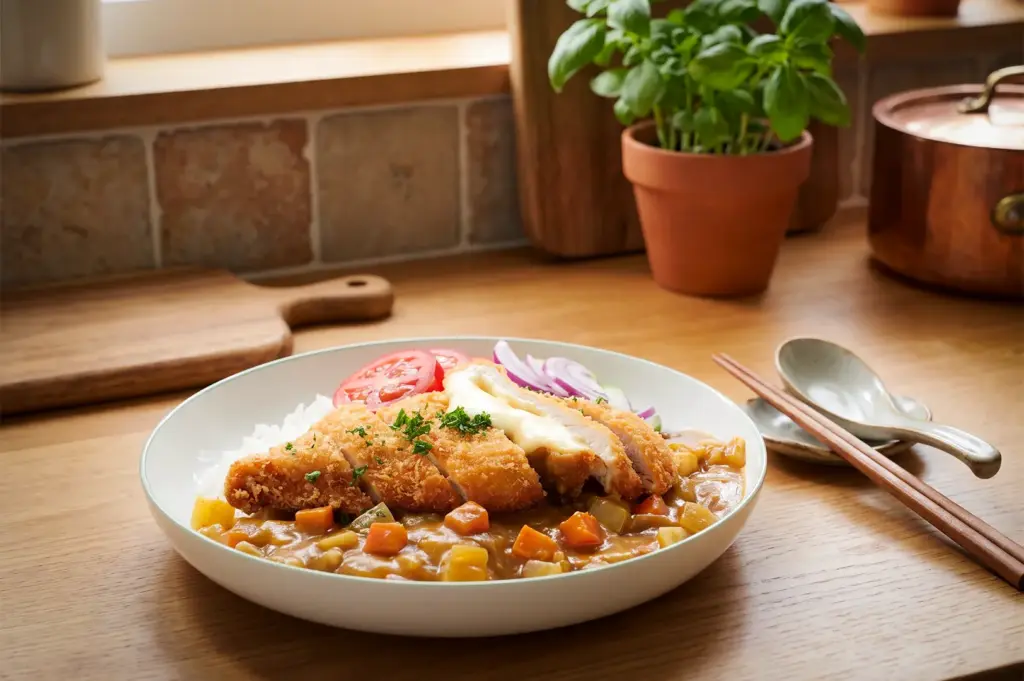
Once you’ve nailed chicken katsu curry, there’s plenty to explore.
- Pork katsu curry (tonkatsu curry): The original. Pork loin gives a juicier, richer flavour, while pork fillet is leaner and more tender.
- Ebi katsu curry: Breaded prawns instead of a cutlet. It’s lighter and great for seafood lovers.
- Tofu katsu curry: Press firm tofu for 20 minutes, slice it thickly, then bread and fry it. Use vegetable stock and a verified vegan roux to keep it meat-free.
- Cheese katsu curry: A slice of cheese tucked inside the cutlet before breading. It’s messy and indulgent.
- Gluten free katsu curry: Use rice flour, gluten free panko and a homemade roux thickened with rice flour or cornstarch. Check your soy sauce label, too, as most contain wheat.
- UK-style katsu curry: A smoother, sweeter sauce with coconut milk and turmeric. It’s not traditional, but it’s fun if you like a creamier style.
Common Mistakes When You Make Katsu Curry
- Pouring sauce over the whole cutlet. It turns soggy fast. Pour the curry beside or under the cutlet instead.
- Frying in oil that isn’t hot enough. The coating soaks up oil and goes greasy. Test with a crumb first.
- Crowding the pan. It drops the oil temperature. Fry one or two cutlets at a time.
- Skipping the flour step. Without it, the egg and breadcrumbs won’t stick. I learned this when my coating peeled off in one sheet.
- Draining on paper towels. Steam gets trapped underneath and softens the bottom. A wire rack keeps both sides crisp.
- Adding roux to boiling liquid. It clumps. Always turn off the heat first.
Final Thoughts
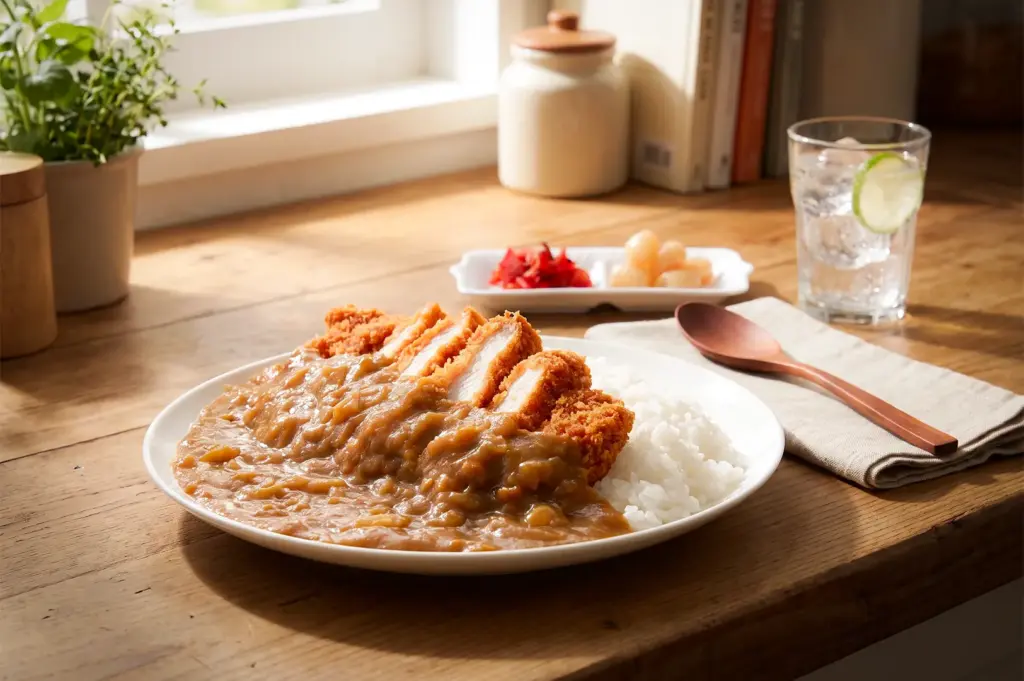
Katsu curry looks simple, and in many ways it is. But the magic lives in the details: a properly hot pan, a curry that’s thick but not gluey, and a cutlet that stays crunchy until the last bite.
Your first attempt might come out a little greasy or a little soggy. Mine did both. By your second or third try, though, you’ll have a homemade version that rivals your favorite restaurant plate at a fraction of the price.
Start with a box of roux and some chicken thighs this weekend. Keep the sauce on the side, fry with confidence, and enjoy the crunch.
Want to dive deeper into the rich flavors of Japanese curry? Check out our detailed article on What is Japanese Curry to learn everything about this beloved dish and how it complements your katsu curry perfectly!