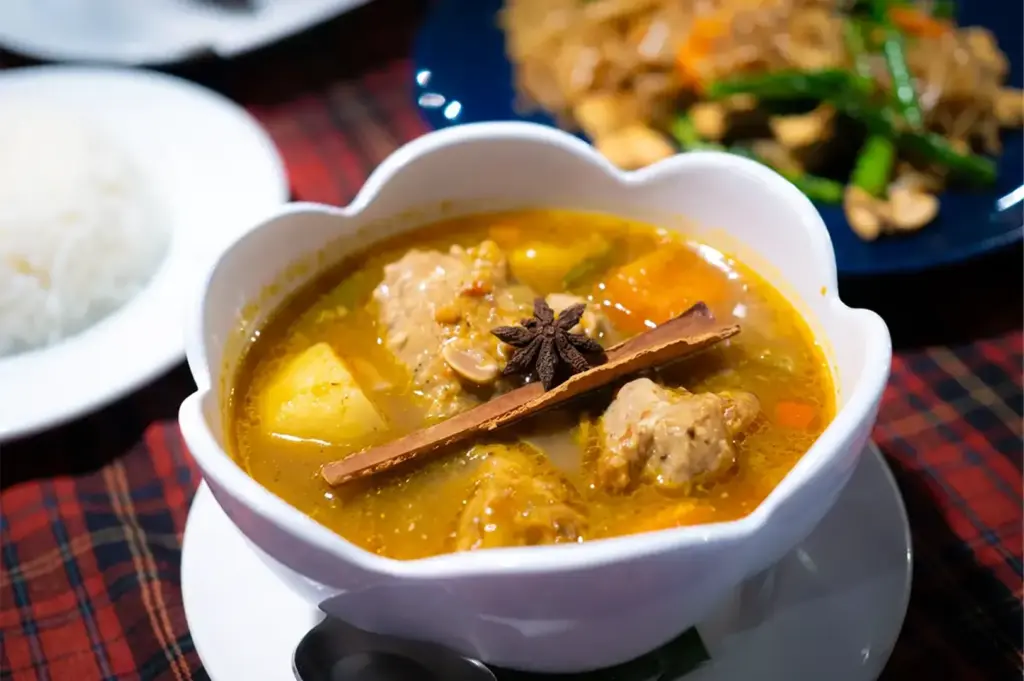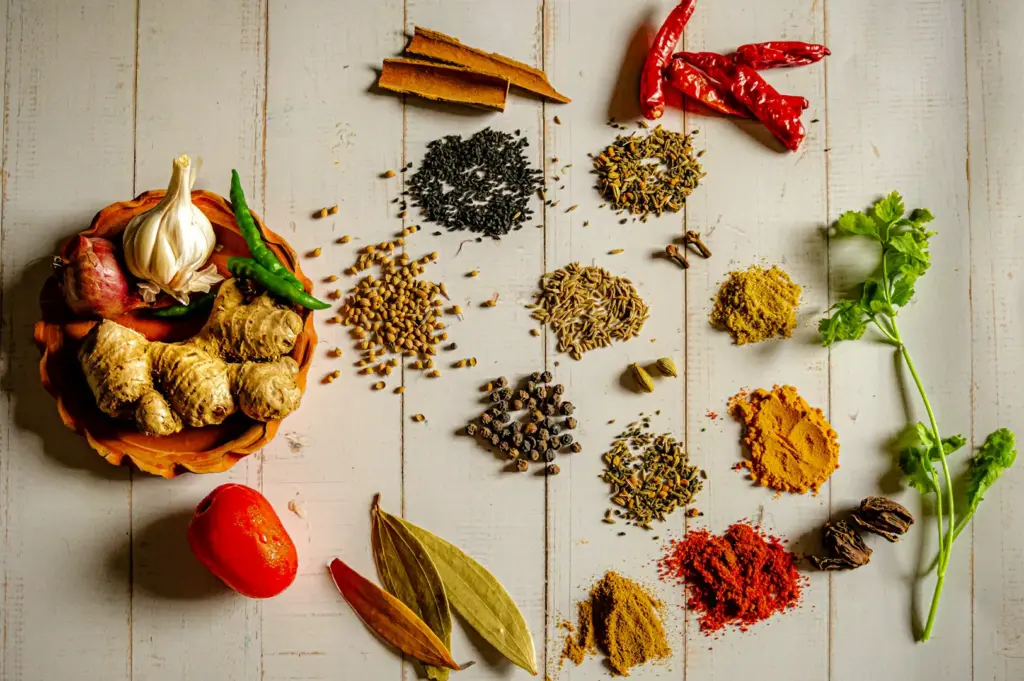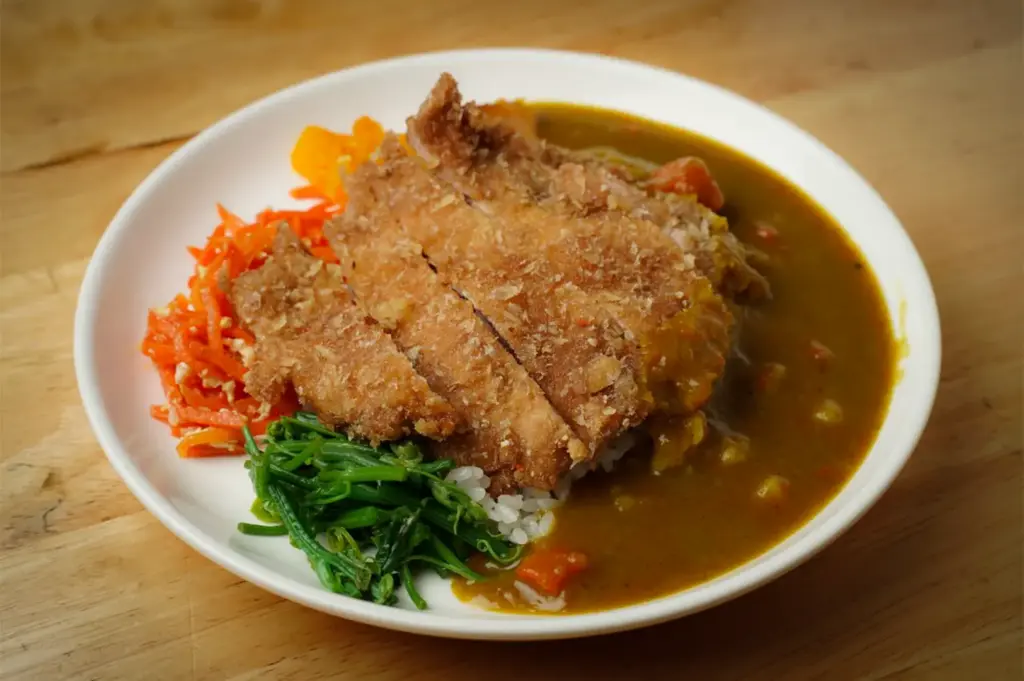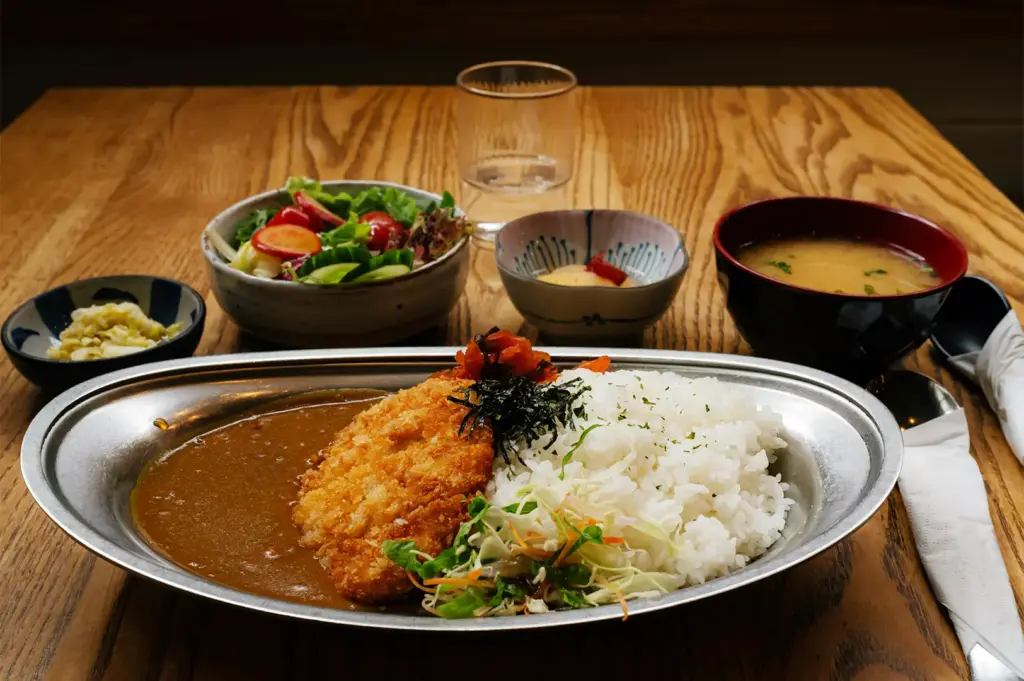
The first time I ordered Japanese curry in Singapore, I expected something like the fish head curry I’d grown up with: fiery, thin and full of chili heat. What arrived was a glossy, mahogany-brown sauce poured over fluffy rice. It was thick and mildly sweet, with a gentle warmth that built slowly. I remember thinking, wait, this is curry?
It was. Years and many plates later, Japanese curry has become one of my go-to comfort foods. I’ve eaten it at small counters, I’ve cooked it badly at home, and I’ve slowly learned what makes it work. This Japanese curry guide covers everything I wish someone had told me at the start: what Japanese curry is, how it differs from Indian curry, which roux to buy, and how to make a pot at home without the mistakes I made.
What Is Japanese Curry, Really?
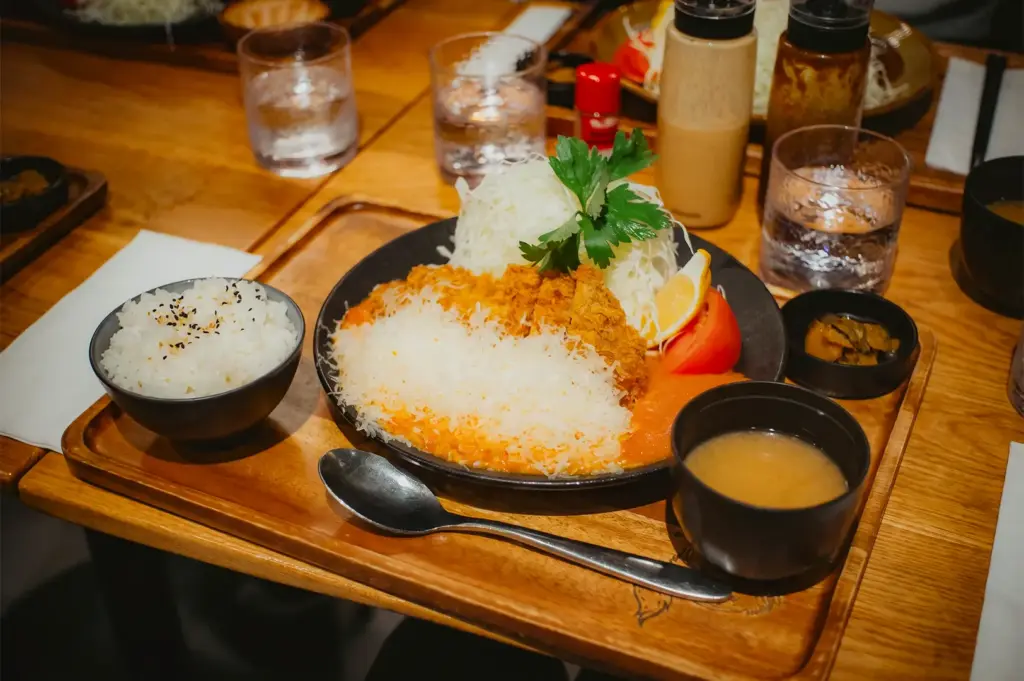
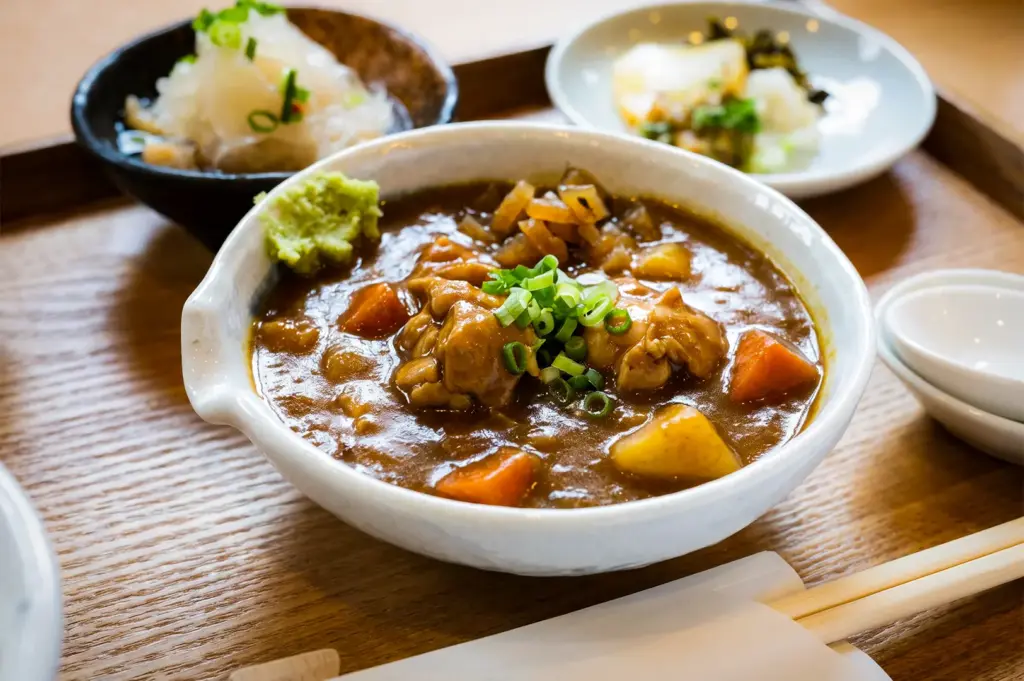
Japanese curry is a thick, mildly spiced stew, usually made with meat, onions, carrots and potatoes. It’s most often served over cooked rice as a hearty main dish. In Japan, it’s called kare raisu, which simply means “curry rice.”
Japanese people eat it everywhere: school lunches, office canteens, family dinners and casual Japanese restaurants. It’s less a special-occasion dish and more an everyday staple, the way chicken rice is here.
What sets it apart is texture. The sauce is generally thicker than most other curries, closer to a rich gravy than a soup. Flavor-wise, it leans savory and slightly sweet, with warm curry spices rather than sharp heat.
Understanding Curry Roux: The Heart of Japanese Curry
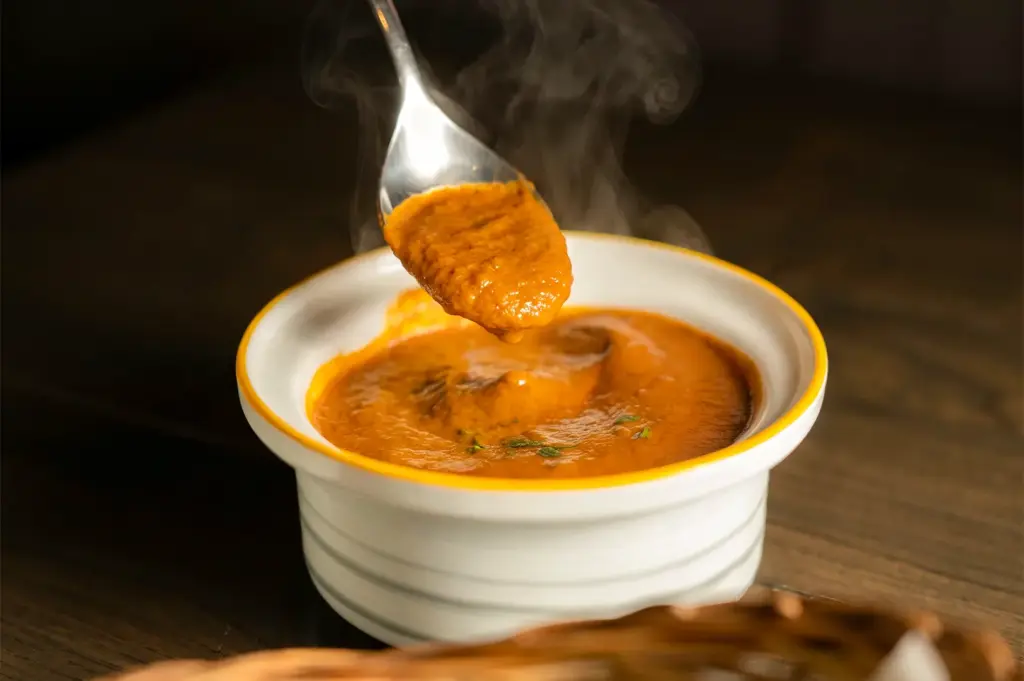
If you remember one thing from this guide, make it this: the roux is everything. Curry roux is what thickens the sauce and carries the flavor.
Store-Bought Japanese Curry Roux
Most Japanese households use store bought curry roux, and honestly, so do I on busy weeknights. It comes in block form, a bit like a chocolate bar, and you break off squares as needed.
The brands you’ll find at FairPrice, Don Don Donki and Meidi-Ya:
- Golden Curry (S&B): My personal favorite. It’s bold, savory and well balanced. It comes in mild, medium hot and hot.
- Vermont Curry (House Foods): Made with apple and honey, so it’s sweeter and gentle. It’s great for kids or anyone nervous about spice.
- Java Curry (House Foods): Deeper and spicier, for when you want more kick.
Expect to pay around S$4–7 per box, which makes roughly 8–12 servings. That’s excellent value.
Insider knowledge: Many Japanese cooks mix two brands of roux, like half Golden Curry and half Vermont Curry, to create their own version. I tried this after a Japanese friend mentioned it, and I’ve never gone back to a single brand.
One honest note: these sauce mixes often contain palm oil, which means they’re high in saturated fat, and some may contain trans fat. Check the label if that matters to you.
Making a Homemade Curry Roux
A homemade roux gives you full control over fat, salt and spice. Here’s the simple homemade curry roux recipe I use:
- Melt 4 tbsp butter in a pan over low heat.
- Stir in 5 tbsp plain flour. Cook for 10–15 minutes, stirring constantly, until it turns light brown.
- Add 2 tbsp curry powder, ½ tsp garam masala and a pinch of cayenne pepper.
- Stir for another minute, then take it off the heat.
The first time I made homemade roux, I rushed it on high heat. It burned in under three minutes and the whole kitchen smelled bitter. Low heat and patience are non-negotiable.
Pro tip: Make a double batch, let it cool and set in a container, then cut it into cubes. You’ll have your own block-form roux ready for the next pot.
Japanese Curry Rice, Katsu Curry and Other Ways to Eat It
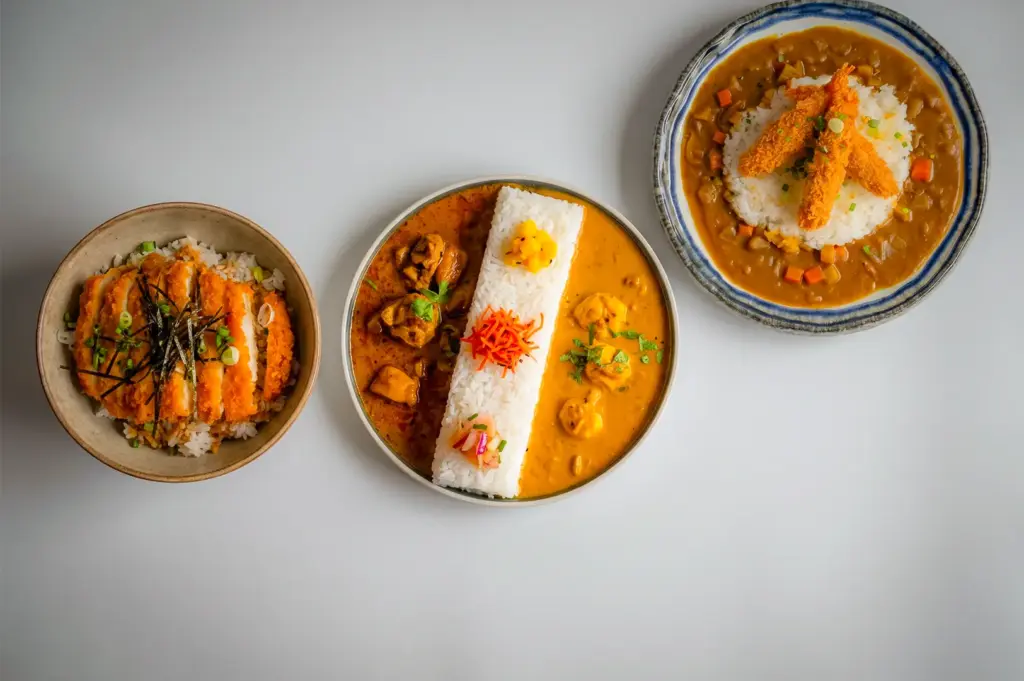
Japanese curry rice is the classic: curry sauce ladled over a plate of short-grain rice. You don’t need sushi rice for this. Plain Japanese short-grain rice works best, but I’ve used Thai jasmine in a pinch and survived.
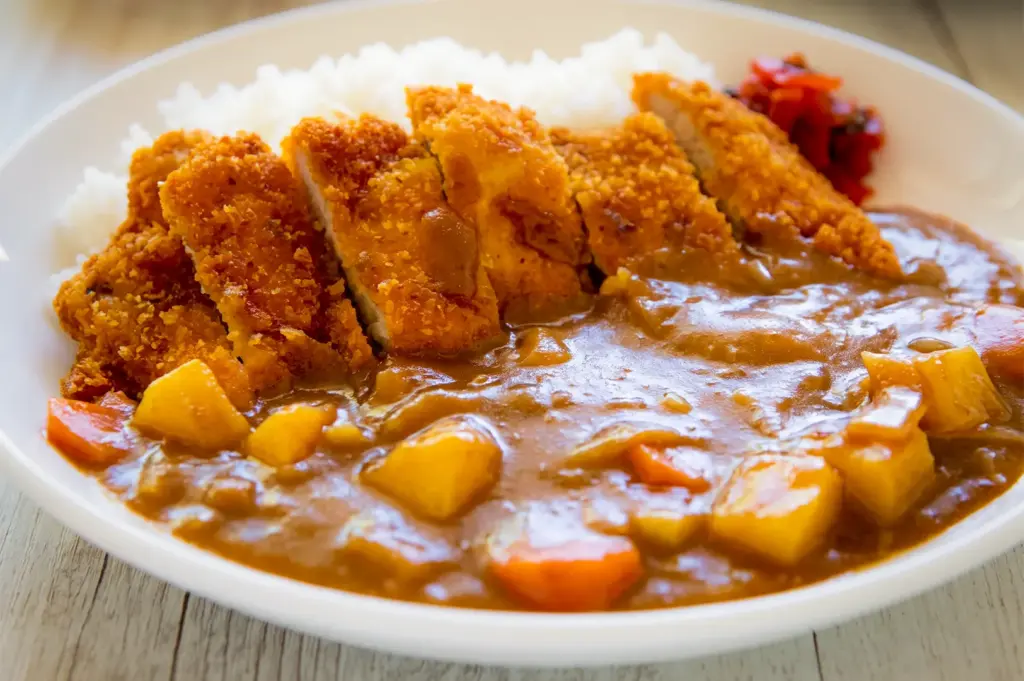
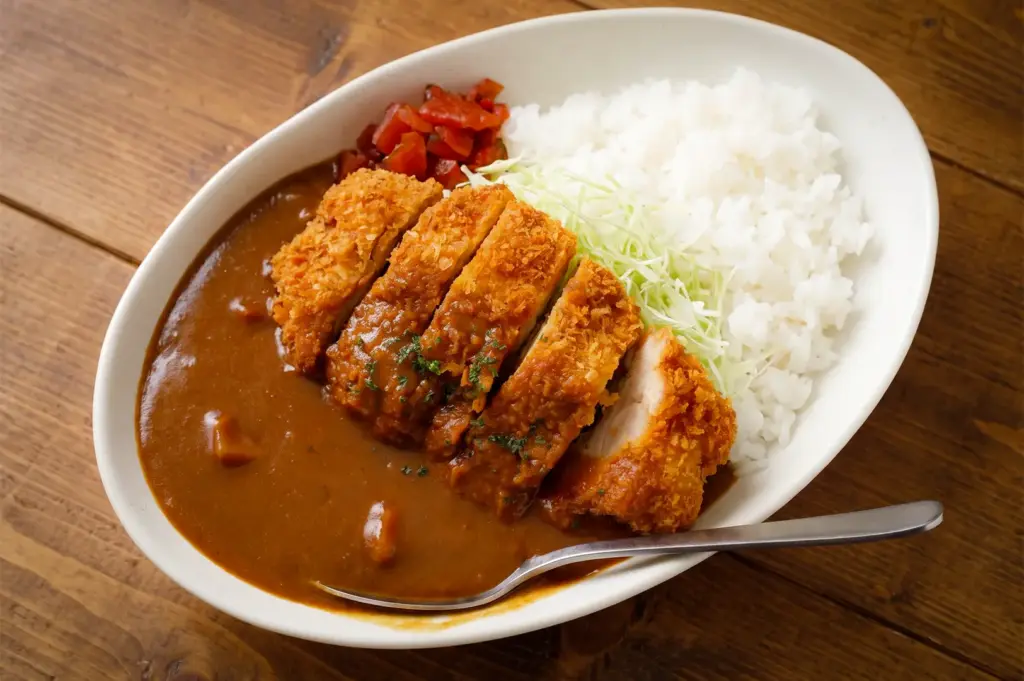
Katsu curry is the crowd favorite in Singapore. It’s a crispy breaded pork or chicken cutlet sliced and placed on top of curry rice. The crunch against the smooth sauce is what makes it addictive.
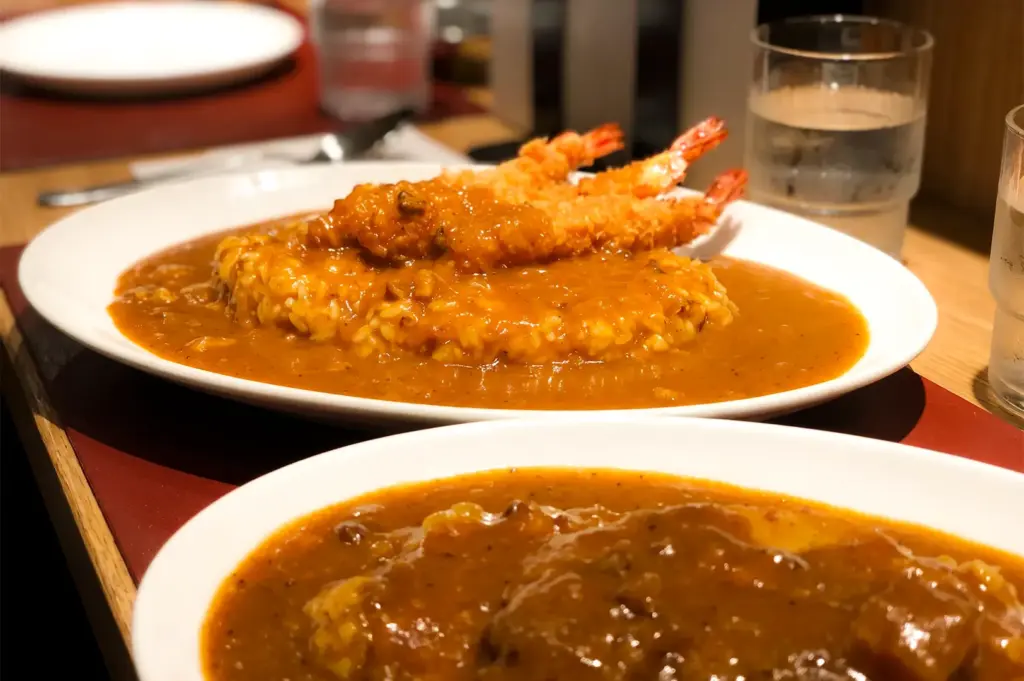
Other popular toppings include fried shrimp, a soft-boiled egg, cheese and hamburger steak. The usual side dishes are fukujinzuke (sweet red pickles) and rakkyo (pickled shallots), which cut through the richness.
If you want to try it out before cooking, CoCo Ichibanya has several outlets around Singapore and lets you customize spice levels and toppings. Expect to spend about S$12–22 per plate, depending on add-ons. For more restaurant picks and curry deep-dives, browse the guides on Best Japanese Curry.
How to Make Japanese Curry at Home: Step by Step
This curry rice recipe serves 4–6 and takes about 1 hour, mostly hands-off simmering. Ingredients cost roughly S$12–18 at a regular supermarket.
You’ll need: 500g chicken thigh (or beef or pork), 2 onions, 2 carrots, 2 potatoes, 1 tbsp oil, 800ml water and half a box of Japanese curry roux.
- Prep: Cut the meat and vegetables into bite sized pieces. Keep the potatoes in larger bite sized chunks so they don’t fall apart.
- Add onion: Heat oil in a pot over medium heat. Cook the sliced onions for 8–10 minutes until soft and lightly golden. Don’t skip this. It builds sweetness.
- Add meat: Brown the chicken for 3–4 minutes.
- Add vegetables: Add the carrots, then the potatoes.
- Add water: Pour in the water and bring it to a boil. Skim off any foam.
- Simmer: Lower the heat and simmer for 15–20 minutes until the vegetables are tender.
- Add roux: Turn off the heat. Break the roux into pieces and stir until fully melted.
- Finish: Turn the heat back to low and simmer 5–10 minutes, stirring often, until thickened.
- Serve: Spoon over hot cooked rice.
Just One Cookbook has a well-loved version of this method if you want a visual walkthrough. For a deeper dive into everyday Japanese dishes, Japanese Soul Cooking by Tadashi Ono and Harris Salat covers curry beautifully.
Home Cooking Tips: Storing, Freezing and Reheating
Japanese curry genuinely tastes better the next day. To store Japanese curry, let it cool, then refrigerate it in an airtight container for up to 3 days.
Frozen curry keeps for about a month, with one catch: potatoes turn grainy and spongy after freezing. I learned this after defrosting a whole batch for guests. Now I either remove the potatoes before freezing or mash them into the sauce.
When reheating, add a splash of hot water or boiling water. The sauce thickens a lot overnight. Stir often over low heat so the bottom doesn’t scorch.
Common Mistakes to Avoid When You Make Japanese Curry
- Adding roux to boiling liquid. It clumps instantly. Always turn off the heat first. I’ve fished out stubborn roux lumps more times than I’d like to admit.
- Adding potatoes too early. They’ll dissolve into mush. Adding potatoes after the carrots keeps their shape.
- Using too much roux. Follow the box ratio. More roux means saltier, gluey curry.
- Rushing the onions. Pale onions give flat flavor. Give them the full 10 minutes.
- Walking away during the final simmer. Thick curry sticks and burns fast. Stay close and stir.
Final Thoughts
Japanese curry is one of the friendliest dishes you can learn. It’s cheap, hard to ruin completely and endlessly customizable.
Your first pot might be too thick, too salty or a bit lumpy. Mine was all three. But by the third try, you’ll have a version you’re proud of.
Start with a store-bought roux, nail the basics, then play with secret ingredients until it tastes like yours.
Grab a box of roux this weekend and give it a go. Your kitchen will smell amazing.
Frequently Asked Questions (FAQs)
What is the difference between Japanese style curry and other curries?
Japanese style curry is thicker, sweeter, and milder than many other curries. It uses a roux to thicken the sauce and often includes ingredients like grated apples and honey to add sweetness. It is typically served over short-grain rice and is less spicy, making it a popular comfort food.
Can I use soy sauce or Worcestershire sauce in Japanese curry?
Yes, both soy sauce and Worcestershire sauce are commonly used to enhance the umami and depth of flavor in Japanese curry. These sauces contribute to the savory-sweet balance that characterizes this dish.
Where can I find good Japanese curry food recipes?
There are many resources online and in cookbooks dedicated to Japanese curry food recipes. These recipes range from the classic Japanese version with chicken and vegetables to variations like katsu curry and curry udon.
Is Japanese curry suitable for children?
Yes, Japanese curry is typically mild and not very spicy, making it a favorite among children. The use of sweet ingredients like grated apples and the gentle heat level make it very kid-friendly.
What makes the Japanese version of curry unique?
The Japanese version of curry is unique due to its thick, stew-like consistency, use of a curry roux, and the balance of savory and sweet flavors. It often includes ingredients like soy sauce, Worcestershire sauce, and grated apples that are less common in other curry styles.