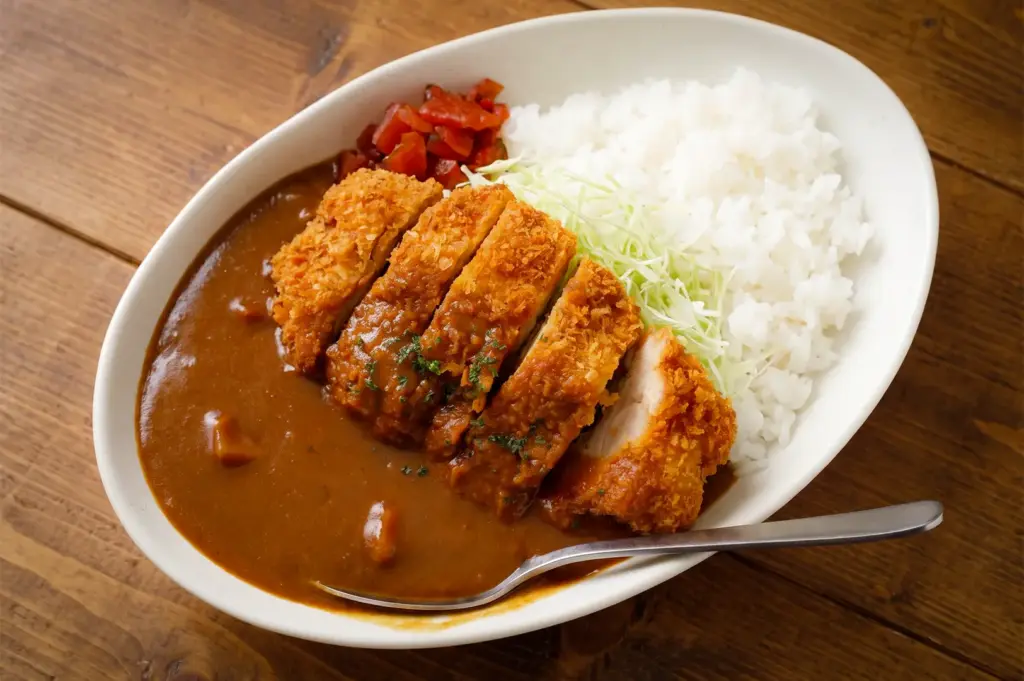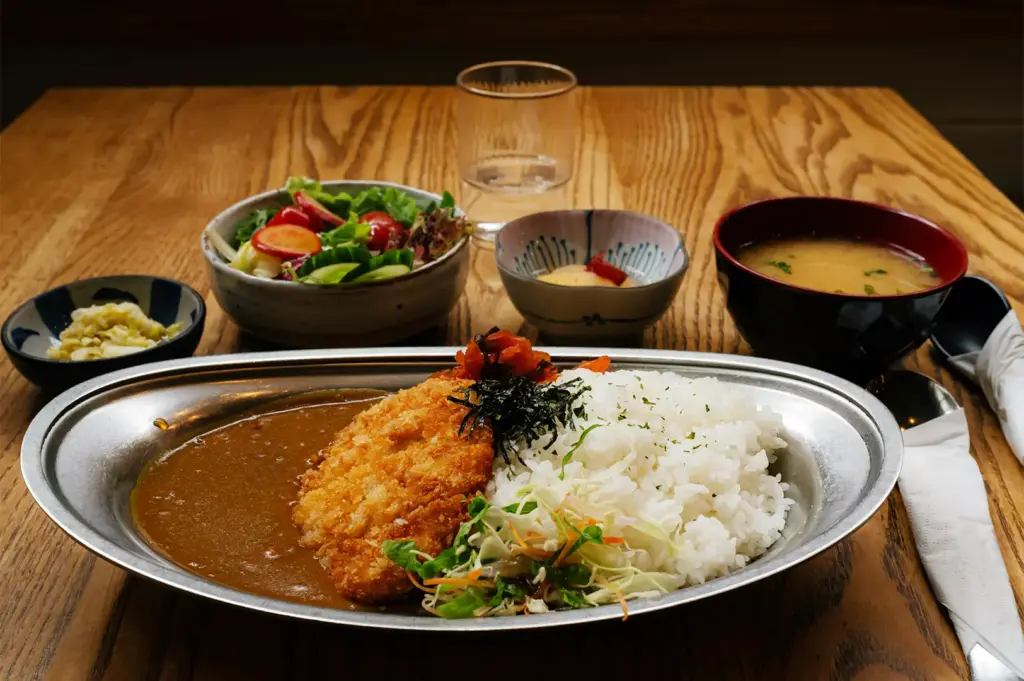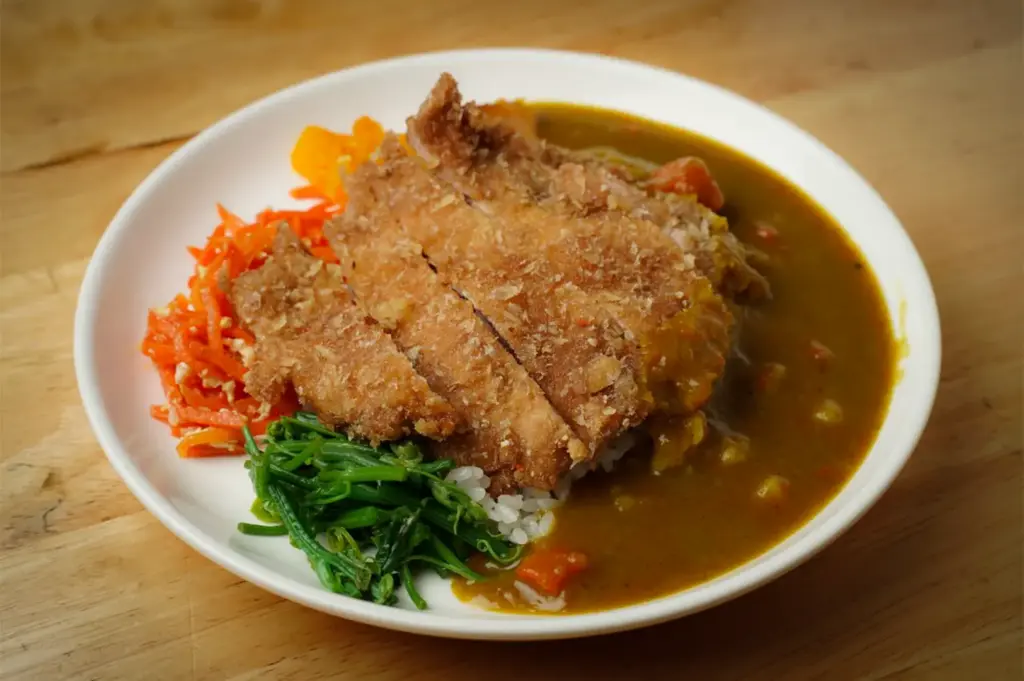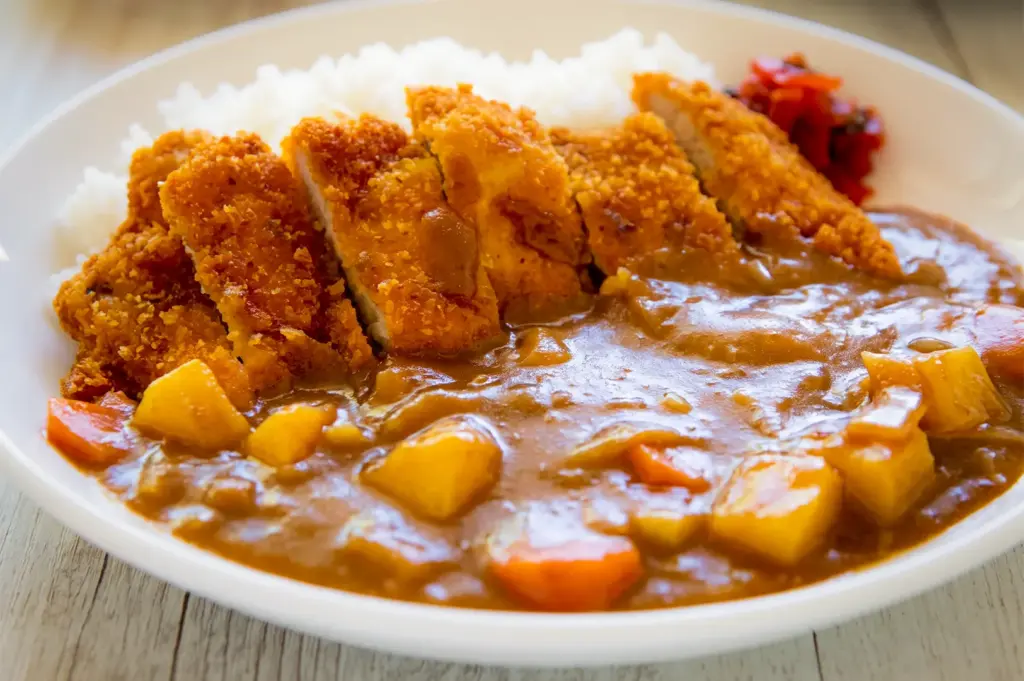
The first time I tasted Japanese curry, I was 14 and starving after CCA. A friend dragged me to a CoCo Ichibanya, and I ordered a pork cutlet curry, expecting the punchy, chili-red curry my grandmother made every Chinese New Year. What I got was a deep brown, glossy sauce that tasted savory, a little sweet and almost buttery. My honest first reaction was disappointment. Where’s the heat?
By the bottom of the plate, I’d changed my mind. The flavor kept building. Each spoonful felt rich and comforting in a way I couldn’t quite explain.
Since then, our team has eaten Japanese curry at dozens of places around Singapore and cooked plenty of pots at home. This guide breaks down what Japanese curry tastes like, from its flavor and texture to its spice levels, plus how roux brands and toppings change the experience. If you know what to expect, your first plate is far more likely to win you over.
The Flavor Profile: Savory, Mildly Sweet and Umami-Rich
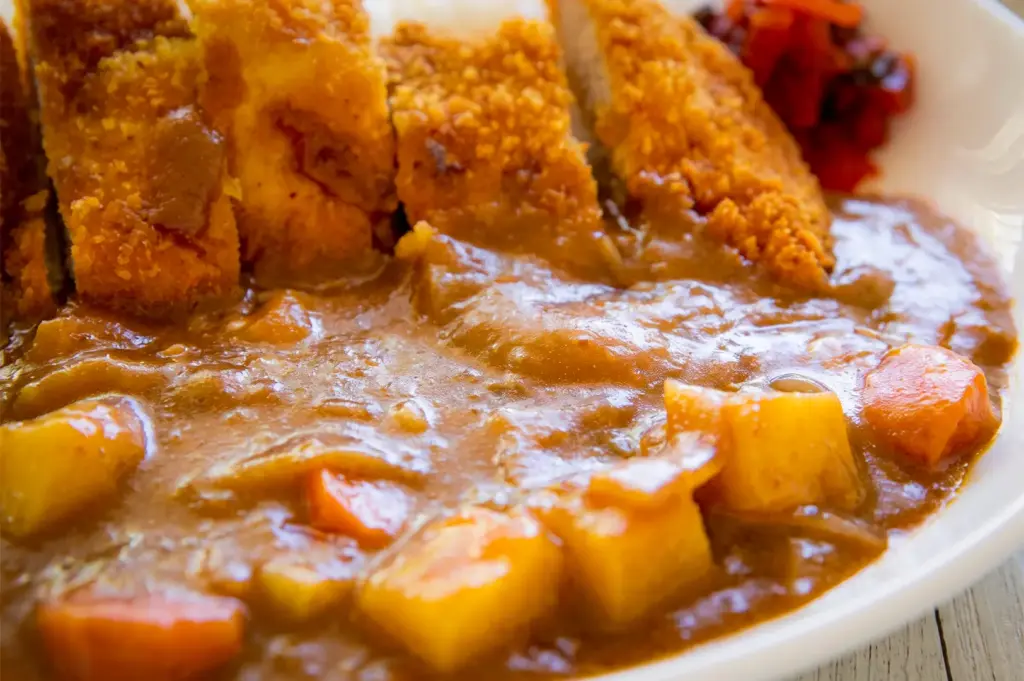
If I had to describe Japanese curry in one line, I’d say it tastes like a rich beef stew that met a gentle curry spice blend.
Here’s what you’ll notice on your tongue:
- Savory depth first. The base flavor comes from slowly cooked onions, meat and stock. It’s hearty and rounded, not sharp.
- Mild sweetness next. Many recipes and roux blocks include apple, honey or caramelized onions. The sweetness is subtle, closer to a good gravy than to dessert.
- Umami underneath. Ingredients like soy sauce, Worcestershire sauce and meat stock give it that “I want another spoonful” quality.
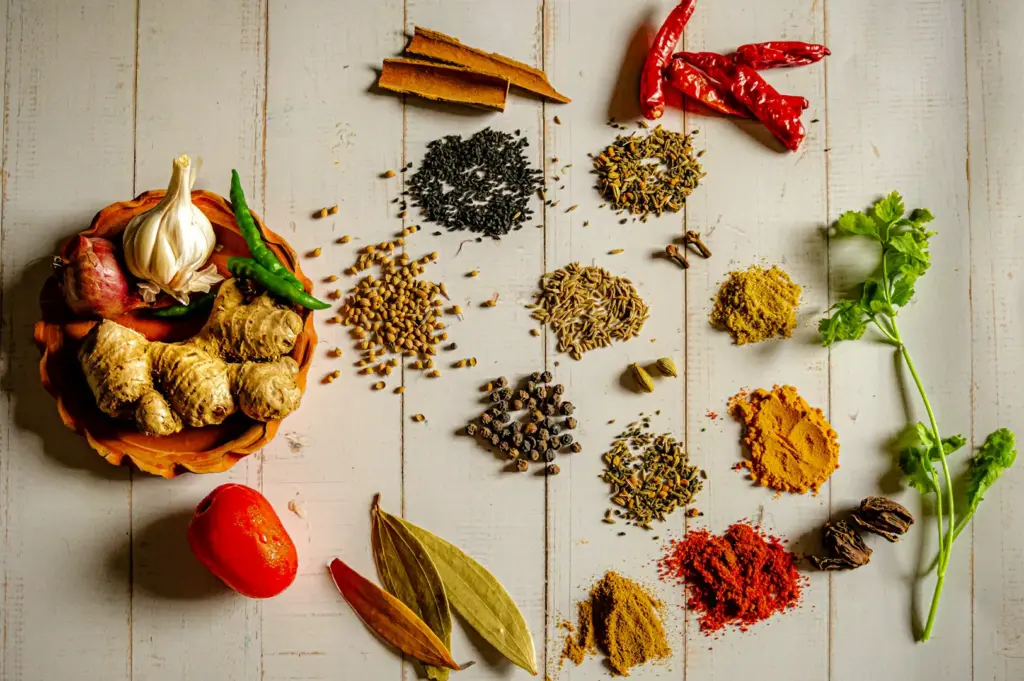
- Warm spices at the end. Turmeric, coriander, cumin, fenugreek and black pepper show up as a gentle warmth rather than a burn.
I’ve found that people who grew up on local curries often describe it as “curry-flavored gravy.” That’s not wrong. Japanese curry is built for comfort, not for fireworks.
Curious about what gives the sauce its savory depth and gentle sweetness? Explore our Japanese curry ingredients guide to learn what goes into this comforting dish.
Insider knowledge: Japanese curry tastes noticeably better the next day. The spices soften, the sweetness blends in, and the sauce becomes more balanced. Many Japanese families deliberately make a big pot on Sunday for “day two curry.”
Takeaway: Expect a rich, rounded, slightly sweet flavor. If you’re hunting for bold chili and fresh herbs, you won’t find them here.
The Texture: Thick, Glossy and Gravy-Like
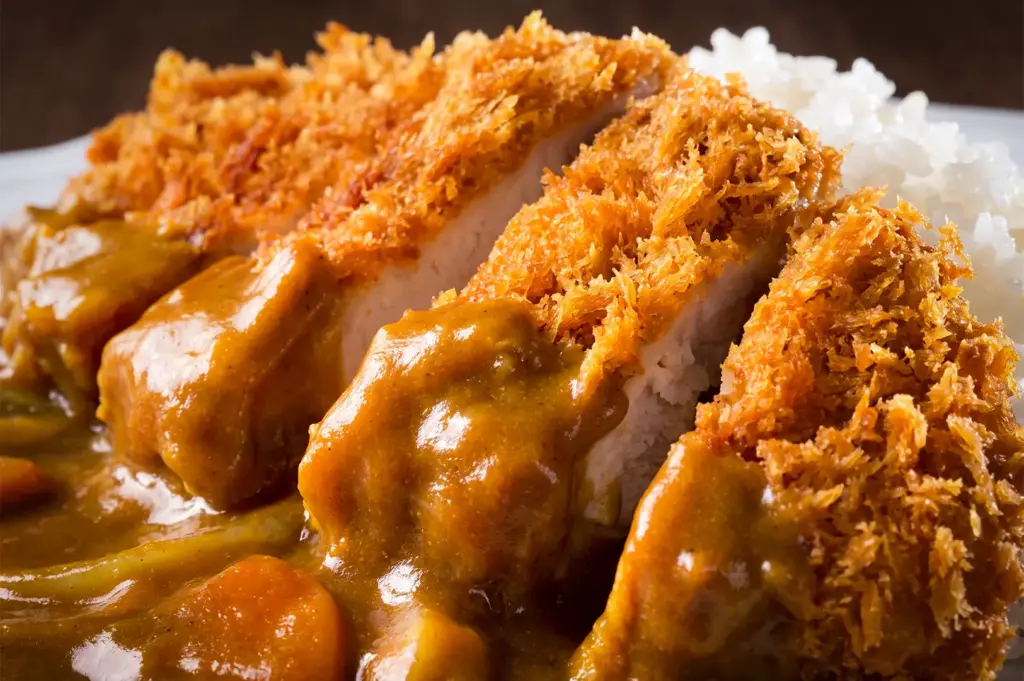
Texture is where Japanese curry really separates itself from other curries.
Classic Curry Rice
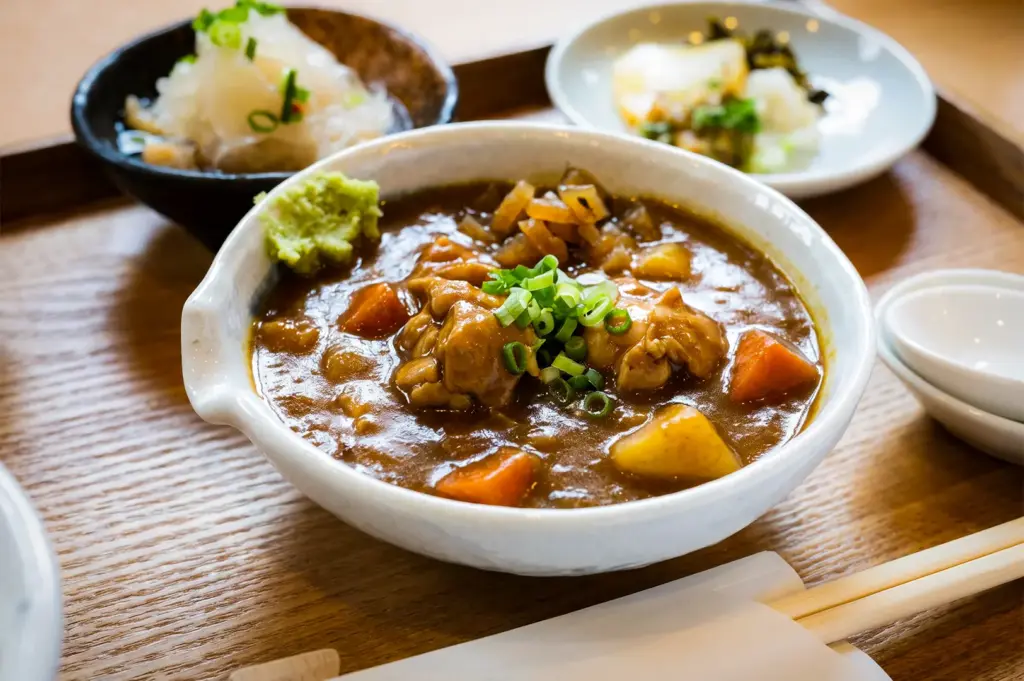
Standard Japanese curry is thick enough to coat the back of a spoon. It clings to rice instead of soaking into it. That’s thanks to the roux, a mix of flour, fat and curry powder that thickens the sauce as it simmers.
The vegetables are usually soft. Potatoes melt slightly at the edges and thicken the sauce further, while carrots stay tender. In my experience, a well-made plate feels velvety, not pasty. If it feels gluey, too much roux went in.
Soup Curry: The Thin Exception
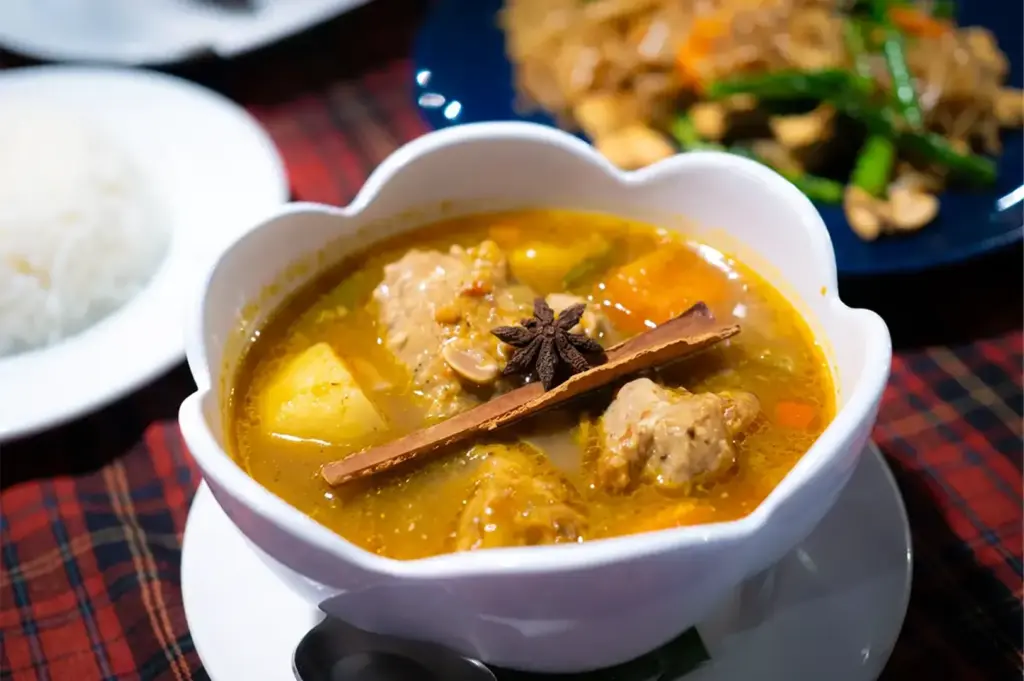
Then there’s Hokkaido-style soup curry, which is a completely different experience. It’s a thin, spice-forward broth topped with large roasted vegetables and often a whole chicken leg. The rice comes on a separate plate, and you dip it in spoonful by spoonful.
If you’ve only tried one style, the other might surprise you. I think of curry rice as a warm hug and soup curry as a wake-up call.
Pro tip: At restaurants, ask for your sauce “on the side” or “half and half” if you love crisp toppings. A thick sauce poured over a fried cutlet softens the crust within minutes.
Takeaway: Classic Japanese curry is thick and glossy. If yours is watery, it’s either soup curry or something went wrong.
Spice Levels: How Hot Is Japanese Curry Really?
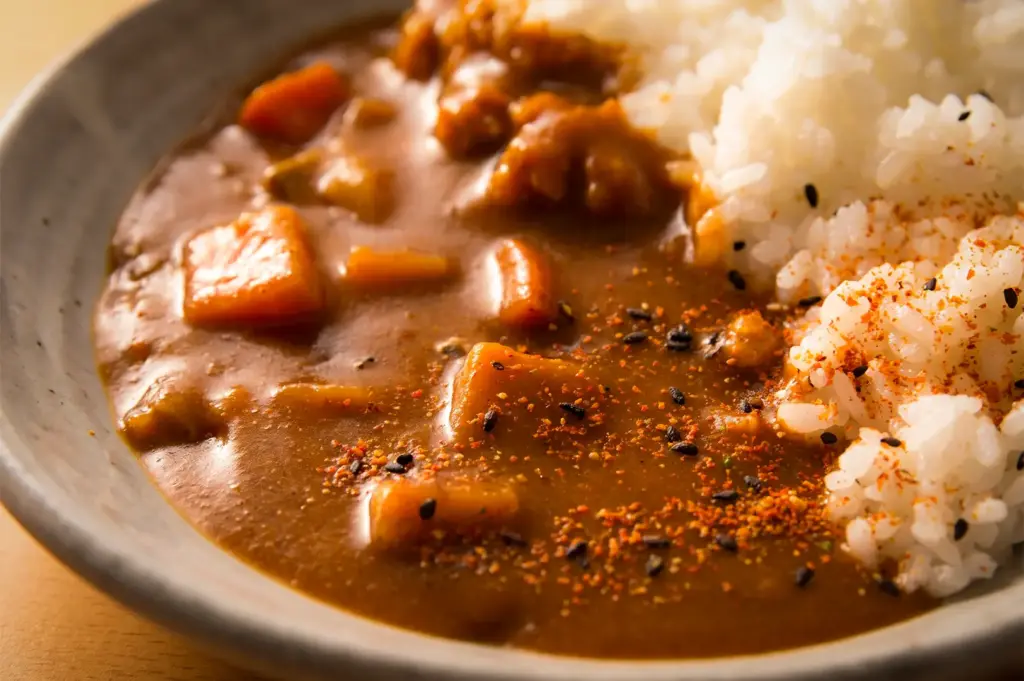
Here’s the deal: Japanese curry is mild by Singapore standards, even when the box says “hot.”
Most roux brands use a scale of mild, medium hot, hot and sometimes extra hot. Here’s how our team compares them to local food:
| Japanese spice level | What it feels like for most Singaporeans |
|---|---|
| Mild | Almost no heat, like white pepper in chicken porridge |
| Medium hot | A light tingle, gentler than nasi lemak sambal |
| Hot | A slow warmth that builds, still milder than hawker chicken curry |
| Extra hot | Finally feels “spicy,” but softer than fish head curry |
Many people also worry that Japanese curry might be too spicy for kids or older relatives. It’s honestly one of the safest curries you can serve. Mild Japanese curry is a weekly school lunch staple in Japan.
Insider knowledge: Japanese curry heat builds slowly. The first few bites may feel tame, but by mid-plate you’ll notice the warmth. Don’t jump up a spice level after one spoonful.
Takeaway: Start lower than you think you need. You can always add chili flakes or shichimi togarashi at the table.
Common Misconceptions When Expecting Indian or Thai Curry
Most disappointment with Japanese curry comes from mismatched expectations. Here are the ones our team hears most:
- “It’ll be spicy like Indian curry.” Japanese curry descends from a British take on Indian curry, adapted for Japanese tastes. It’s milder, sweeter and smoother.
- “It’ll be creamy like Thai curry.” Thai green and red curries rely on coconut milk and fresh herbs. Japanese curry uses a flour-based roux and almost never includes coconut or lemongrass.
- “It should have whole spices and curry leaves.” You won’t find cardamom pods or curry leaves floating in Japanese curry. The spices are ground and blended into the roux.
- “Thick means heavy and bland.” A good Japanese curry has real depth. If yours tastes flat, it may have been under-seasoned or rushed.
- “All Japanese curry tastes the same.” Brand, protein, toppings and restaurant style all make a big difference. One bad plate doesn’t define the dish.
I once brought a friend who loves rendang to a food court Japanese curry stall. The sauce was thin, sweet and lukewarm. He decided Japanese curry “wasn’t for him.” It took me two years to get him to CoCo Ichibanya, where he now orders level 5 every time. Your first plate matters, so choose a reliable spot.
Final Thoughts
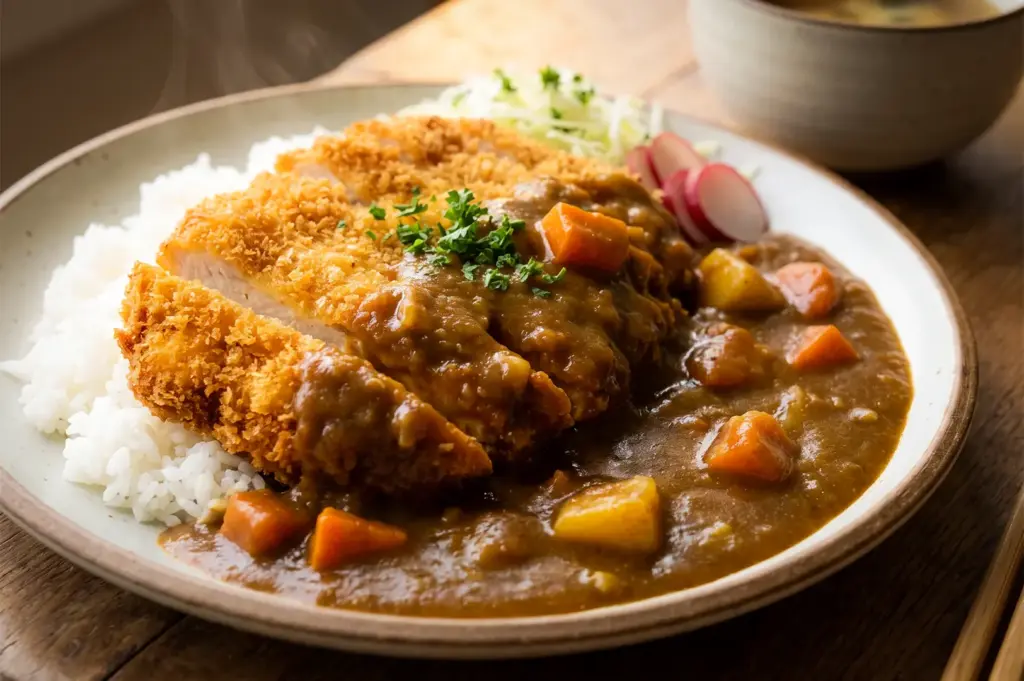
Japanese curry doesn’t try to shock your taste buds. It wins you over slowly with savory depth, mild sweetness and a thick, glossy sauce that feels like comfort in a bowl. If you go in expecting fiery local curry, you might feel let down at first. I did. But once you understand what it’s meant to be, it’s easy to fall for.
Start with a mild or medium plate at a trusted spot, try a crispy topping, and adjust the spice as you go. When you’re ready to explore further, check out our Japanese curry restaurant guides for Singapore for places our team actually loves.
Frequently Asked Questions (FAQ)
Is Japanese curry sweet?
Slightly. Expect a gentle sweetness from onions, fruit or honey. Vermont Curry is the sweetest of the common brands, while Golden Curry and Java Curry are more savory.
Does Japanese curry taste like Indian curry?
They share some spices, but the overall taste is quite different. Japanese curry is thicker, milder and more gravy-like.
Is Japanese curry good for people who can’t handle spice?
Yes. Mild Japanese curry has almost no burn. At restaurants, simply order the base level without added spice.
Why does restaurant curry taste better than my homemade version?
Restaurants often simmer their sauce for hours and add extra spice blends. At home, slow-cooked onions, a splash of soy sauce and resting the curry overnight will close much of that gap.
What should I order on my first visit?
I’d suggest chicken katsu curry at medium heat, or level 2–3 at CoCo Ichibanya. Add cheese or an egg if you want something a little richer.