My first homemade Japanese curry was a disaster, and the problem was the ingredients. I grabbed the first red box of roux I saw at FairPrice. It turned out to be a hot Java Curry. Then I threw in a whole bag of baby potatoes and added way too much water “just to be safe.”
Since then, our team has cooked a lot of curry. We’ve learned that great Japanese curry isn’t about rare or expensive items. It’s about choosing the right everyday ingredients and knowing what each one does.
This Japanese curry ingredients guide covers everything, from roux blocks and root vegetables to secret ingredients, local prices and halal concerns. Whether you want to make Japanese curry from scratch or use a store-bought curry roux, this guide will help you create delicious Japanese food at home.
The Core Japanese Curry Ingredients at a Glance: Essential for Your Curry Recipe
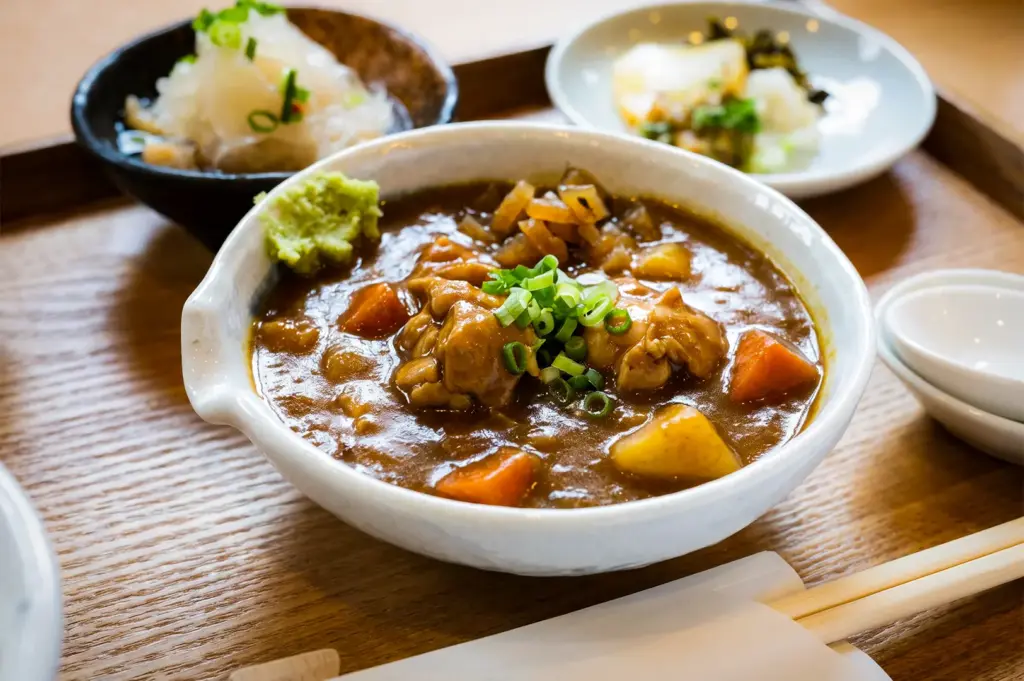
The basic ingredients of Japanese curry are simple. Here’s what goes into a classic pot of Japanese curry rice (kare raisu) for four people:
| Ingredient | Amount | What it does |
|---|---|---|
| Chicken, beef or pork | 300–400 g | Protein and savory depth |
| Onion | 1 large | Sweetness and body |
| Carrots | 2 medium | Natural sweetness and color |
| Potatoes | 2 medium | Substance; they soak up flavor |
| Japanese curry roux | Half a box (about 4 servings) | Thickens and seasons the Japanese curry sauce |
| Water | Per box instructions | Base of the sauce |
| Cooking oil | 1 tbsp | For sautéing |
| Cooked rice | 4 servings | The foundation |
Expect to spend about S$3–5 per serving for a basic chicken version. That makes it one of the cheapest comfort meals you can make at home in Singapore.
Curry Roux: The Ingredient That Does the Heavy Lifting in Your Homemade Curry Roux or Store-Bought Mix
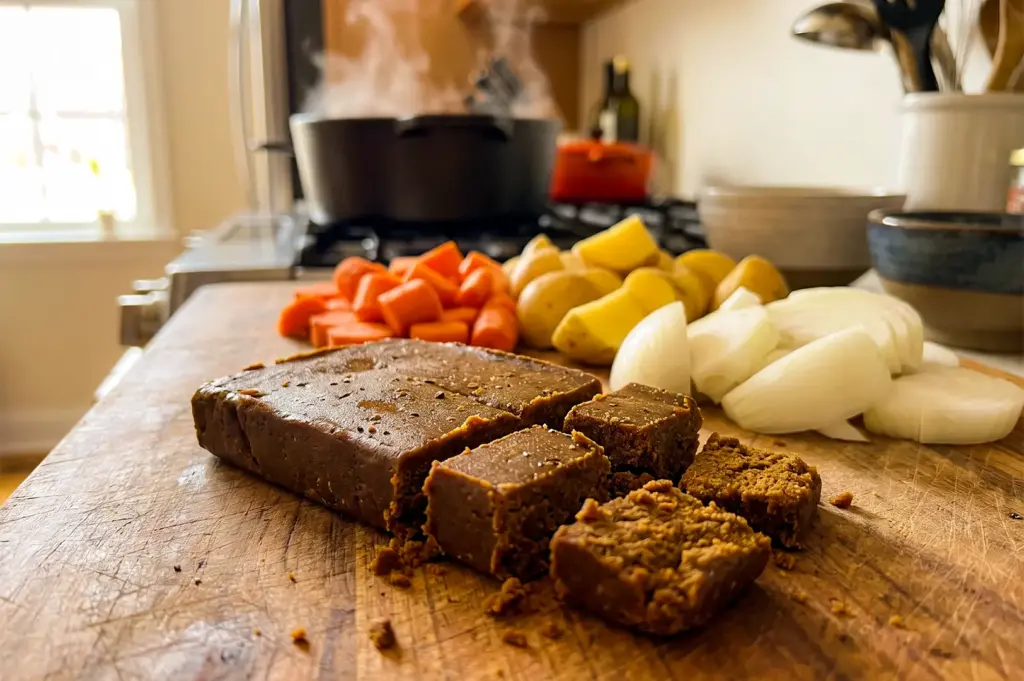
If you get one thing right, make it the curry roux. It’s a solid block made from wheat flour, fat, curry powder, salt, sugar and seasonings. When it melts, the sauce thickens into that glossy, generally thicker texture that sets Japanese curry apart from other curries.
Most Japanese households use store bought curry roux cubes, and I think that’s the smartest place to start. The three brands you’ll see most often in Singapore:
- S&B Golden Curry: My everyday pick. It’s balanced and savory, with notes of pepper, garlic and mustard. It comes in mild, medium hot and hot.
- House Foods Vermont Curry: Made with apple and honey, so it’s sweeter and gentler. It’s ideal for kids or anyone wary of spice.
- House Foods Java Curry: Deeper and spicier. It’s great once you know you like heat. Just don’t buy it by accident like I did.
Insider knowledge: A Japanese friend once told me her family mixes two boxes, like half Golden Curry and half Vermont Curry. I tried it and loved the balance of savory and sweet. Now it’s my default.
One honest note: these sauce mixes are fairly high in fat and salt. They’re convenient, not health food.
Onions, Carrots and Potatoes: The Root Vegetables Behind Great Curry Rice in Japanese Curry Recipes
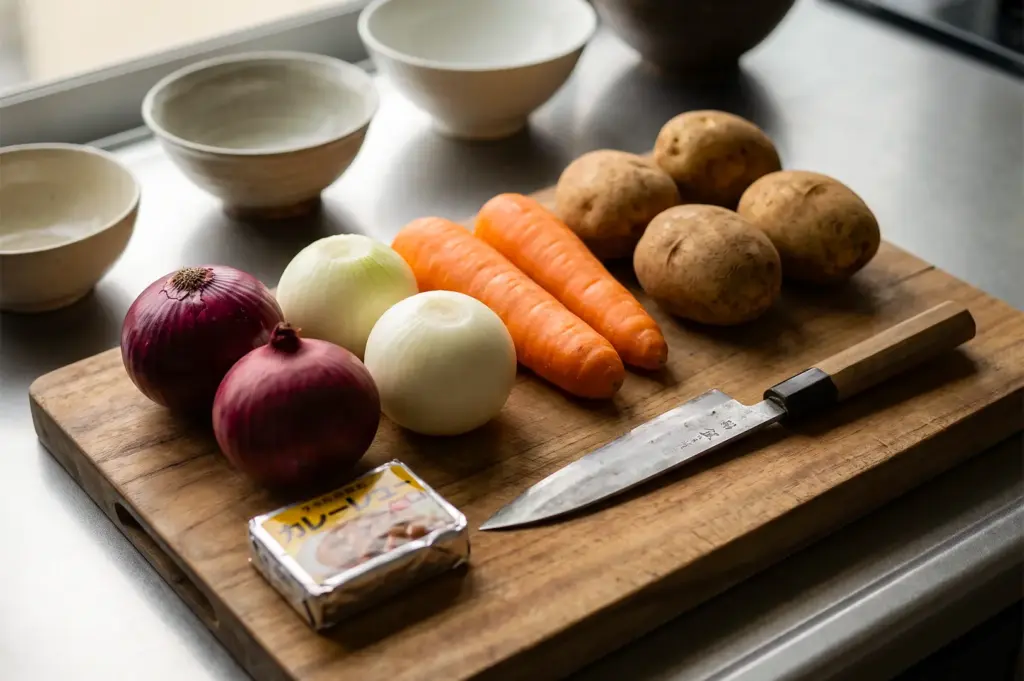
These humble root vegetables matter more than people expect.
Onions are the flavor base. I’ve found that cooking them for 8–10 minutes over medium high heat, until soft and lightly golden, makes a huge difference. Pale onions give flat curry.
Carrots add sweetness and color. Cut them into even, bite sized pieces so they cook at the same rate.
Potatoes give the dish body and absorb the sauce. Waxy or all-purpose potatoes hold their shape best. Keep them in slightly larger bite sized chunks than the carrots.
When shopping, look for fresh vegetables: firm carrots, onions without soft spots or mold, and potatoes with no green patches or sprouting.
Pro tip: Try adding potatoes after the carrots have simmered for about 5 minutes. They’ll stay intact instead of melting into the sauce.
Choosing the Meat for Your Japanese Curry: Chicken Cutlet, Pork Cutlet, or Beef
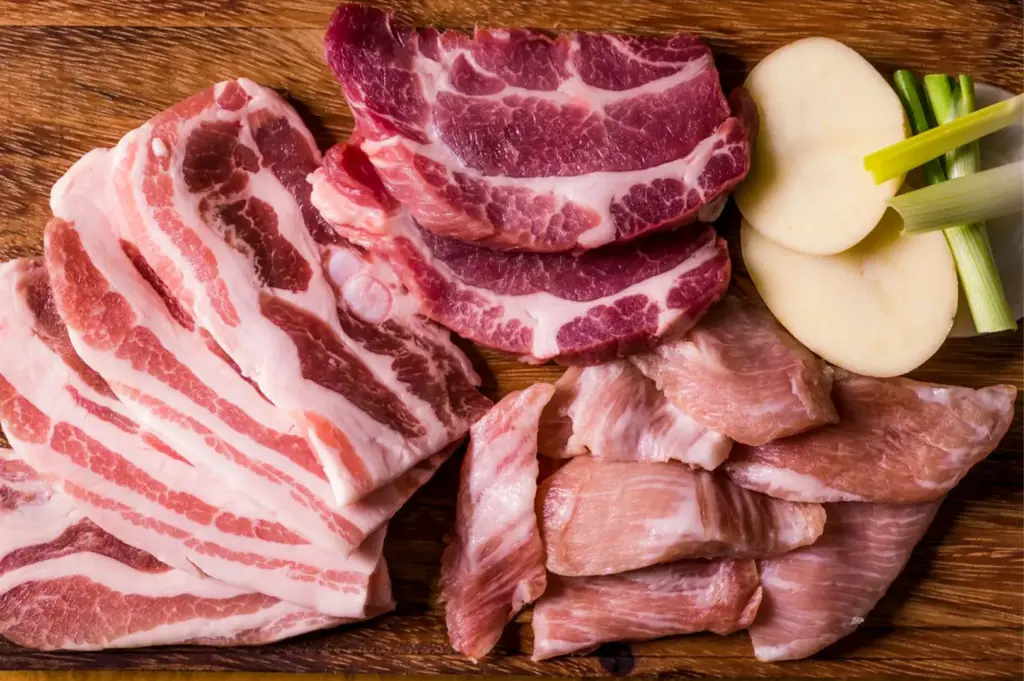
Chicken, beef and pork all work. Here’s what I’ve learned:
- Chicken thigh is my top pick. It stays juicy during simmering, and breast meat can dry out.
- Beef works best with stewing cuts that get tender with longer cooking.
- Pork shoulder or belly is the classic choice in many Japanese homes.
No meat? Mushrooms, pumpkin and tofu make a lovely meat-free version. More on that below.
Secret Ingredients That Upgrade Your Curry Sauce: How to Add the Curry and More
Here’s where it gets fun. Almost every family in Japan has its own secret ingredients for curry sauce. These are the ones I actually use:
- Grated apple (1–2 tbsp): Adds sweetness and gentle acidity.
- Soy sauce (1–2 tsp): Adds umami and saltiness.
- Worcestershire sauce (1 tbsp): Brings tangy, savory depth.
- Fresh ginger (1 tsp, grated): Adds warmth and aroma.
- Dark chocolate (1 small square): Adds richness and subtle bitterness. It sounds strange, but it works.
I once added all five at once, plus honey. The curry tasted muddy and too sweet, and I had no idea which ingredient caused it.
Pro tip: Add one secret ingredient per pot. Taste, take notes, then build your own combination over a few weeks.
Watch the salt, too. Curry roux cubes are already salty, so go easy on soy sauce and Worcestershire sauce.
Where to Buy Japanese Curry Ingredients in Singapore
Good news: you don’t need specialty stores. Here’s where I shop:
| Store | What to buy | Example prices |
|---|---|---|
| FairPrice | Golden Curry, Vermont Curry, vegetables, meat, rice | Golden Curry Mild 220 g: S$5.50; Vermont Curry Mild 230 g: S$5.45; S&B Japanese Style Curry Sauce Mix Mild 210 g: S$2.96 |
| Don Don Donki | Wider roux range, Japanese rice, seasonings | Often pricier than supermarkets, but with more variety |
| Meidi-Ya (Liang Court area, Great World) | Japanese specialty brands, premium rice | Best for hard-to-find items |
| Sheng Siong / Cold Storage | Vegetables, meat, selected roux | Comparable supermarket pricing |
Prices change with promotions, so check before you go. For the fresh vegetables, I usually buy at my neighborhood wet market. It’s cheaper and fresher.
Halal, Vegetarian and Gluten Free Concerns
Many readers ask about this, and it’s worth being careful.
- Halal: A roux with no meat listed isn’t automatically halal-certified. Some contain animal-derived flavorings. Look for an actual halal certification mark on the box.
- Vegetarian and vegan: Check for milk, beef extract or pork extract. For example, Vermont Curry lists wheat, soy and milk as allergens.
- Gluten free: Most store-bought curry roux contains wheat flour. Use a certified gluten free roux or the homemade curry roux recipe with gluten free flour, and check your soy sauce and Worcestershire sauce labels too.
Home Cooking Mistakes I Made (So You Don’t Have To)
- Too much roux. It makes the curry gluey and salty. Stick to the box ratio.
- Too much water. It gives you thin, watery curry. Measure it.
- Uneven cuts. Some carrots stay hard while potatoes turn to mush.
- Wrong spice level. If you’re unsure, start with medium hot.
- Freezing potatoes. Frozen curry turns potatoes grainy. Remove them before you store Japanese curry in the freezer.
Final Thoughts on Making Homemade Curry
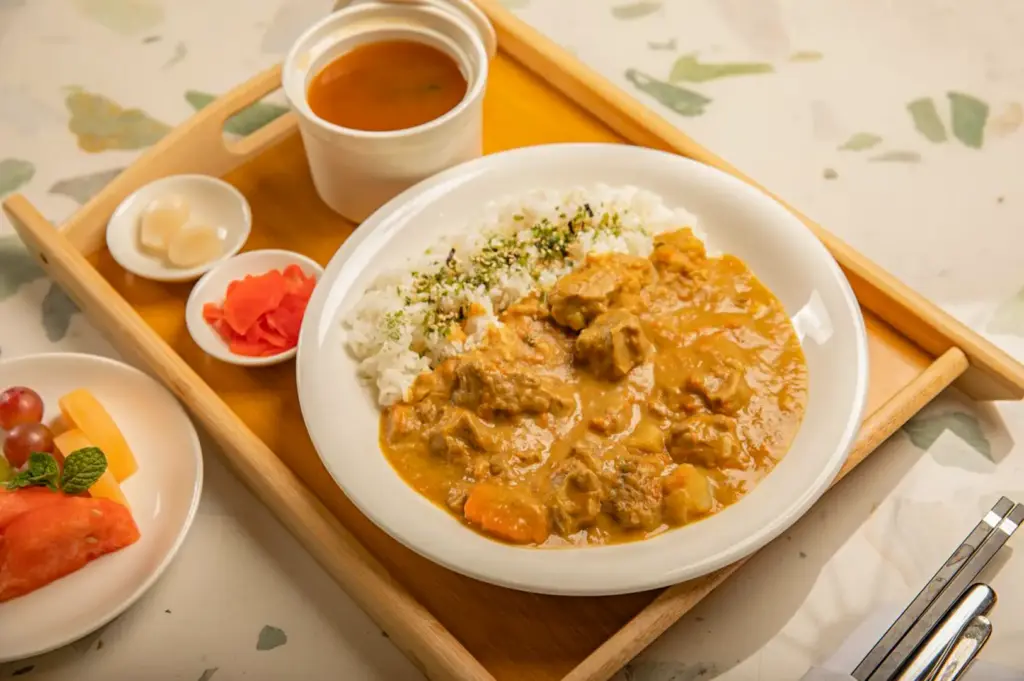
Japanese curry ingredients are refreshingly simple. A box of roux, a few root vegetables and some chicken will get you a delicious main dish for under S$20. Your first pot might be too thick or too salty. Mine was both. But each batch teaches you something new.
Start with the basics, then play with one secret ingredient at a time until the curry feels like yours. When you want more inspiration, explore our best Japanese curry recipes and restaurant guides in Singapore.
Pick up a box of curry cube on your next grocery run and give it a go this weekend.
Frequently Asked Questions About Japanese Curry Ingredients
What is katsu curry and how is it different from regular Japanese curry?
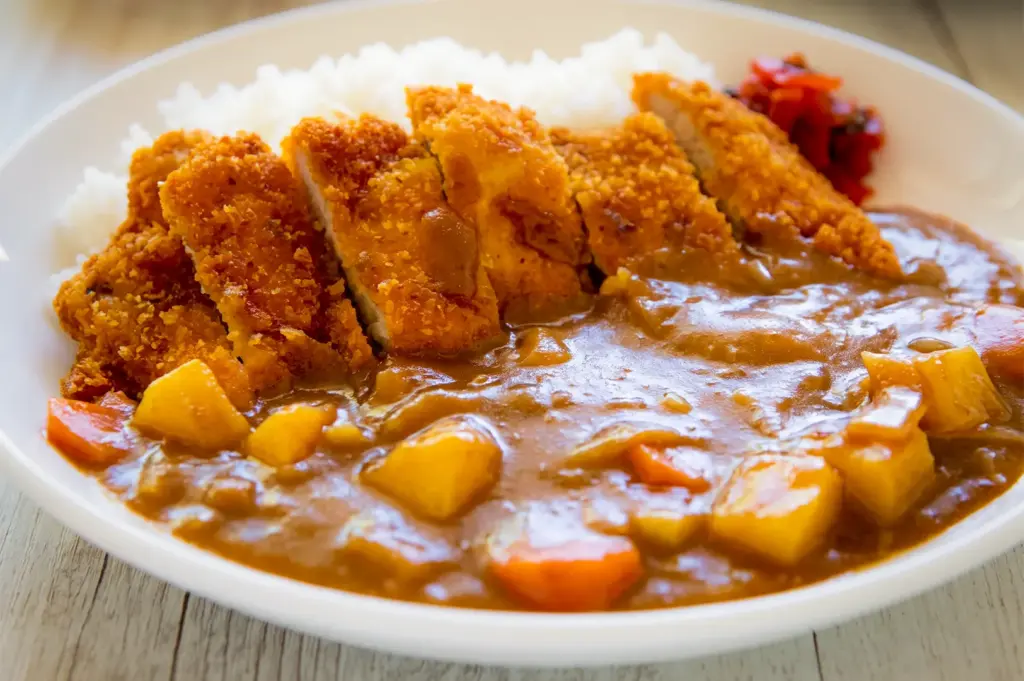
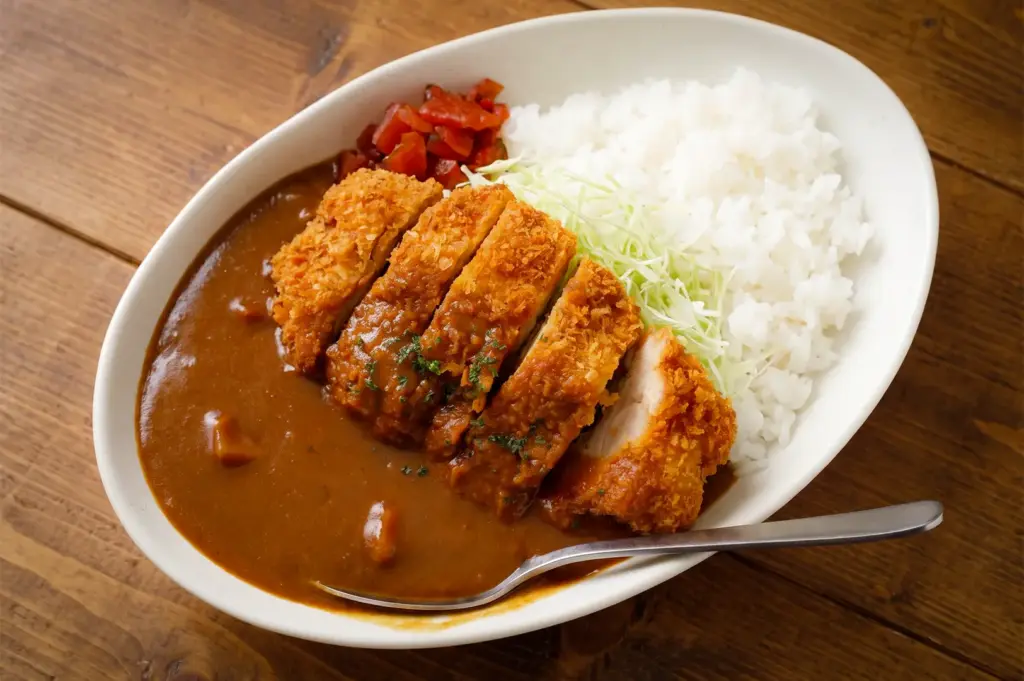
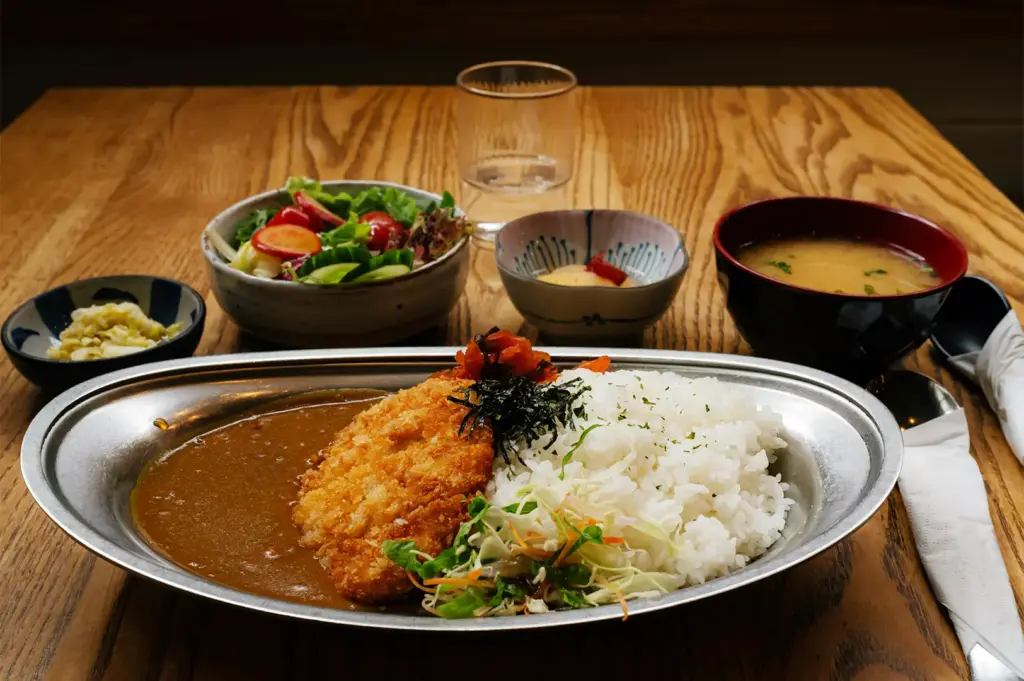
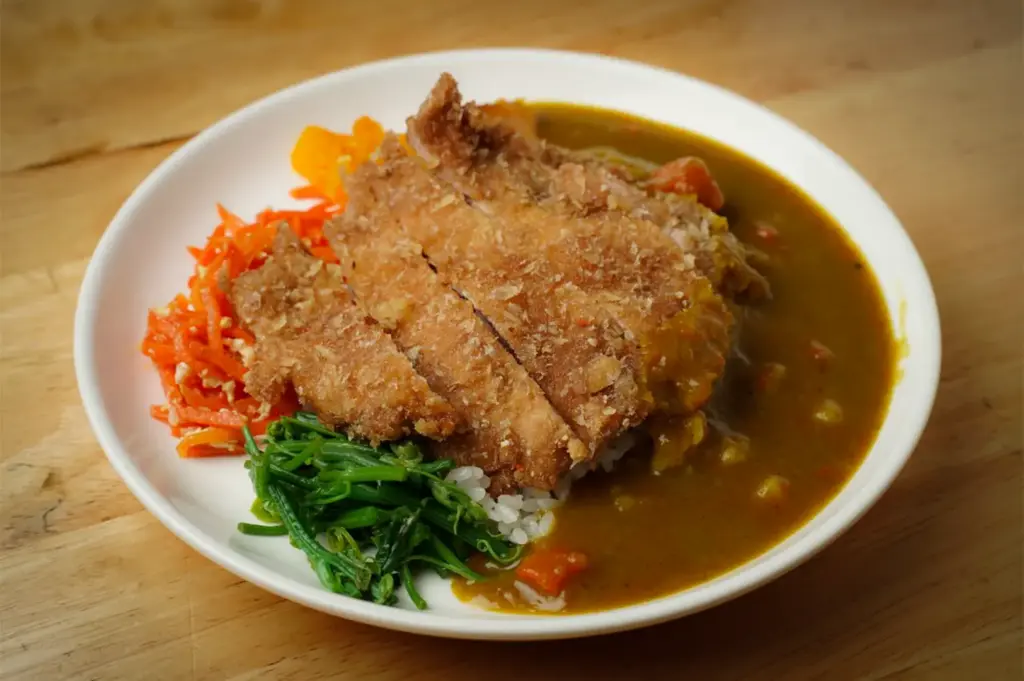
Katsu curry is a popular Japanese version of curry that includes a breaded and fried cutlet, usually pork or chicken, served on top of the curry and rice. It’s a beloved dish in Japanese restaurants and offers a hearty twist to the classic curry.
What spice level should I use when making Japanese curry?
Most curry roux blocks come in mild, medium heat, and hot heat options. For a balanced flavor that’s not too spicy, medium heat is a great choice, especially if you’re introducing Japanese curry to new eaters.
How can I make my curry sauce richer and more authentic?
Adding onion early in the cooking process and sautéing it until golden adds sweetness and depth to the curry sauce. You can also add other vegetables like potatoes and carrots, which are classic staples in Japanese curry recipes.
What are some common side dishes served with Japanese curry?
Japanese curry is often served with side dishes such as pickled vegetables like fukujinzuke or rakkyo. Curry udon, a noodle dish with curry-flavored broth, is another popular variation often found in Japanese restaurants.
Where can I find authentic Japanese curry food recipes?
Many Japanese restaurants and food blogs share authentic Japanese curry recipes. The Japan Times and other culinary publications often feature traditional and modern takes on Japanese curry, helping you explore various styles and ingredients.