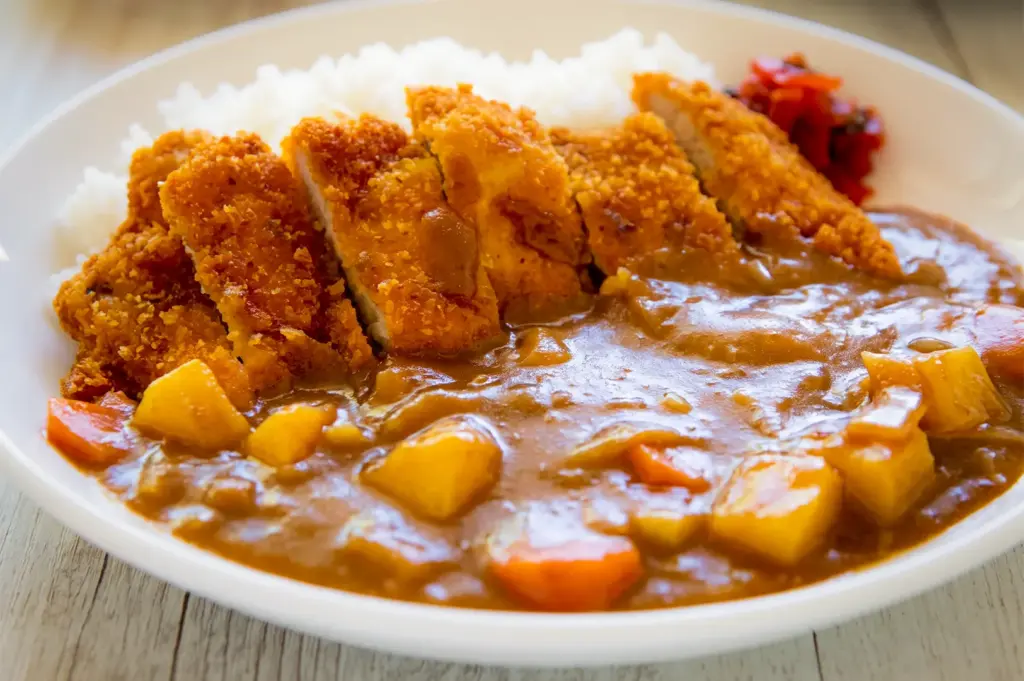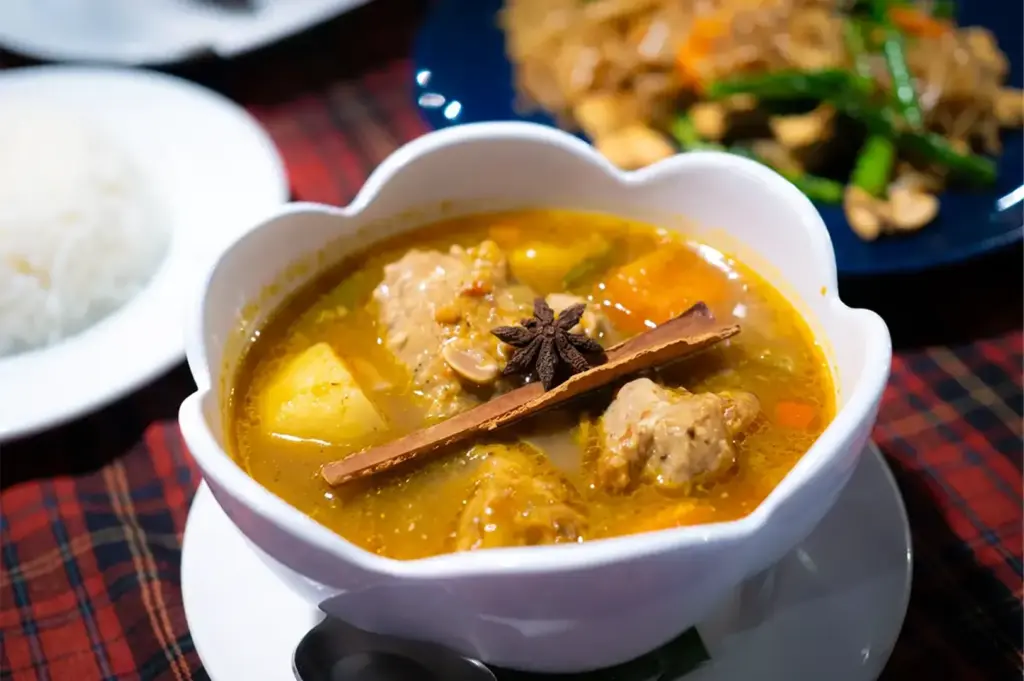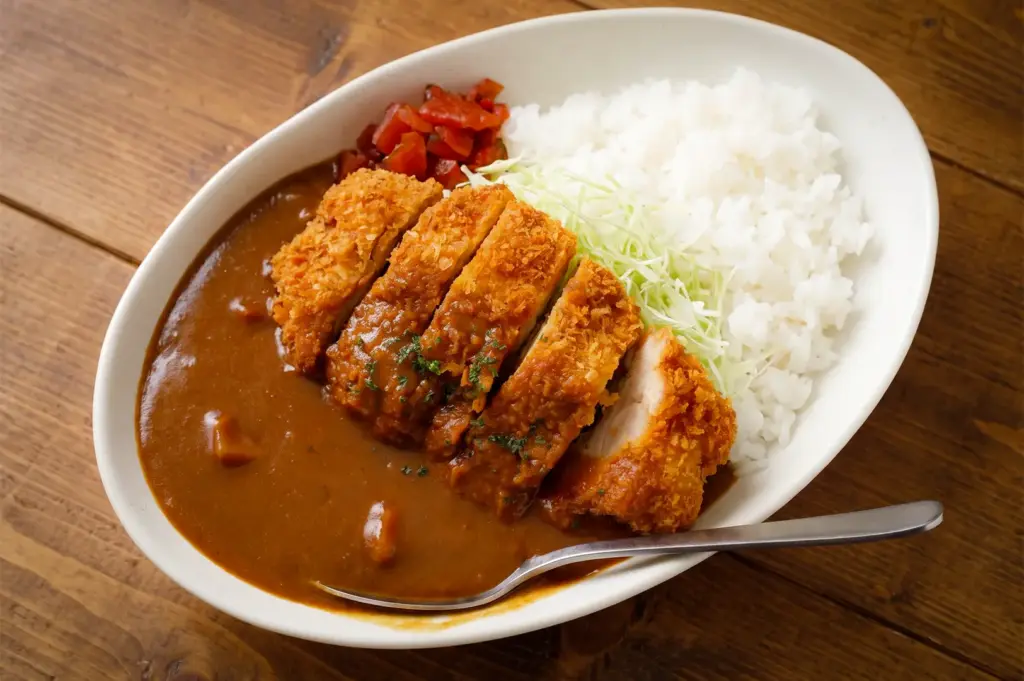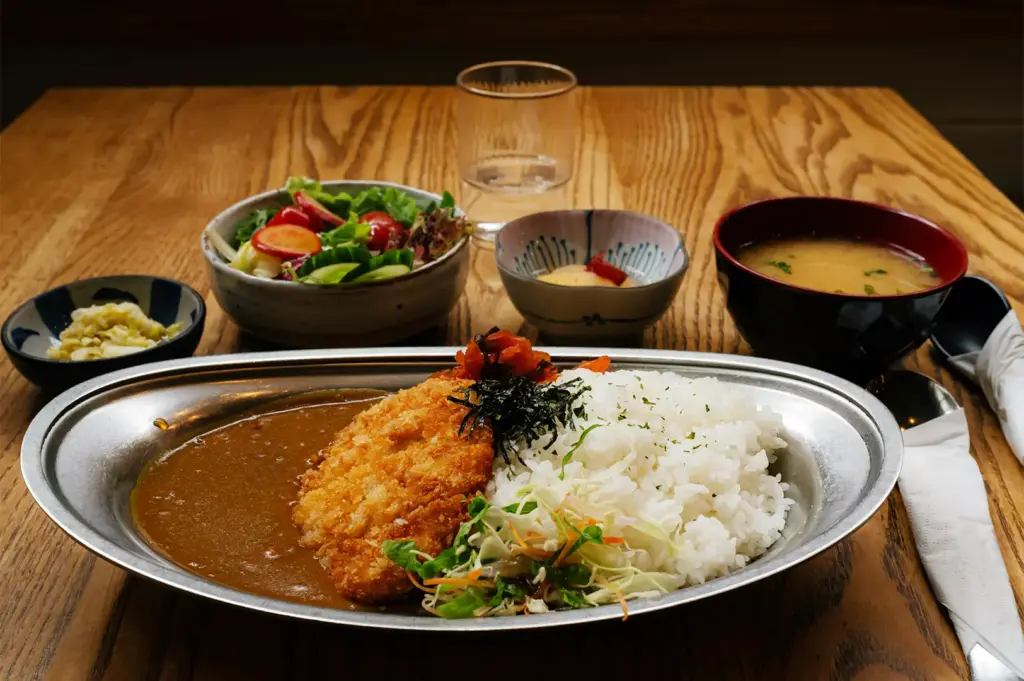
The first time I brought a friend from Penang to a Japanese curry spot in Singapore, she ordered the “hot” option with total confidence. This was someone who eats sambal belacan straight off the spoon. She took one bite, paused, and said, “Is this the hot one or the mild one?”
It was the hot one.
That moment sums up a question our team hears all the time: is Japanese curry spicy? The short answer is “usually not very.” The more useful answer is “it depends on the brand, the restaurant and how you order.” Some Japanese curry is gentle enough for a five-year-old. Some, if you push the dial far enough, will make you sweat right through your shirt.
This guide breaks down how Japanese curry heat actually works, so you can order confidently, cook at home without surprises, and find your sweet spot. That holds whether you avoid chili or chase it.
How Spicy Is Japanese Curry Compared to Local Curries?
If you grew up in Singapore, your spice baseline is probably high. Fish head curry, Malay chicken rendang, Indian mutton curry and laksa all tend to lead with chili. They often layer fresh chilies, dried chilies and chili paste together.
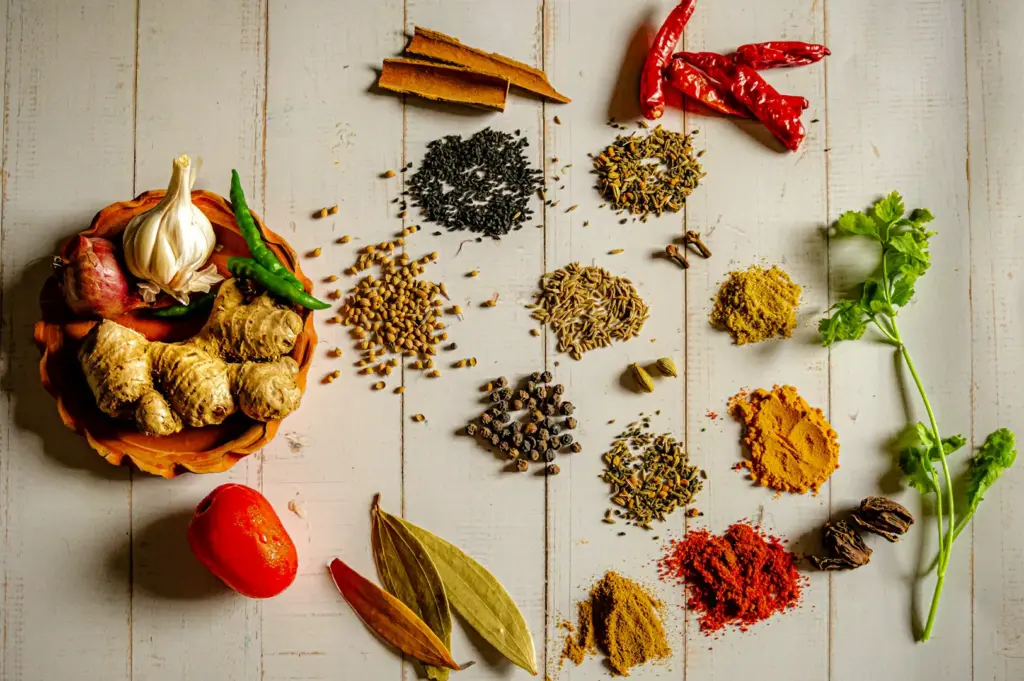
Japanese curry takes a different approach. Its flavor comes from a roux, a mix of flour, fat and curry powder, plus savory and slightly sweet notes from onions, fruit and seasonings. The spice is there, but it’s warm and rounded rather than sharp.
Here’s how I’d roughly compare them:
- Japanese curry “mild”: About as spicy as a bowl of chicken porridge with white pepper. Almost no burn.
- Japanese curry “medium hot”: A gentle tingle. Milder than most nasi lemak sambal.
- Japanese curry “hot”: Noticeable warmth that builds slowly. Still milder than a typical hawker chicken curry.
- Japanese curry “extra hot”: This is where it starts to feel like a local curry. It’s still less aggressive than a proper fish head curry.
In my experience, most Singaporeans find standard Japanese curry mild. That’s not a flaw. Japanese curry was never designed to be about heat. It’s comfort food first, with spice playing a supporting role.
Insider knowledge: Japanese curry heat tends to build slowly. Your first few spoonfuls may feel tame, but the warmth sneaks up by the middle of the plate. Don’t judge the spice level on bite one.
Understanding Store-Bought Spice Levels: Golden Curry, Vermont Curry and Java Curry
If you cook Japanese curry at home, the spice level printed on your roux box matters a lot. Most Japanese brands use a similar scale: mild, medium hot, hot and sometimes extra hot. But each brand’s “hot” isn’t quite the same.
S&B Golden Curry
Golden Curry is our team’s everyday pick. It comes in mild, medium hot, hot and extra hot, and the heat steps up fairly evenly between levels. At FairPrice, a 220 g box has been listed at around S$5.50 in each spice level, so you’re not paying extra for more kick.
I’d describe Golden Curry hot as “pleasantly warm” and extra hot as “properly spicy by Japanese standards.”
House Foods Vermont Curry
Vermont Curry is made with apple and honey, so it’s the sweetest of the big three. Even its hotter versions feel softer because the sweetness cushions the heat. I’d suggest it for kids, older relatives or anyone nervous about spice. The mild box sits around S$5.45 at FairPrice.
House Foods Java Curry
Java Curry sits at the bolder end. It has a darker, deeper flavor, and its heat feels more noticeable than Golden Curry at the same label. You’ll usually find it in medium hot and hot at stores like Don Don Donki and Meidi-Ya at Great World.
I made a mistake with this once. I grabbed a box of Java Curry hot for a family dinner, assuming it would match the Golden Curry hot I usually bought. My niece took one bite and reached for her water. My brother-in-law loved it. Lesson learned: “hot” on one brand isn’t “hot” on another.
Pro tip: If you’re cooking for a mixed group, try blending two roux boxes. Half Golden Curry mild and half Golden Curry hot gives you a gentle medium that most people enjoy. Spice lovers can add chili at the table.
What to Expect If You’re Spice-Sensitive
Good news: Japanese curry is one of the safest curry styles for you.
Many people worry that any curry will be too spicy. Here’s the deal: mild Japanese curry has almost no burn at all. It tastes savory, slightly sweet and gently aromatic. Plenty of Japanese kids eat it weekly.
If you’re curious about what gives it that gentle, rounded flavor, our guide to Japanese curry ingredients breaks down what goes into the dish.
A few tips I’d suggest:
At home, choose Vermont Curry mild or Golden Curry mild. Add a tablespoon of grated apple or a teaspoon of honey for extra softness.
At restaurants, order the regular or base spice level. At CoCo Ichibanya, simply don’t add any spice levels.
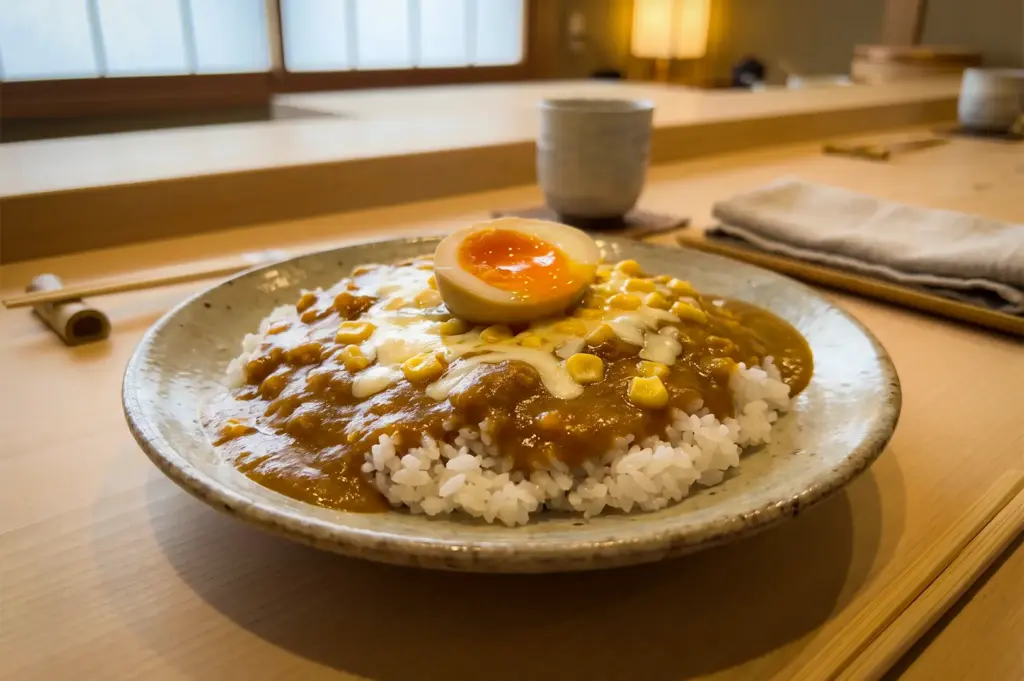
Pair with cooling sides. A soft-boiled egg, cheese topping or a side of corn helps balance any warmth.
Avoid “black curry” or “spicy” specials unless you’ve asked about the heat first.
What to Expect If You Love Spice
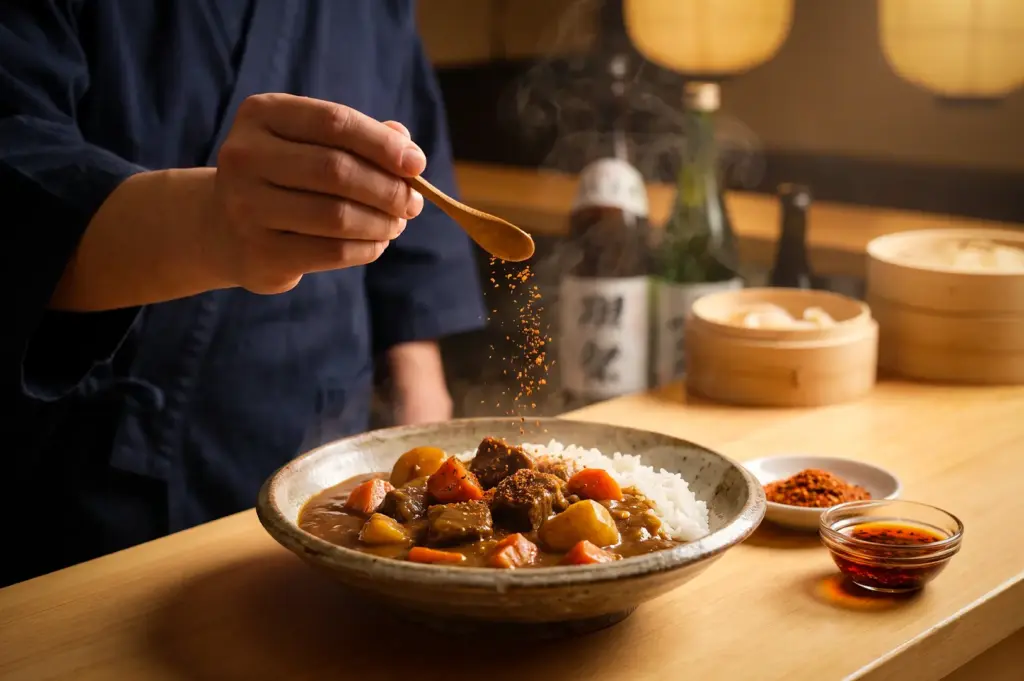
Japanese curry won’t automatically satisfy you. Out of the box, even extra hot roux may feel tame if you’re used to chili-heavy local food.
But you have options:
- At home, buy Golden Curry extra hot or Java Curry hot as your base.
- Add heat during cooking. Stir in a pinch of cayenne pepper or chili powder when you add the roux. Start with ¼ teaspoon for a family-sized pot, taste, then add more.
- Add heat at the table. Chili flakes, shichimi togarashi or a little chili oil let you customize your plate without changing the whole pot.
I prefer adding heat at the end rather than during cooking. Cayenne added early can turn slightly bitter after a long simmer, and you can’t take it back out.
How to Adjust Japanese Curry Heat at Home: Step by Step
Here’s the simple method our team uses when cooking for different spice tolerances:
- Start mild. Make the whole pot with a mild or medium hot roux. You can always add heat, but you can’t remove it.
- Taste after the sauce thickens. Spice perception changes once the roux fully melts and the curry simmers for 5–10 minutes.
- Split the pot if needed. Ladle out portions for spice-sensitive eaters first.
- Spice up the rest. Stir cayenne or chili powder into the remaining curry over low heat for 2–3 minutes.
- Offer toppings. Put chili flakes or shichimi on the table so everyone can fine-tune.
The whole adjustment adds maybe five minutes to your cooking time.
Pro tip: If your curry turns out too spicy, stir in a little milk, a spoonful of honey or some grated apple. A splash of hot water plus an extra mild roux cube also dilutes the heat without thinning the sauce.
Common Mistakes to Avoid
- Assuming “hot” means local hot. Japanese “hot” is usually mild by Singapore standards. Don’t panic, and don’t overcompensate by jumping to the highest level.
- Comparing labels across brands. Java Curry hot and Vermont Curry hot are very different experiences.
- Going too high on your first CoCo Ichibanya visit. You’ll lose the flavor. Start around level 2–3 and build up.
- Adding chili too early in long simmers. It can taste harsh or bitter. Add it near the end.
- Forgetting about kids or guests. I once served Golden Curry extra hot at a potluck without warning anyone. Half the group skipped seconds. Now I always label it or keep a mild version.
Final Thoughts
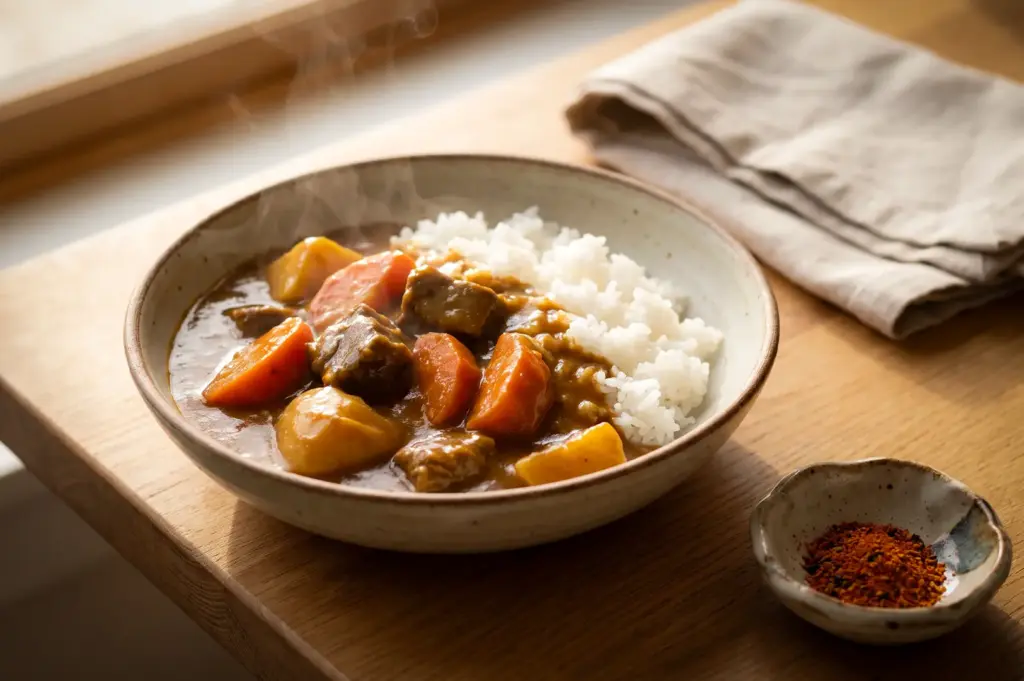
So, is Japanese curry spicy? Mostly, it’s warm and comforting rather than fiery. That’s exactly why so many people love it. And the beauty of Japanese curry is how adjustable it is. You can make it gentle enough for a toddler or hot enough to test a sambal fan, sometimes from the same pot.
My advice: start lower than you think you need, taste as you go, and move up one step at a time. Your perfect spice level is out there. It might take a few plates to find it, and that’s half the fun.
For more help discovering great plates around the island, from cozy curry counters to bold black curry spots, explore our Japanese curry guides and restaurant picks.
FAQ
Is Japanese curry spicy at all?
Mild Japanese curry has very little heat. Medium hot and hot versions add gentle warmth, and extra hot is noticeably spicy. Overall, it’s milder than most local curries.
Is Japanese curry safe for kids?
Yes, in mild form. Vermont Curry mild is especially kid-friendly thanks to its apple-and-honey sweetness.
Why does my homemade curry taste less spicy than the restaurant version?
Restaurants often add extra spice blends on top of the base sauce. At home, add cayenne or chili powder near the end to match.
Does Japanese curry get spicier as leftovers?
It can taste a little more intense the next day as the flavors meld. If you’re sensitive, reheat with a splash of water.