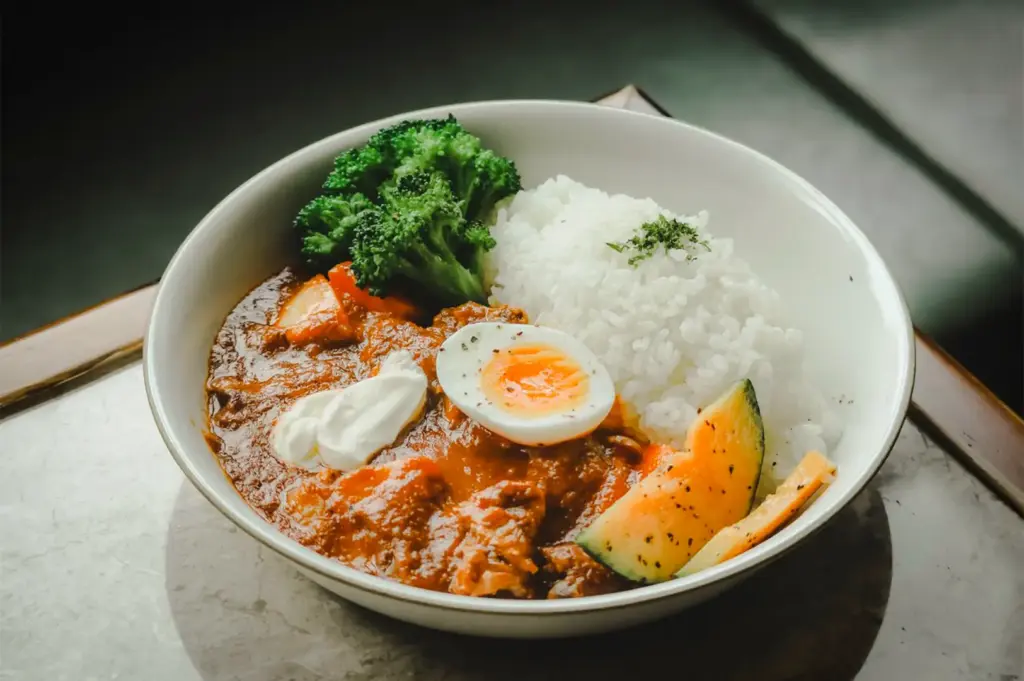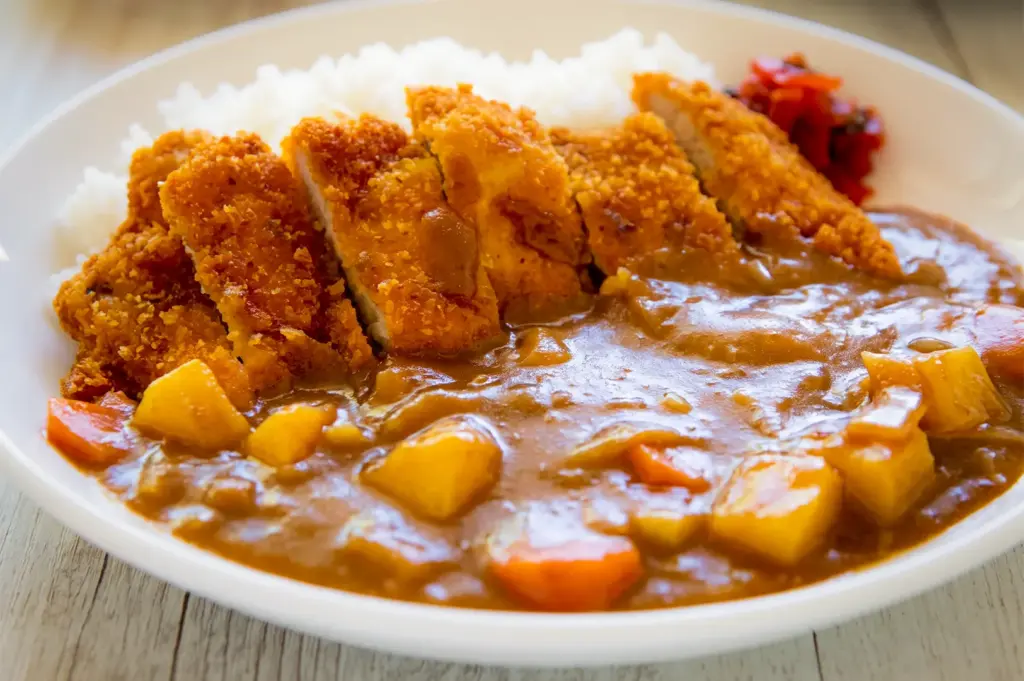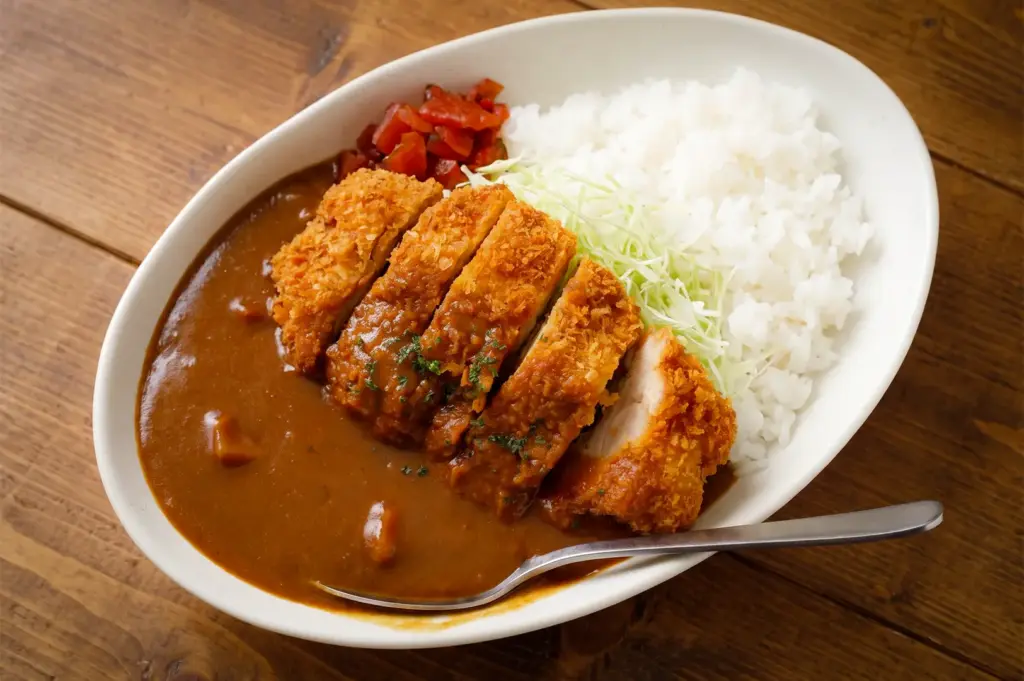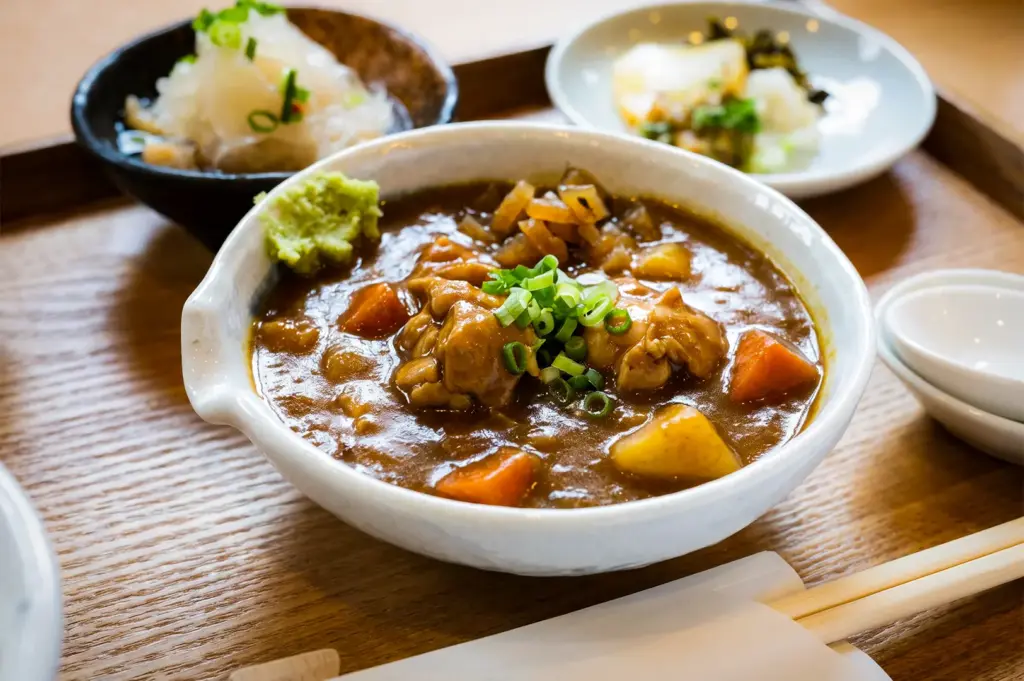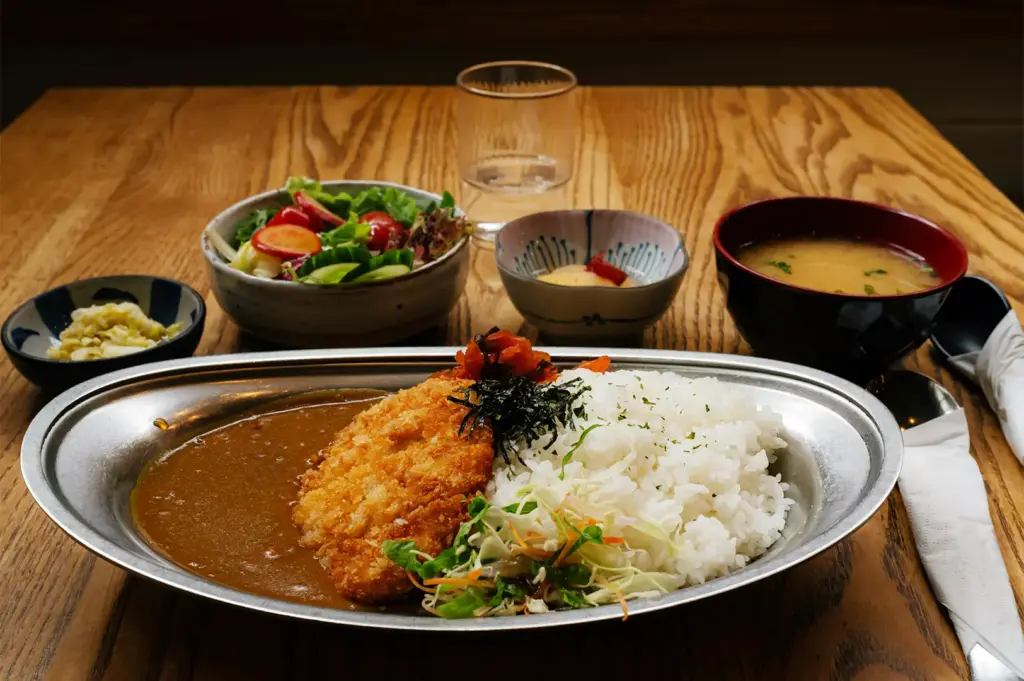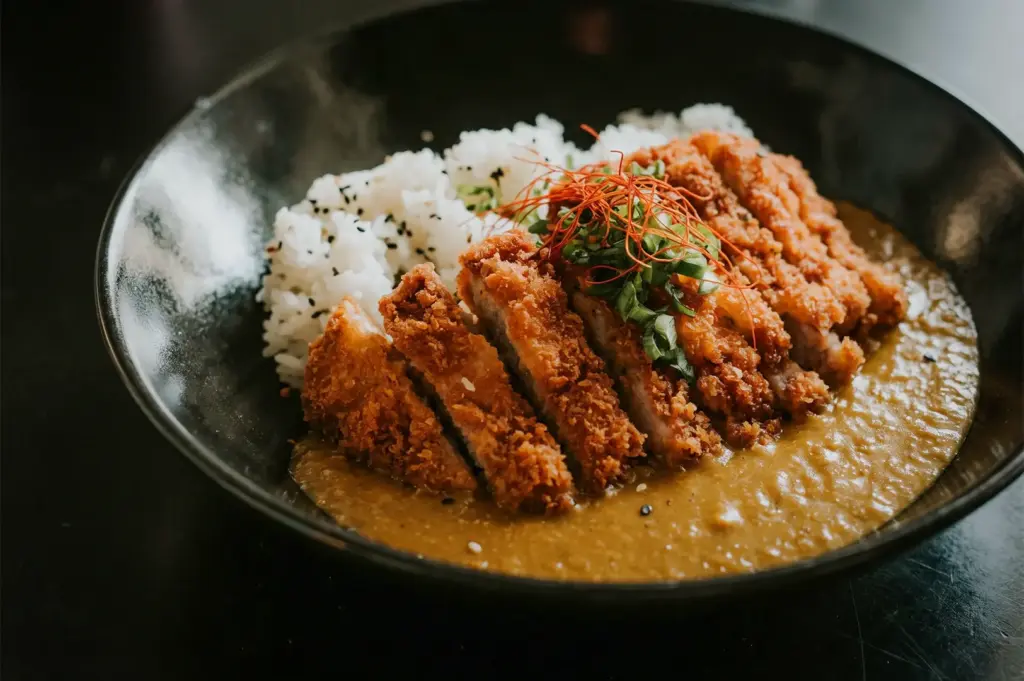
There’s something about Japanese curry that keeps me interested, no matter how many variations I come across. It isn’t always the most visually impressive dish on the menu, and it doesn’t need an elaborate presentation to get my attention. Sometimes, it’s simply a plate of rice covered in curry sauce, served with a few vegetables or a crispy cutlet on the side.
Yet, I always find something worth appreciating.
What draws me to Japanese curry isn’t just the flavor. It’s the familiarity of the dish, the different ways people prepare it, and the small experiences that come with discovering another version of something I already enjoy.
A Dish That Feels Familiar, Even When It’s Different
One thing I find interesting about Japanese curry is how recognizable it remains despite the many ways it can be prepared.
Some versions have a thick, mildly sweet sauce. Others bring more spice, deeper savory flavors, or a noticeably different texture. The toppings can also change the experience completely, whether it’s a breaded pork cutlet, tender beef, or a generous serving of vegetables.
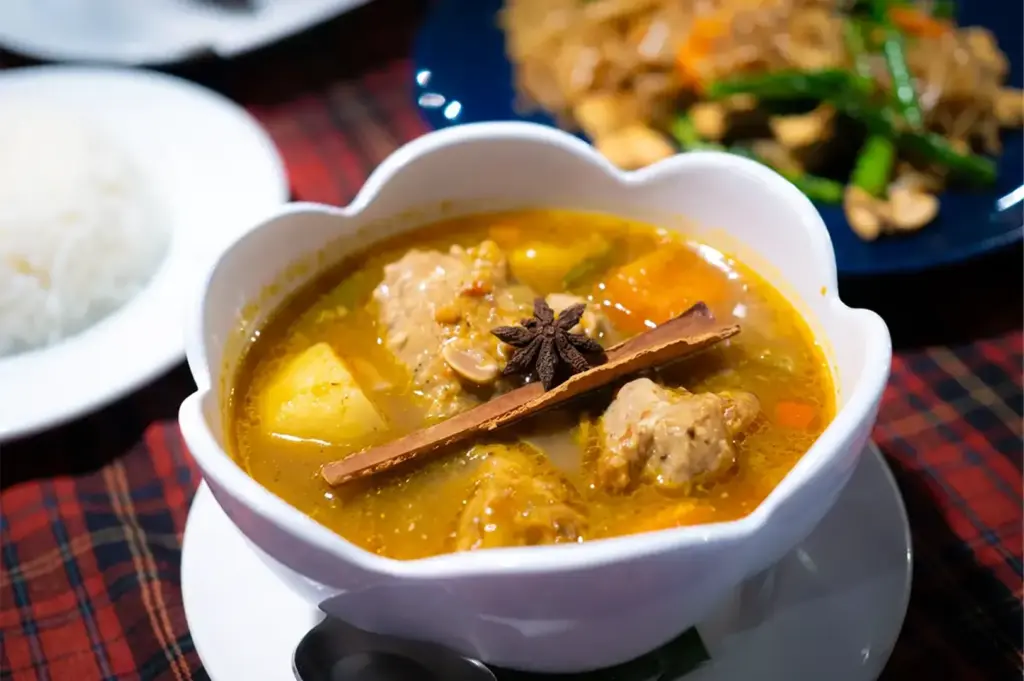
And then there are styles like Hokkaido soup curry, which offer a different experience from the familiar plate of curry rice.
I enjoy these differences because they give me something new to discover without losing the connection to Japanese curry itself.
It’s a little like returning to a familiar place and noticing something you hadn’t paid attention to before.
It’s Not Always About Finding the Best Curry
When exploring Japanese curry, it’s easy to become focused on finding the best version.
Which restaurant has the richest sauce? Which serves the crispiest katsu? Which curry has the most interesting flavor?
Those questions can be useful, especially when deciding where to eat. But I’ve come to appreciate that a memorable curry experience doesn’t always need to be about finding something better than everything else.
Sometimes, what makes a meal enjoyable is much simpler.
It might be the balance between the curry and rice, the way a cutlet complements the sauce, or the feeling of sitting down to a satisfying meal after a busy day.
I think there’s value in appreciating those ordinary moments without constantly comparing them to something else.
After all, not every meal needs to become a ranking.
The Stories Surrounding Japanese Curry
Another reason Japanese curry interests me is that there’s often more to discover beyond the food.
Every restaurant has its own approach. Some focus on familiar curry rice, while others experiment with different ingredients, spice blends, or regional influences.
Behind those choices are people who have developed their own ideas about what makes a satisfying curry.
I find that side of the experience just as interesting as the dish itself.
Why does a restaurant prepare its curry a certain way? What inspired someone to specialize in Japanese curry? How does a particular curry style reflect the place where it became popular?
These are the kinds of questions that make exploring Japanese curry enjoyable for me.
They remind me that food isn’t just something we eat. It’s also something people create, adapt, and share.
A Curiosity That Keeps Growing
The more I learn about Japanese curry, the more I realize how much there is left to discover.
There’s the familiar comfort of curry rice, the satisfying combination of katsu and curry, and the regional specialties that introduce different ingredients and approaches.
Even within Singapore, where Japanese food is widely enjoyed, different restaurants offer their own interpretations of the dish.
That variety makes Japanese curry an interesting subject to explore.
I don’t expect every curry experience to surprise me. Some meals will be straightforward, while others might introduce something unfamiliar. Both can be enjoyable in their own ways.
And perhaps that’s what I appreciate most.
Japanese curry doesn’t need to be extraordinary every time I encounter it. Sometimes, the simple pleasure of enjoying a familiar dish is enough.
For me, that’s one reason it continues to hold a special place in my heart.