Whenever I think about visiting a Japanese curry restaurant, the curry itself is naturally one of the first things that comes to mind.
I’m curious about the sauce, the toppings, and how everything comes together on the plate. But over time, I’ve also become interested in the smaller details surrounding the meal.
Things like the atmosphere of the restaurant, how the food is presented, and even the way the curry is served can influence the overall experience.
These details might seem ordinary, but I think they’re part of what makes visiting different Japanese curry restaurants enjoyable.
The First Impression Isn’t Always About the Food
Before the curry arrives, there’s already quite a bit to notice.
Some Japanese curry restaurants have a simple, practical setup. The tables are arranged for quick meals, the menu is easy to understand, and the atmosphere feels casual.
Others have a more relaxed environment, encouraging customers to take their time.
Neither approach is necessarily better.
I find it interesting how different restaurants create different dining experiences around essentially the same type of food.
A small curry shop designed for a quick lunch can be just as enjoyable as a larger restaurant with a more comfortable dining area.
What matters is how the setting fits the experience.
Sometimes, simplicity is part of the charm.
How the Curry Arrives at the Table
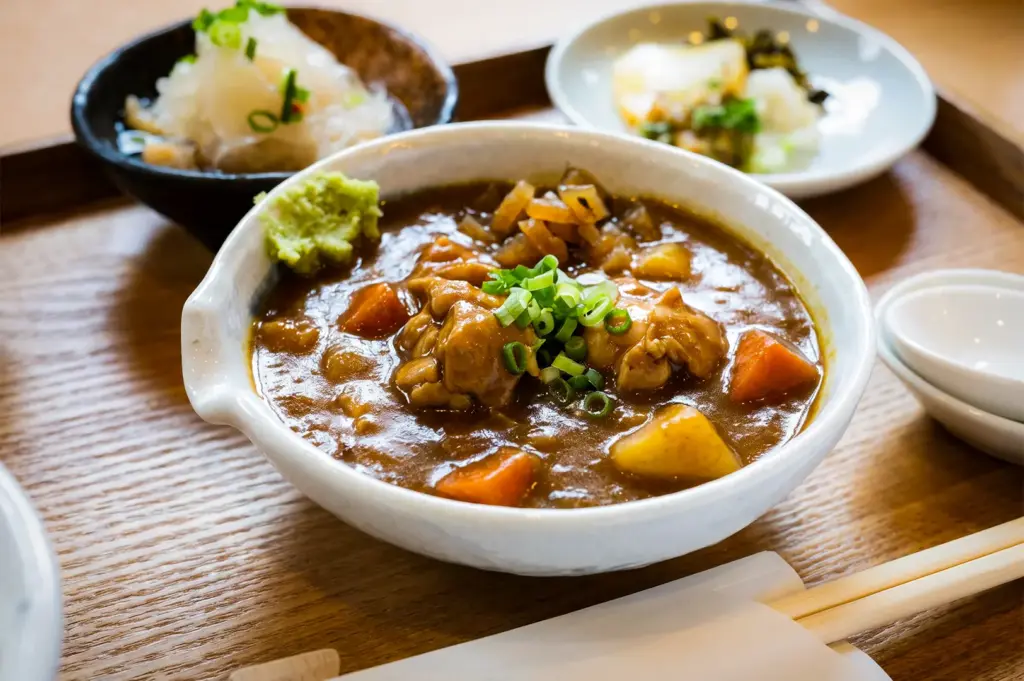
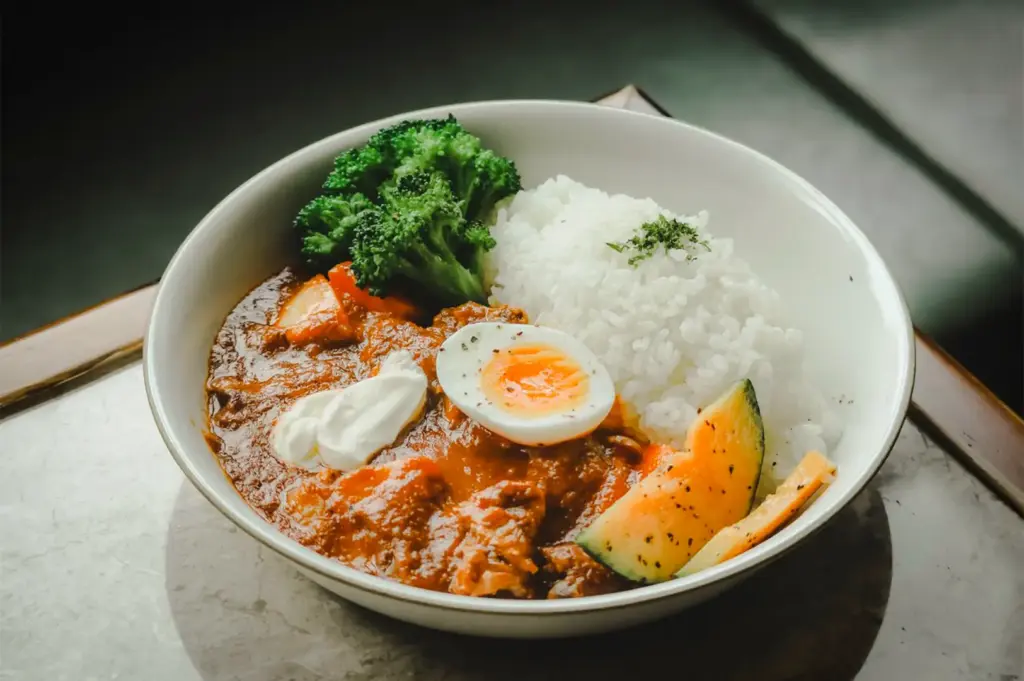
One of the little things I enjoy observing is how restaurants present their Japanese curry.
At first glance, curry rice might seem like a straightforward dish. There’s rice, curry sauce, and perhaps a topping or two.
But the arrangement can vary quite a bit.
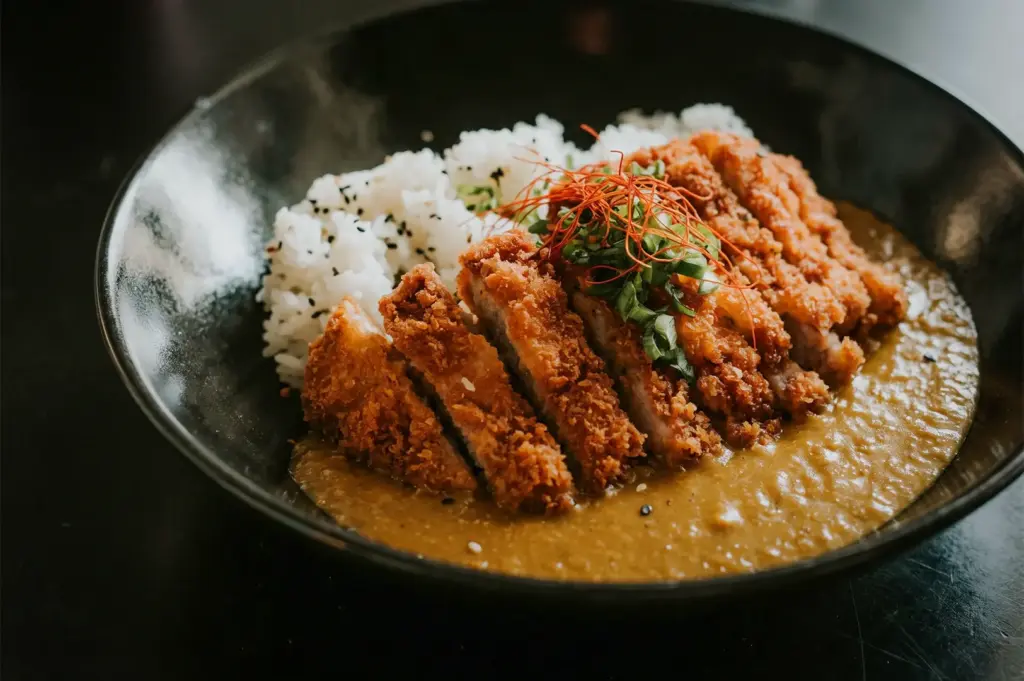
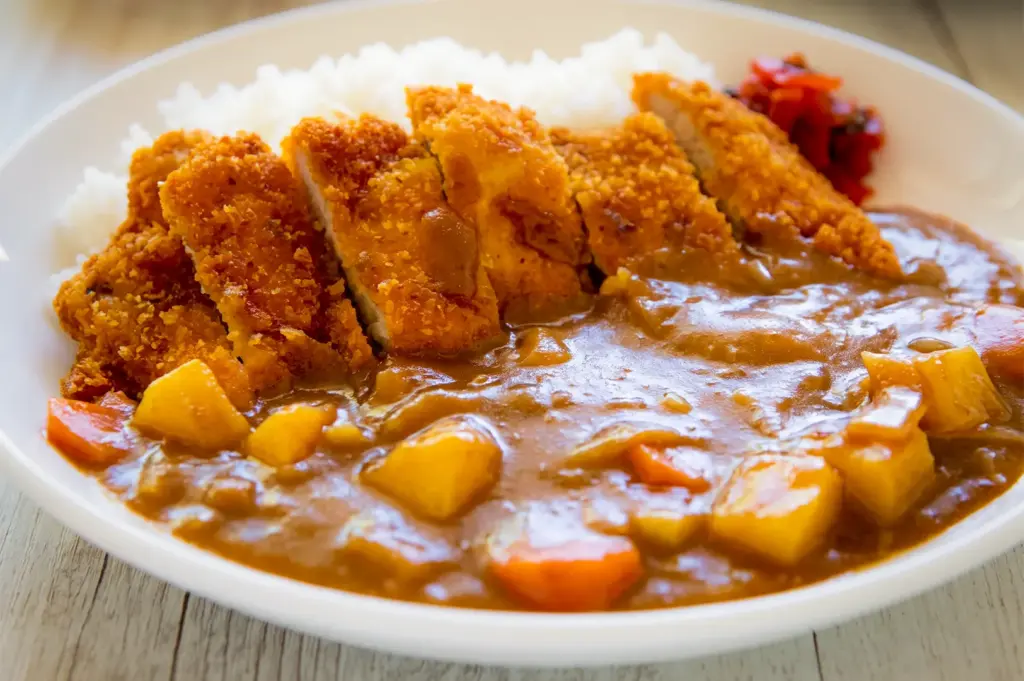
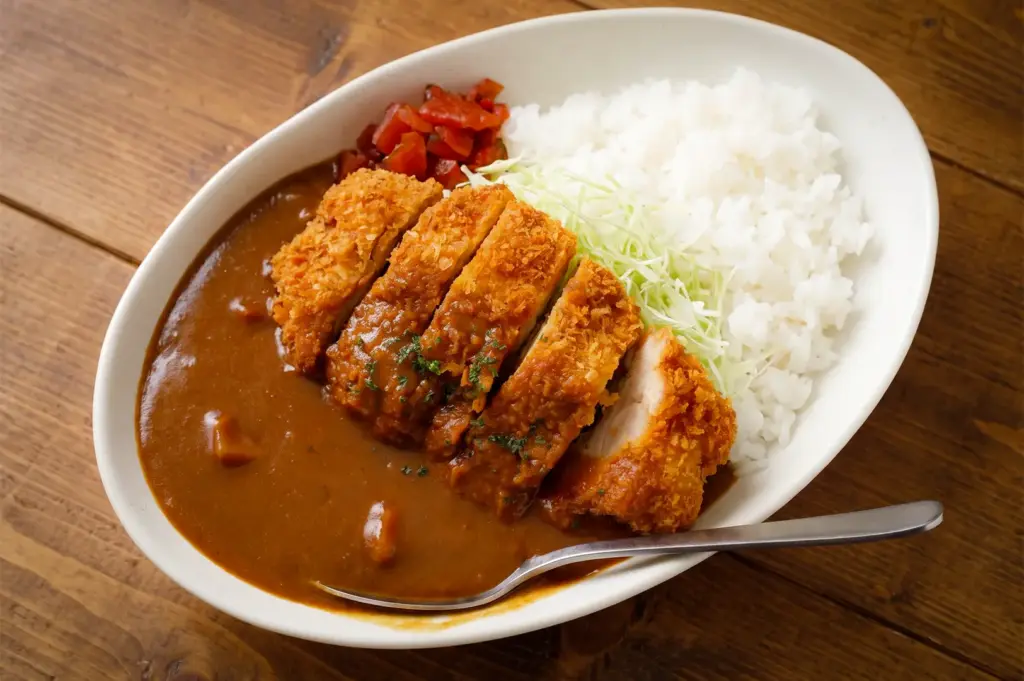
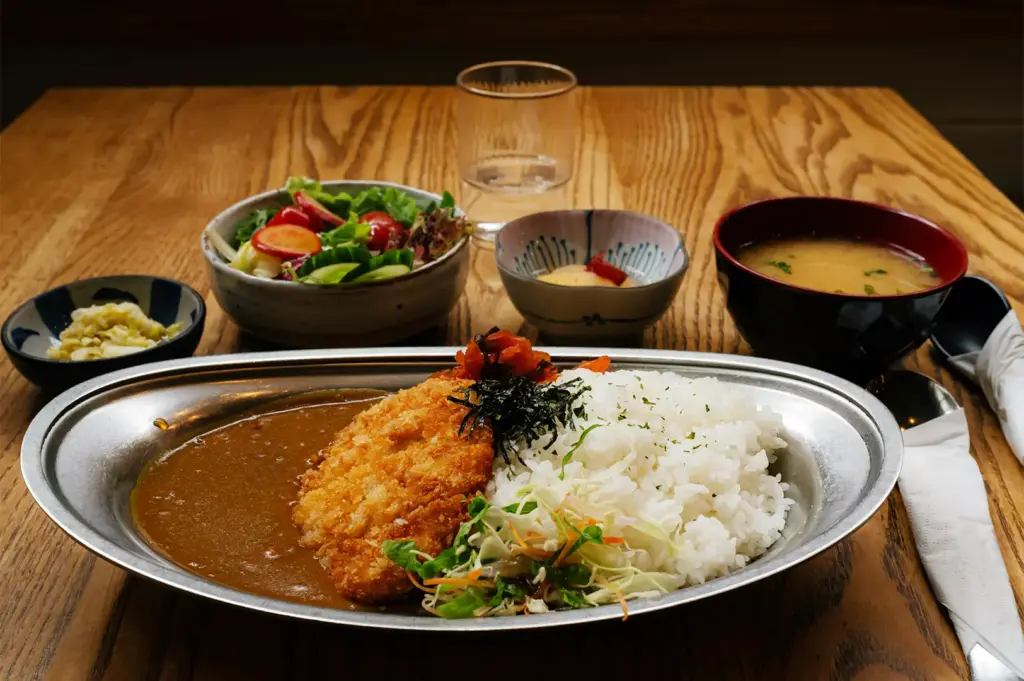
Some restaurants serve the rice neatly on one side of the plate, allowing the curry sauce to occupy the other half. Others pour the sauce over part of the rice or serve it separately.
When katsu is involved, the cutlet might be sliced and placed directly over the rice, arranged beside the curry, or positioned so that part of it remains away from the sauce.
These choices may seem minor, but they can influence how the meal is enjoyed.
For example, keeping part of a breaded cutlet away from the curry sauce can help preserve its crisp texture until you’re ready to eat it.
I like noticing these practical details because they show how even a familiar dish can be served in different ways.
The Small Details That Make Eating More Enjoyable
Beyond presentation, there are other things I tend to appreciate.
The temperature of the curry, the texture of the rice, and the balance between the sauce and toppings all contribute to the meal.
I also notice whether the curry is easy to eat.
Does the sauce coat the rice comfortably? Is there enough curry to enjoy with the toppings? Does the cutlet remain pleasant to eat once it comes into contact with the sauce?
These aren’t necessarily things I consciously evaluate with every bite.
They’re simply details that become noticeable when something works particularly well—or when something feels slightly out of balance.
I think that’s part of the enjoyment of exploring different restaurants.
You begin to recognize the small choices that shape an otherwise familiar meal.
The People and Atmosphere Around the Meal
Of course, a restaurant experience isn’t limited to what’s on the plate.
The people working there also contribute to the atmosphere.
Sometimes, it’s the straightforward efficiency of a busy lunch service. At other times, it’s the relaxed pace of a quieter dining space.
I appreciate that Japanese curry can fit comfortably into both settings.
It can be a quick meal during a busy day or something to sit down and enjoy without rushing.
I also find it interesting how restaurants develop their own personalities through everyday routines.
The way orders are taken, how dishes are served, and how the dining space is organized can tell you something about the kind of experience the restaurant wants to provide.
These observations don’t necessarily determine whether the curry is good.
But they help me understand the restaurant beyond its menu.
Remembering More Than Just the Curry
When thinking back on a dining experience, it’s often the combination of little things that makes it memorable.
A satisfying plate of curry is certainly important. But the atmosphere, presentation, and overall experience can leave an impression too.
I don’t think every Japanese curry restaurant needs to offer something unusual or distinctive.
Sometimes, a restaurant that serves a familiar dish consistently and comfortably is exactly what you’re looking for.
And that’s something I’ve come to appreciate about Japanese curry restaurants.
There’s always the possibility of discovering a new flavor or an interesting preparation, but there’s also enjoyment in noticing how different places approach the same familiar dish.
The little things might not be the reason I decide to visit a restaurant.
But they’re often part of what makes the experience worth remembering.